
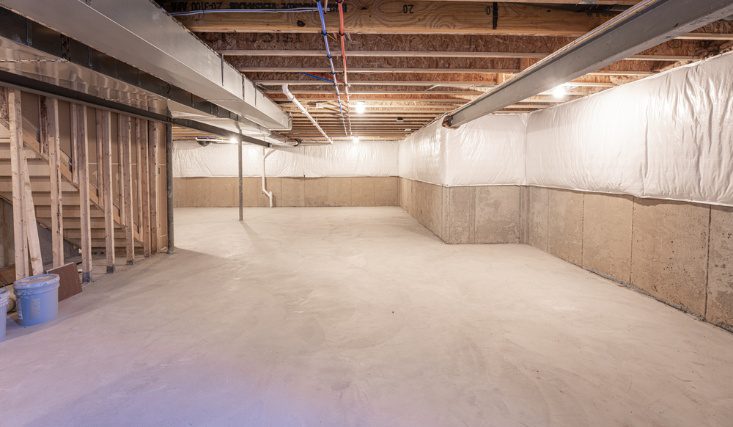
Residential basements offer additional functional space but pose complications in maintaining an energy-efficient building envelope. Prone to increased humidity levels, colder temperatures, and air leaks, basements cause adjacent living spaces to feel cool. They also increase HVAC use and result in higher energy bills. The best affordable solution is to insulate rim joists in your basement, this creates an effective thermal barrier and keeps your home comfortable year round.
This blog will show the benefits of insulating rim joints, and help you determine what insulation solution is best for your home.
What Are Rim Joists?
Rim joist (Sometimes referred to as Band Joists) is a board that sits horizontally on top of the home’s foundation, capping off the floor joists that form the frame of the floor frame. Every floor of the house should have a rim joist. Basement rim joists are the most important elements to insulate because they form a crucial boundary between the exterior of the house and the conditioned area. Basement rim joists are one of the most significant areas for air leaks and energy loss in any home.
The rim joist is a board that sits on top of the foundation and wraps around the edge of the floor, closing off the ends of the floor joists. Every home’s floor has a rim joist. In basements, the rim joist are important because it will form the boundary between the outside and your living space, making it an important area to insulate. Basement rim joists are among the most significant sources of air leaks and energy loss in any home.
What Is Rim Joist Insulation?
This insulation sits on top of the rim joist and extends up to the subfloor of the next story. It doesn’t look like much, but insulating rim joists is the best way to prevent air leaks and energy loss. The goal is to introduce a complete air barrier between the exterior environment and indoor spaces.
With the right material and professional installation, homeowners enjoy the significant benefits of rim joist insulation, including:
Comfort of Home: When rim joists are properly insulated it will get rid of cold drafts, making floors and surrounding rooms warmer in colder weather.
Lower energy use: Preventing air leaks and energy loss help keep a consistent indoor temperature while lowering the need for heating and cooling use.
Moisture protection in the Home: Insulated rim joists also control indoor humidity and moisture levels, which lowers the risk of moisture damage to wood.
The Best Insulation for Rim Joists, by Material
The first thing to do in order to choose the right right rim joist insulation that meets you and your home’s needs is to choose an insulation that has the best R-value for your climate. Usually, the insulation you use for rim joists should match the R-value of your above-grade exterior walls. We have a handy guide to R-values that’s worth checking out.
Spray Foam – Rim Joist
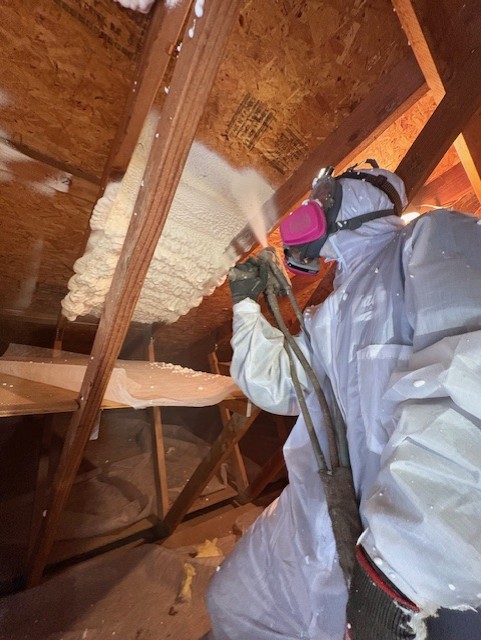
Using closed-cell spray foam is the best way to insulate rim joists due to the material’s high R-value, rigidity, and density. Spray foam will expand to seal up gaps while adding structural support that strengthens your house. Spray foam insulation should always be installed by a professional for safety and to ensure you get the maximum amount of benefits out of your insulation project.
Read More: Open-Cell vs. Closed-Cell Spray Foam: What’s the Difference?
Foam Board Rim Joist Insulation
Rigid foam board is made from extruded polystyrene (XPS) or polyisocyanurate (Polysio), which is a lower cost material option that lots of home improvement brick and mortar stores sell. Insulating rim joists with foam board may be a more affordable option than spray foam and has better moisture resistance, but it is crucial it is professionally installed. Because installation requires precise cutting and sealing to ensure the barrier is airtight.
Fiberglass Rim Joist Installation
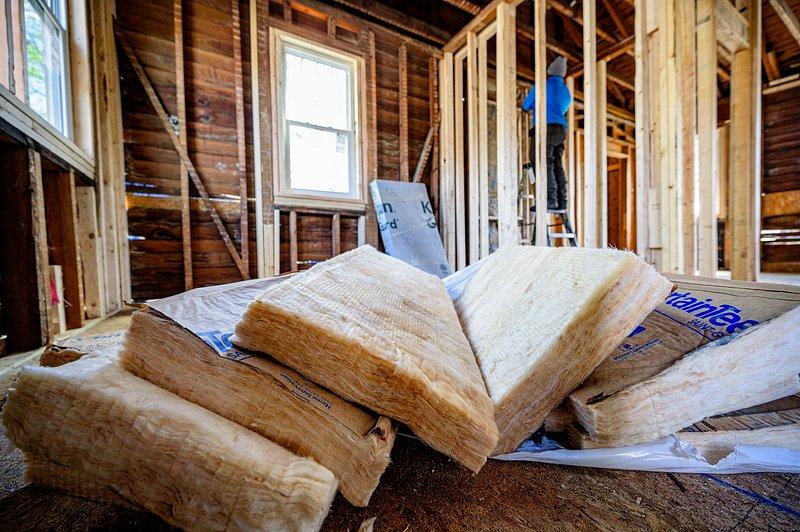
Fiberglass, also known as batt rim joist insulation, isn’t a great option for basements or any area with high moisture levels. All fiberglass batt materials are prone to condensation and moisture damage, especially during the winter. Over time, this leads to wood rot and structural damage to the home. Fiberglass doesn’t provide an effective air seal to prevent leaks, causing cold drafts even if the material has a high R-value.
Is There a Benefit of Insulating Rim Joist from the Outside?
Insulating rim joists from the outside during an extensive renovation or remodel is a great option, but it’s impractical if you’re not planning significant work in the near future. Installing exterior rim joist insulation requires the complete or partial removal of siding and other cladding before applying rigid foam board. Interior installation is much more common because it’s less disruptive and less expensive.
Do I Need a Permit to Re-Insulate My Rim Joists?
In most cases, insulation is considered an “ordinary repair” that doesn’t require a permit. However, requirements vary based on local ordinances. We strongly recommend checking your local city or county building code office or asking your local Koala Insulation contractor about rim joist insulation near you.
Is Rim Joist Insulation Worth It: the bottom line?
Homeowners will see a varying change in energy and comfort improvements depending on three major things: The age of the home, existing insulation materials, and the local climate.
Households in colder climates notice significant savings from this home improvement. You can expect to pay back rim joist insulation costs in a few years, especially with the help of federal, state, or utility energy efficiency rebates.
Insulate Rim Joists and Save With Koala Insulation
From a friendly, free estimate to selecting the right rigid board or spray foam insulation for rim joists, you can always count on Koala Insulation. Here at Koala Insulation we pride ourselves on bringing local expertise and national qualifications to every project, promising insulation that has lasting results. We’re proud to help energy-conscious homeowners meet their environmental goals and lower energy costs with comprehensive insulation services. Find a Koala Insulation location near you to schedule a free estimate today!
Related
Articles
Find Your Location



Get a quote