
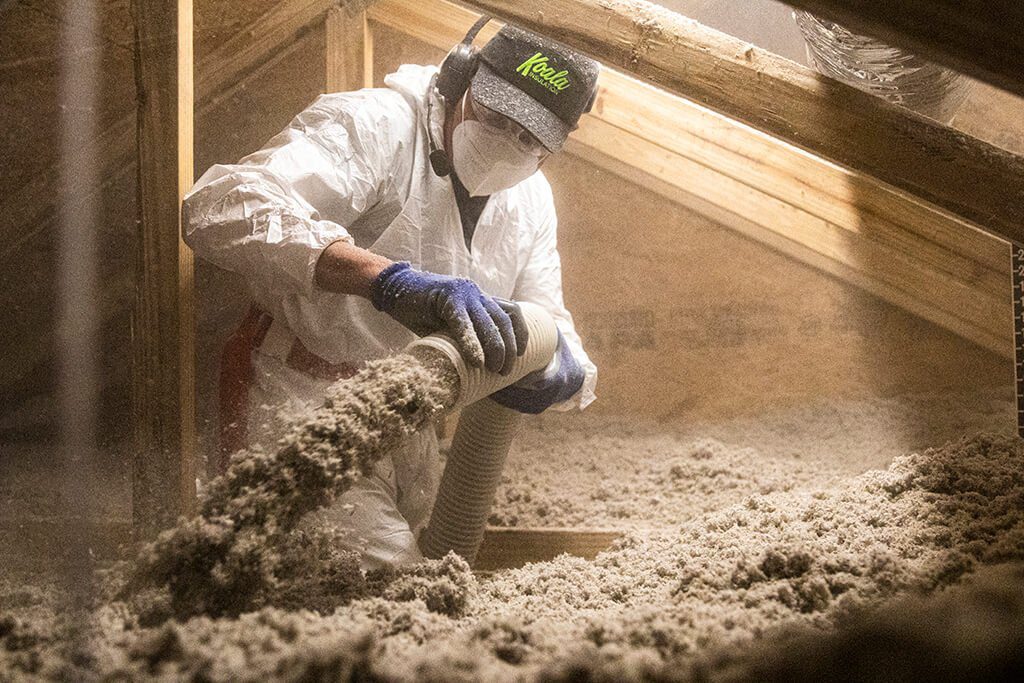
Cellulose insulation is rapidly becoming one of the most popular and effective home insulation solutions for homeowners across the United States. Made primarily from recycled materials and engineered to deliver excellent thermal and acoustic performance, cellulose is both eco‑friendly and high‑performing, making it a top choice for energy‑savvy homeowners.
In this comprehensive guide, we’ll explore everything you need to know about cellulose insulation, including how it works, the benefits, key considerations, installation insights, and why working with professionals like Koala Insulation can make all the difference in comfort and efficiency.
What Is Cellulose Insulation?
Cellulose insulation consists of densely packed recycled paper fibers, often sourced from post‑consumer newspaper and treated with fire retardants for safety. Its dense, loose‑fill nature allows it to insulate spaces with minimal gaps, maximizing thermal performance and reducing energy loss year‑round.
Top Benefits of Cellulose Insulation
- Eco‑Friendly & Sustainable
- Cellulose insulation stands out because of its high recycled content (often 75–85%), making it one of the most environmentally responsible insulation options available. Its manufacturing process also tends to require less energy than other materials like fiberglass.
- Excellent Thermal Performance
- Cellulose packs tightly into cavities and attics, forming a strong thermal barrier that reduces heat transfer and helps maintain consistent indoor temperatures. Typical R‑values range roughly R‑3.1 to R‑3.8 per inch, making it comparable to or better than many common insulation types.
- Superior Sound Dampening
- Because of its density, cellulose insulation helps absorb sound and reduce noise transmission between rooms and from outdoors, creating a noticeably quieter home.
- Fire Resistance
- Cellulose is treated with fire‑retardant additives that significantly slow the spread of flame and meet stringent safety classifications.
- Enhanced Comfort & Lower Bills
- The insulation’s ability to limit thermal bridging and air movement helps reduce heating and cooling costs, enhancing overall home comfort.
- Considerations Before Choosing Cellulose
- While cellulose has many advantages, understanding its limitations helps homeowners make informed decisions:
Settling Over Time
Over the years, loose‑fill cellulose may settle slightly, potentially reducing its effectiveness in some areas. Proper installation by a professional can minimize settling and maintain performance.
Moisture Sensitivity
Cellulose is more susceptible to moisture absorption than some other insulation types. Without proper vapor barriers or ventilation, moisture can reduce effectiveness.
Installation Dust
During installation, cellulose can generate dust, which is normal, but a professional application ensures proper handling and clean‑up to protect indoor air quality.
How Cellulose Insulation Is Installed
Professional installation is critical for maximizing cellulose performance. Typically, the process involves:
-
Home Assessment & Air Sealing
Technicians evaluate the home for existing insulation gaps and seal areas with exposed wiring, vents, and fixtures before insulation. -
Blown‑In or Dense Pack Application
Cellulose insulation is applied with specialized equipment to ensure even coverage, whether in attics, walls, or tight cavities. -
Final Inspection & Adjustment
After installation, the team checks coverage depth and density to ensure thermal performance goals are met throughout.
This method ensures uniform insulation without leaving voids, a key advantage over traditional batt insulation.
Cellulose vs. Other Insulation Types
When comparing cellulose to alternatives, the choice often depends on priorities:
| Feature | Cellulose | Fiberglass | Spray Foam |
|---|---|---|---|
| R‑Value | Medium‑high (effective) | Lower per inch | Highest |
| Eco‑Friendliness | ⭐⭐⭐⭐ | ⭐⭐ | ⭐⭐ |
| Moisture Resistance | Lower | Higher | Very High |
| Sound Dampening | Excellent | Moderate | Moderate |
| Cost | Moderate | Lower | Highest |
Cellulose’s ability to fill irregular spaces and lower improper airflow often gives it an edge over other insulation like fiberglass, especially in retrofits where attic or wall spaces have gaps that some batts can not reach.
Why Choose Koala Insulation for Your Project
At Koala Insulation, we bring:
- Expert Installation: The Koala team uses proven techniques to maximize your insulation’s performance.
- Customized Solutions: We customize our insulation plans based on your home’s unique layout and needs.
- Commitment to Quality: From the first assessment to post‑installation inspection, we ensure your investment delivers the comfort and energy savings your home needs.
Properly installed cellulose can drastically improve your home’s energy efficiency and comfort. The Koala team is here to help you every step of the way.
Final Takeaway
Cellulose insulation is a highly sustainable, versatile, and high‑performaning solution for homeowners who are looking to lower energy bills, improve comfort, and make a more eco-friendly choice. With the correct installation and understanding of its benefits and limitations, it still remains a top choice for home insulation.
Related
Articles
The Top Insulation for Keeping Heat Out in Hot Climates
Addressing Spray Foam Insulation Safety

How to Choose the Best Vapor Barrier Material
Find Your Location



Get a quote