

When insulation is paired with the right vapor barrier, it can improve your home’s comfort and be a great investment to your home’s value and efficiency. There are many different types of vapor barriers, each having its own positives and negatives. Whether you’re replacing flooring, remodeling, or re-insulating your walls or basement, choosing the right vapor barrier material makes all the difference.
What Is a Vapor Barrier?
A Vapor barrier, or moisture barrier, is a liner installed on the inside of insulation (typically toward the living space) to prevent moisture from getting through walls, floors, or ceilings. There are multiple different types of vapor barrier materials all having a different thickness. They are all designed to maximize the efficiency of your insulation and prevent moisture damage to the building’s structure.
When Vapor barriers are installed it usually consists of removing and installing new insulation, often as part of a flooring, remodel, or renovation project.
Types of Vapor Barrier
There are several ways to categorize vapor retarders, as they’re also known, based on the material they’re made from and their most common applications. Most construction and insulation contractor professionals categorize these materials by their permeance rating, or perm rating. This indicates how much moisture the material allows through.
Impermeable (Class I): Known as “true” vapor barriers because they virtually eliminate moisture transfer. The most common Class I vapor retarders are:
- Polyethylene sheeting: The affordable vapor barrier, plastic-based polyethylene is frequently used in exterior walls, concrete slabs, and crawls spaces. You’ll find more polyethylene sheeting sold in 6mm thicknesses.
- Aluminum foil: The go-to vapor barrier for unfaced insulation, foil is highly moisture restrictive.
- Glass and sheet metal: More commonly used as commercial vapor barriers, sheet metal and glass are longer-lasting, and more expensive, options.
Impermeable (Class II): Rated from 0.1 to 1 perms, Class II vapor barriers allow some moisture to pass through. This allows the insulation assembly to dry out. Exterior-grade plywood is considered Class II, but there are more commonly used materials, including:
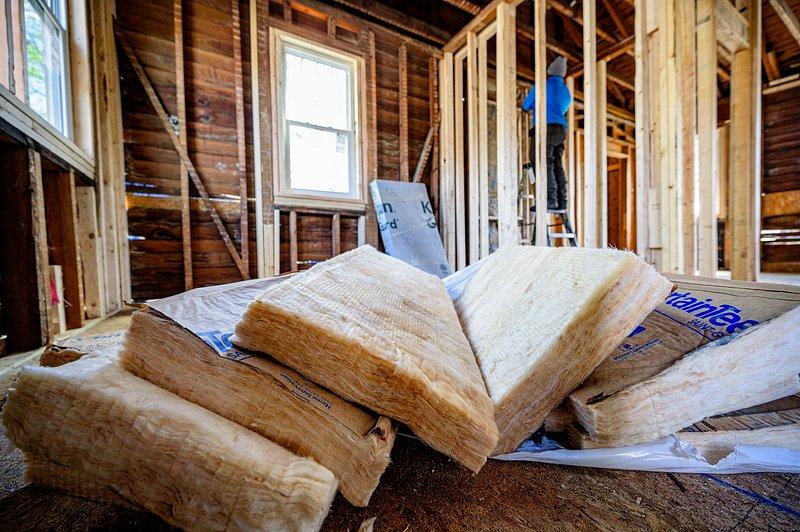
- Kraft-faced insulation: The often built-in vapor barrier for fiberglass insulation, kraft paper is strong, durable, and coated with either asphalt or bitumen. As moisture levels increase, kraft paper’s permeably increases, allowing more moisture to diffuse and the structure to dry out. Because it is almost always installed to fiberglass batt sheets or rolls, it’s easy to install and its cost is built into the cost of the insulation itself.
- Asphalt-coated paper: A thicker, 30-pound weight paper typically sold separately from insulation, asphalt-paper is used primarily as roofing underlayment. It was previously used in exterior walls, although more modern house wraps have made this much less common.
Where Do I Need a Vapor Barrier?
Depending on where you live vapor barriers are required by most local building codes in attics, basements, and exterior walls. However, air sealing is a more cost-effective option, and while it won’t completely prevent moisture penetration, it’s the smart place to start.
Attic
Adding a moisture barrier to attics reduces the amount of moisture diffusion through the building assembly to prevent condensation. Over time, elevated moisture leads to rot, mold, and damages your insulation.
Your local Koala Insulation contractor will provide expert recommendations, but here’s how snapshot on putting up a vapor barrier in your attic by climate.
- Cold climate: Install a Class I or II vapor barrier on the warm side of the building assembly (think a 6mm poly sheet or batt insulation with kraft-paper facing.
- Hot/humid climate: Install a Class II vapor barrier on the outside of the building assembly, and only in the basement or crawl space. You rarely need a vapor barrier on ceilings in humid climates, because it would trap too much moisture.
For more details on installing a vapor barrier in attics, contact your local Koala Insulation contractor.
Basement
Paired with proactive dehumidification, we recommend vapor barriers for basement floors to prevent moisture from damaging finished materials, including your insulation and drywall.
Basements in both cold and hot climates benefit from Class I vapor barriers, though with one crucial difference.
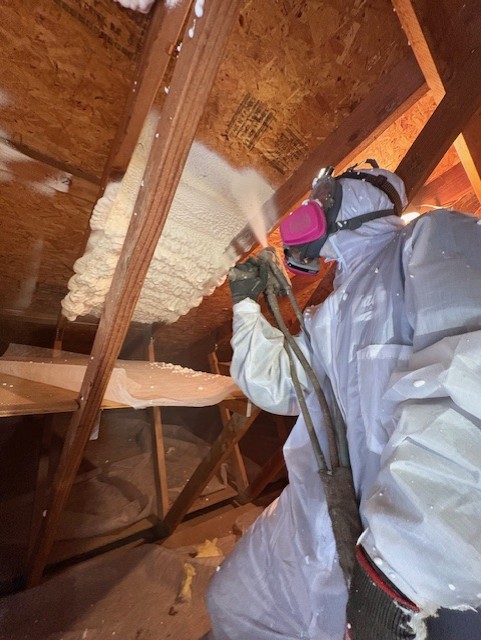
- In cold climates, install rigid foam board (XPS) or closed-cell spray foam on the inside of basement walls. These serve as vapor barriers allow almost no moisture diffusion. Choose a 10mm or 15mm poly sheet vapor barrier for concrete basement floors.
- In hot climates, install a Class I moisture barrier on the floor only. Many homes in hot and humid regions do not have a vapor barrier on basement walls or above-grade exterior walls.
In both cases, poly sheeting is considered the best vapor barrier for concrete floors and slabs.
Crawlspace
Crawlspaces are inherently high-moisture environments, which is why complete crawlspace encapsulation is a smart option for many homeowners. In most climates, we recommend a single sheet of 10mm of 15mm poly sheeting as the ideal vapor barrier for crawlspaces.
Crawlspace Encapsulation vs. Vapor Barrier: What’s the Difference?
Crawl space encapsulation is a complete system that seals the entire space, sealing off foundation vents and covering the floor, foundation walls, and underside of the living space. Encapsulation also requires a dehumidifier and a sump pump, increasing upfront costs, but delivering superior long-term results.
If you’re looking for a crawl space vapor barrier, get an estimate to see if encapsulation is the better option.
Exterior Wall
Vapor barriers for exterior walls help insulation retain indoor humidity during the cooling season and prevent outdoor moisture from entering.
- In colder climates, install a non-breathable vapor barrier, such as kraft-faced batt insulation or poly sheeting, on the inside of the building assembly.
- In hot and humid climates, use a breathable vapor barrier for walls with a perm rating between 5 and 10. This will allow moisture to escape, allowing the assembly to dry out.
Do You Really Need a Vapor Barrier on Exterior Walls in a Hot Climate?
Yes, a vapor barrier helps keep moisture in the air from reaching your insulation and causing condensation. If insulation gets wet, it loses efficiency and can even lead to structural damage. By preventing moisture buildup, you also save energy, which can lower your energy bills.
Vapor Barriers for Floors
The best time to install moisture barriers and insulation is when replacing flooring. Vapor barriers protect your finished flooring and sub-flooring from water damage, however not all flooring types require it. In most cases, you will need a dedicated moisture barrier between a concrete subfloor and these materials:
- Engineered hardwood floors
- Hardwood floors
- Laminate floors
- Vinyl floors
With wood subfloors (like plywood) you may not need a vapor barrier, but always check your flooring manufacturer’s instructions. Flooring vapor barriers include poly sheeting, rigid foam board, and other specialized materials for tiles.
Find the Right Vapor Barrier for Your Project
Koala Insulation makes it easy to protect your home from the elements. Our teams have the training and tools to assess your home, create a plan, and install an insulation upgrade that’s both effective and cost-efficient taking climate factors like humidity into account. With Koala Insulation, you get local expertise from friendly and professional contractors.
Ready to get started? Find a location near you today!
Related
Articles
Find Your Location



Get a quote