

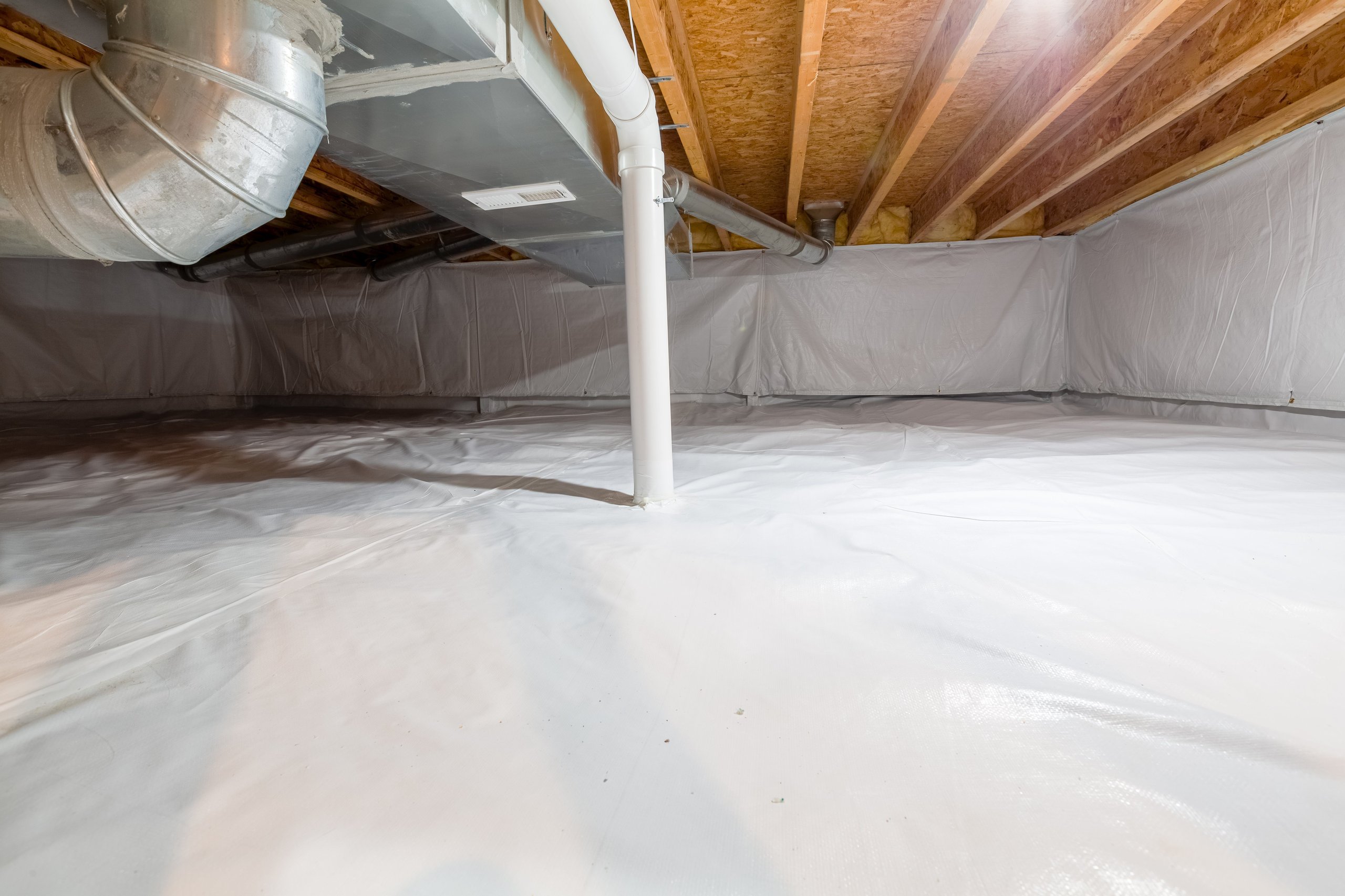
The Advantages of Crawl Space Encapsulation for Boulder Homeowners









Crawl spaces largely stopped being built in this part of Colorado decades ago. If your home has one, it was almost certainly built in an era with different foundation practices, different assumptions about moisture, and no meaningful insulation standard at all.
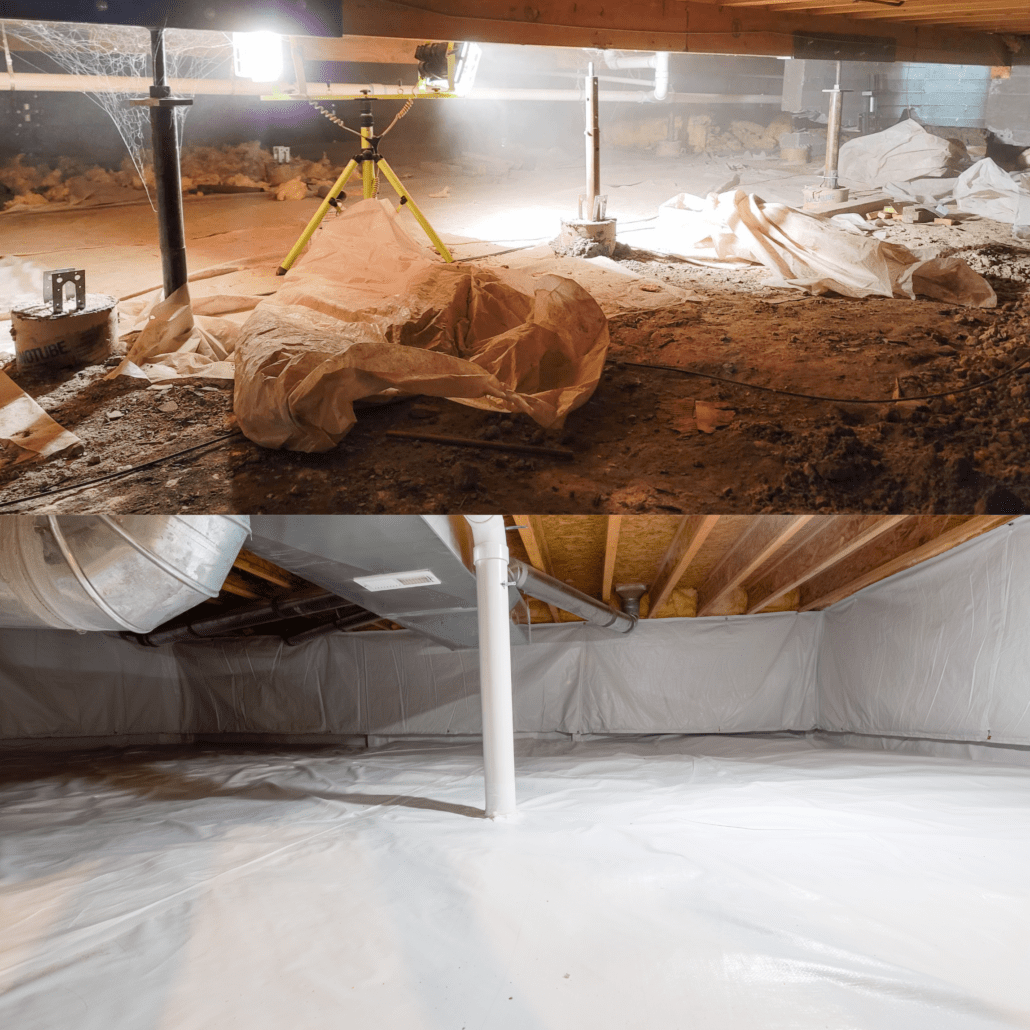
What we find is consistent. Bare dirt. No vapor barrier. An unconditioned space open to the soil. And fiberglass batts stapled up between the floor joists overhead that are sagging, falling, or gone entirely.
Why the Old Approach Fails
For decades the standard was to insulate the floor above the crawl space and leave the crawl space itself vented to the outside. It does not work well in this climate.
Batts between floor joists fall down. They absorb moisture, lose R-value, and sag away from the subfloor, which leaves an air gap that defeats the entire point. Meanwhile the crawl space stays cold, damp and connected to the soil, and a meaningful share of the air you breathe upstairs comes up out of it.
Sealing the space takes the opposite approach. Close it off, insulate the perimeter walls rather than the floor above, and bring the crawl space inside the building envelope where it belongs.
What We Install
Most crawl space work in this market is insulation and sealing rather than full high-end encapsulation. The elaborate systems with dehumidifiers and conditioning equipment have their place, but our climate rarely requires them, and we are not going to sell you one to pad a ticket.
Depending on the space, the work includes some combination of:
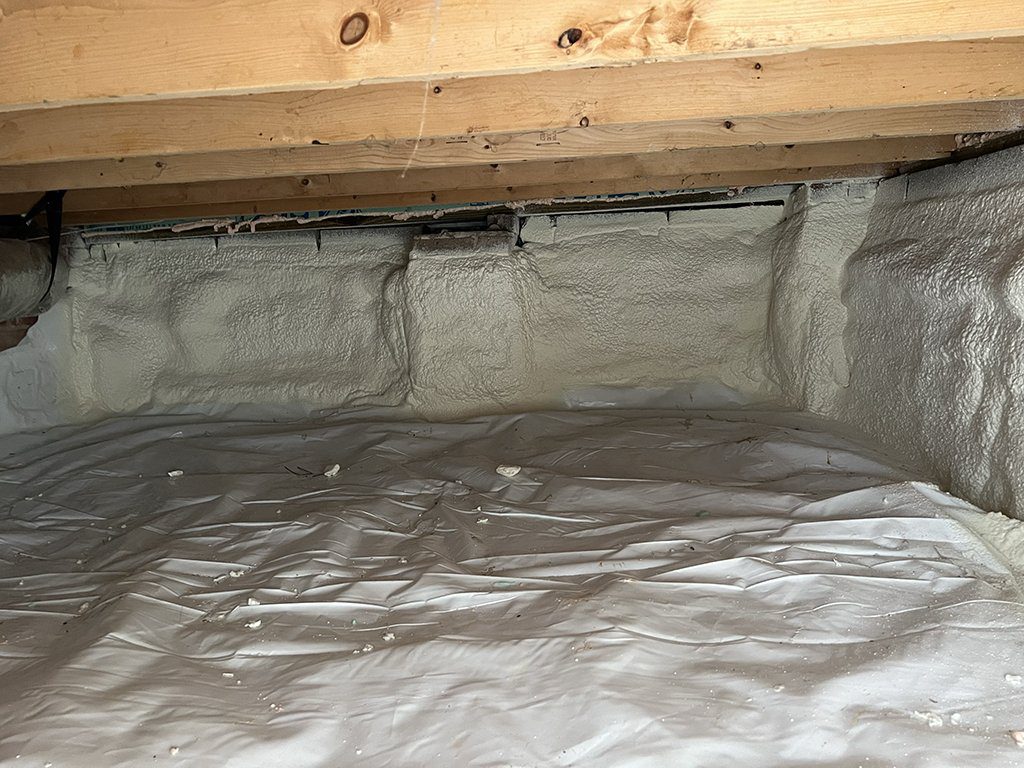
- Vinyl blanket insulation on the perimeter walls
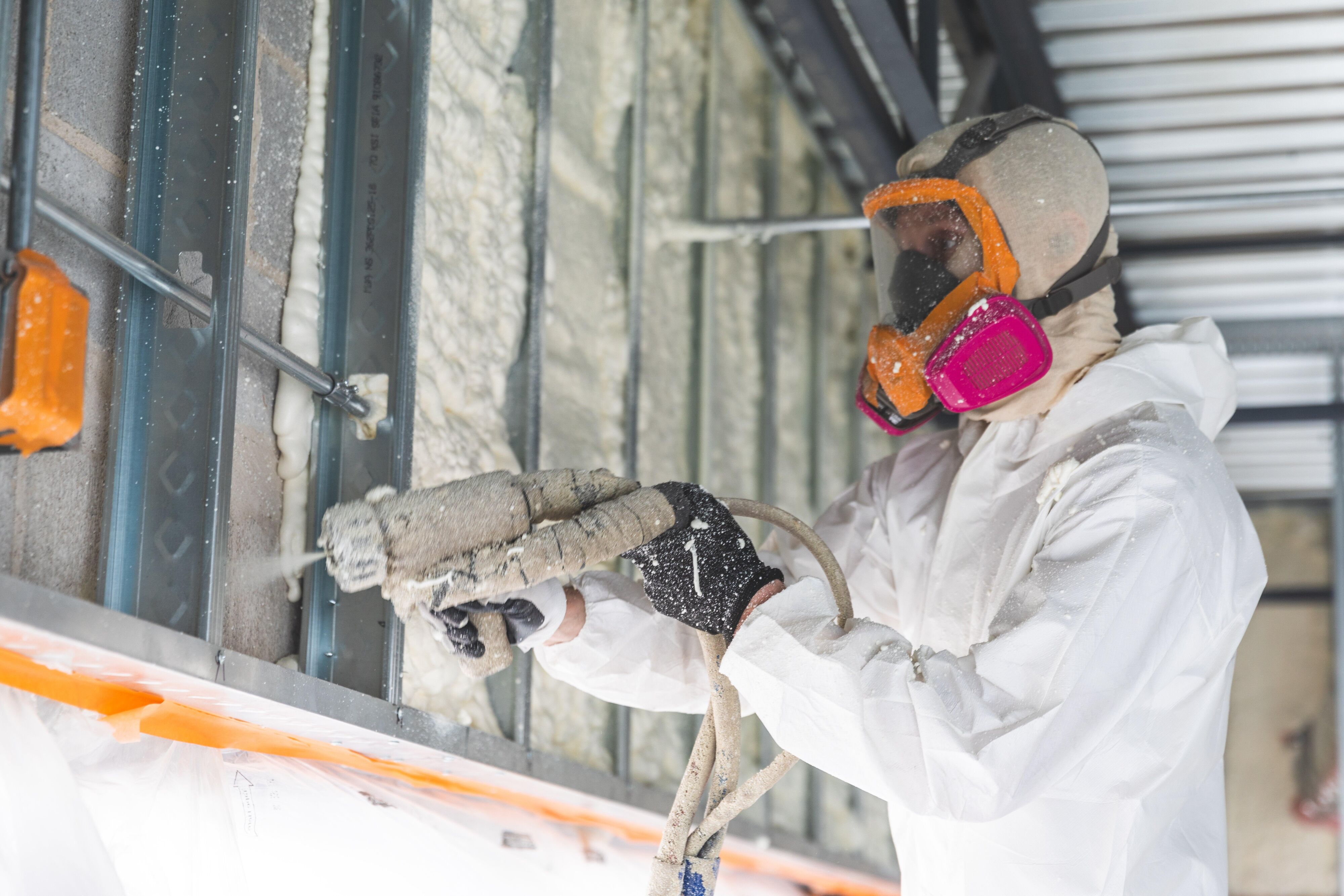
- Spray foam where the assembly calls for it or access is tight
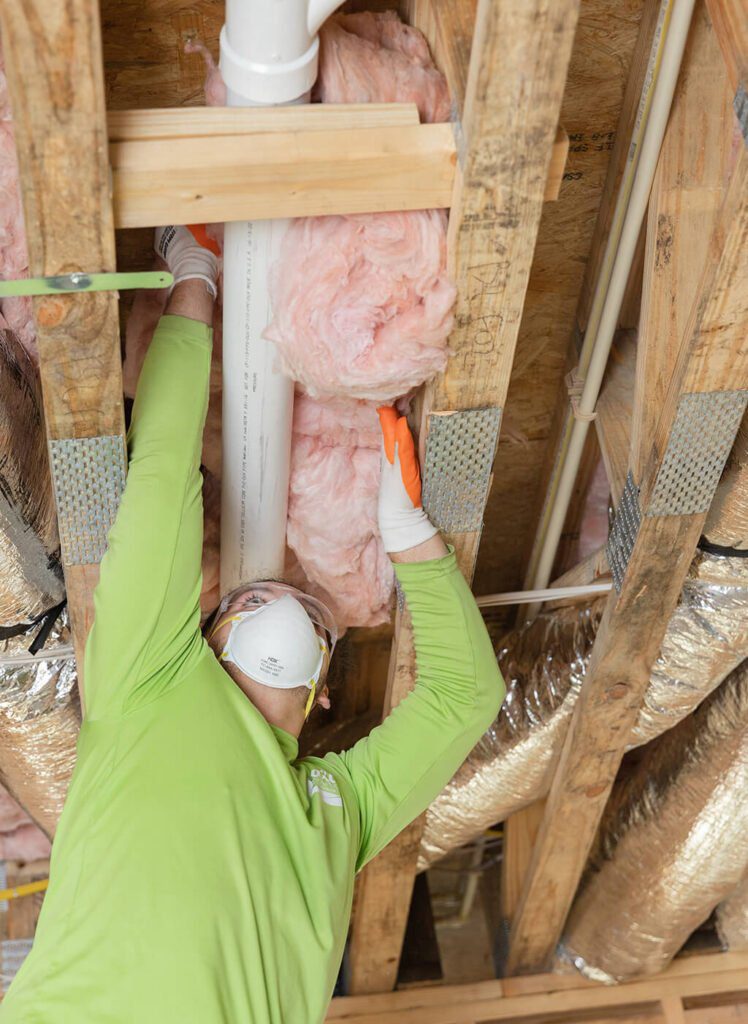
- Batt insulation between floor joists where floor insulation is the right answer
- Rim joist treatment, closed cell foam where we can get it, or cut and fitted batt with every gap air sealed first where we cannot
- Sealed vapor barrier across the floor and up the stem walls
If you want your floors insulated, we will do it. We will also tell you that sealing the crawl space off entirely is the better long term answer, because it addresses the moisture, the pests and the outside air at the same time rather than just the cold floor.
What We Find Down There
No vapor barrier
Bare soil means constant moisture evaporating into the space and working its way up through your floor. A sealed liner across the ground and up the stem walls stops it.
It also reduces how much soil gas moves into the space, which matters here. Colorado has some of the highest radon readings in the country, and a crawl space with exposed dirt is a direct path from the soil into your house. To be clear about what a liner is and is not: sealing a crawl space reduces soil gas entry, but it is not a substitute for an active radon mitigation system. If you have tested high, you need mitigation. If you have not tested, test. A sealed crawl space makes any mitigation system that follows work better.
Old foundations
Stone, block and early poured walls with gaps, cracks and penetrations at the rim. Sealing these is most of the work and most of the benefit.
Failed or missing insulation
Whatever is up in the joists has usually given up. It comes out, and insulation moves to where it will stay.
Pests
Homeowners underestimate this one. An open crawl space with degraded insulation is prime nesting habitat, and it connects directly to the rest of your house. Rodents nest in the batts, then work their way up through the same penetrations that leak air. At that point it stops being an insulation problem and becomes a much more expensive one. Sealing the space closes those entry paths as a consequence of doing the job properly.
The rim joist, and why thermal bridging matters
The rim joist is the band of framing around the perimeter where the floor system meets the foundation. It is one of the largest uncontrolled air leaks in an older home and it is almost never addressed.
It is also where thermal bridging shows up. Insulation slows heat moving through the cavity, but the framing itself conducts heat far faster than the insulation beside it. Every stud, joist and rim board is a bridge carrying heat straight through the wall, around whatever insulation you installed. A wall rated R-19 on paper often performs closer to R-13 once you account for the framing running through it.
That is why we treat the rim joist directly with foam or sealed and fitted batt instead of just filling the bays and calling it done.
Where Crawl Spaces Show Up
They cluster in the older parts of our service area: Boulder, Golden, Longmont and the original cores of Lafayette and Louisville. They also turn up in mid century homes across Lakewood, Arvada, Westminster and Broomfield, often as a partial crawl under an addition or beneath one level of a split.
Foothills and mountain properties are their own category. Longer heating seasons, harder access, and frequently no prior work of any kind.
We will crawl it, photograph it, and show you exactly what is down there. Free estimate, written scope, and a straight answer about what the space actually needs.
Why Koala Insulation of Boulder
CCEF Approved Contractor
Koala Insulation of Boulder is an approved contractor with the Colorado Clean Energy Fund. That means our customers can finance insulation work through RENU loans and ClearPath On-Bill financing, with terms built specifically for energy efficiency improvements rather than a generic home improvement loan.
Not every insulation contractor in Colorado carries this approval. Ask us about it on your estimate and we will walk you through what you qualify for.
Limited Lifetime Warranty
Our work carries a limited lifetime warranty. In practice it is simpler than that sounds. If we did the work on your home and something is not right, you call us and we come back and fix it. No claim forms, no argument about what is covered.
Three Certified BPI Analysts on Staff
The Building Performance Institute certifies professionals to assess how a home performs as a complete system: air leakage, insulation, ventilation, moisture and combustion safety. Most insulation companies do not employ a single certified analyst. We have three.
It is the difference between someone who can install insulation and someone who can tell you why your house is uncomfortable in the first place.
What to Expect
In 5 Easy Steps

Your Satisfaction is Our Top Priority


Explained what they were doing in detail and then showed pictures after. They were respectful of furniture and fixtures. They left everything as they found it. My goal was to improve insulation in a cold bathroom. so far so good. I may even get some reduction in noise. Thank you Koala.


I contacted Chris White from Koala Insulation of Boulder in late November and he was able to get me scheduled before the holidays. His spray technician Bernie and assistant Brandon showed up promptly on the morning of installation. They were both very professional, polite and friendly. I was communicated to exceedingly well, and knew from start to finish what was happening. Care in clean up was also done well.
My back office and garage attic now feel much warmer and quieter and these efficiency improvements will add value to my home. I can now do some final wiring and finish work with confidence.
I am quite pleased with the results and would recommend Koala Insulation to anyone. Money well spent!
Mark W


- - -
I'm a hard guy to impress, but impress me they did! Devin was thorough when we went over my needs, and he was great with communication and getting me an estimate quickly. The price for the foam insulation job was very reasonable (I'd looked previously and had sky high estimates).
The Job. My house has numerous rooms with cantilevers that overhang the level below, and they were poorly insulated in the late 70's. The floor over these cantilever areas was freezing all winter long! I had enough, time to fix it properly!
Bernie was the specialist that was sent to do my job and he was great! He and his assistant were extremely courteous, professional and clean! They went above and beyond when hearing what was most important to me, and did an outstanding job! They were fast, polite and made a big effort to work cleanly.
I'm extremely happy with the job that Koala Insulation of Boulder did, and will definitely call them back for the other insulation projects that my older house needs. Bring on the cold!
Thanks guys! - Craig


Additional Services
Find Your Location



Get a quote