
Boulder SmartRegs: What Actually Gets a Rental to 100 Points
If you own rental property inside Boulder city limits, you already know the rental license is not optional and SmartRegs is part of getting one. What most owners don’t have is a clear picture of where the points come from — which is the difference between a $900 project and a $9,000 one.
We do the insulation side of this work. This is what we’ve learned about the checklist, written for the owner who just got an inspection report back and is trying to figure out what to do about it.
The basics, quickly
Ready to start your insulation project?
SmartRegs came out of Ordinance No. 7726, adopted in 2010. It sets a baseline energy efficiency standard for licensed rental housing in the city, and compliance is one component of rental license approval. More than half of Boulder’s housing units are rentals, so this touches a lot of property.
There are two ways to comply:
Prescriptive pathway — a licensed inspector scores your unit against a 100-point checklist. You need 100 energy efficiency points plus 2 water conservation points. The water points are separate and don’t count toward the 100.
Performance pathway — a HERS rating of 120 or lower, performed by a RESNET-accredited rater.
The prescriptive path is used by 98% of properties. Unless you own an apartment-complex-style building, that’s your path.
Two things worth knowing up front, because they change the math:
Compliance is one-time. Once a property demonstrates compliance, it doesn’t have to recertify. This is not an annual expense.
Newer buildings are usually exempt. Properties that meet or exceed the energy efficiency requirements of the city’s Energy Conservation and Insulation Code — typically buildings with a certificate of occupancy issued after July 2001 — are generally exempt. Confirm with the Rental Housing Licensing office before assuming.
Where the points actually are
The checklist is public, and it’s worth reading before you spend money. Here’s how the envelope categories score, at 100% coverage of the relevant surface:
Walls
No insulation: 0 points
R-13: 20 points
Greater than R-19: 21 points
Insulated basement wall: 26 points
Crawl space foundation walls
R-0: 0 points
R-2: 6 points
R-11: 8 points
Greater than R-19: 9 points
Framed floors (only available when no ducts or HVAC equipment sit in the unconditioned space below)
R-0: 0 points
R-13: 11 points
R-25: 12 points
Greater than R-38: 14 points
Infiltration — this is air sealing, measured by blower door
1.20 ACHn or better: 2 points
0.75 ACHn: 4 points
0.50 ACHn: 6 points
0.35 ACHn or better: 7 points, with ventilation per ASHRAE 62.2
Ceilings — attic insulation. The city names attic insulation as the most common upgrade property owners complete to reach compliance. The point values for this category aren’t currently displayed correctly on the city’s public checklist page, so ask your inspector for the current tiers rather than assuming.
Note the percentage columns. The checklist scores by how much of a given surface is insulated, not whether any of it is. A house with 50% of its walls uninsulated and 50% at R-13 earns 10 points from the Walls section, not 20. Partial credit is real, which means partial work is worth doing when a full scope isn’t in the budget.
The categories that aren’t ours, and why you should look at them anyway
We’re an insulation company. We’d be doing you a disservice if we pretended insulation is always the cheapest path to your remaining points.
Duct leakage is worth up to 17 points, and “no ducts” scores the full 17 automatically. If your unit has ducts and they leak, sealing them is often the highest point-per-dollar move on the whole checklist.
Heating is the biggest single category. A 96% AFUE gas furnace earns 19 points. A ground-source heat pump ranges from 29 to 43 points depending on COP. If your furnace is at the end of its life anyway, replacing it does more for your score than almost anything else.
Lighting tops out at 7 points for 100% high-efficacy fixtures. That’s a weekend and a box of bulbs.
Occupant measures are worth 1 point each — a programmable thermostat, a real-time energy monitor, providing an operation manual, or having a tenant attend an energy conservation class. Four points for almost no money.
Cooling has a quirk worth knowing: having no cooling at all scores 6 points, the same as a 15 SEER system. Don’t add air conditioning for SmartRegs reasons.
Photovoltaics are worth 44 points per kW, which sounds like it solves everything. It doesn’t, because a unit has to earn 70 prescriptive points in other categories before it’s eligible to claim any PV points at all. Solar is a finisher, not a starter.
The order we’d go in
If you’re sitting on an inspection report showing a gap, this is the sequence that usually costs the least.
First, the cheap points. Lighting, low-flow fixtures, a programmable thermostat, the operation manual. You can pick up close to ten points for a few hundred dollars. Do these regardless of what else you do.
Second, testing. Duct leakage and infiltration are scored by measurement, and some units score better than the owner expects. Paying for the test can be cheaper than paying for work you didn’t need. Ask your inspector what testing they offer.
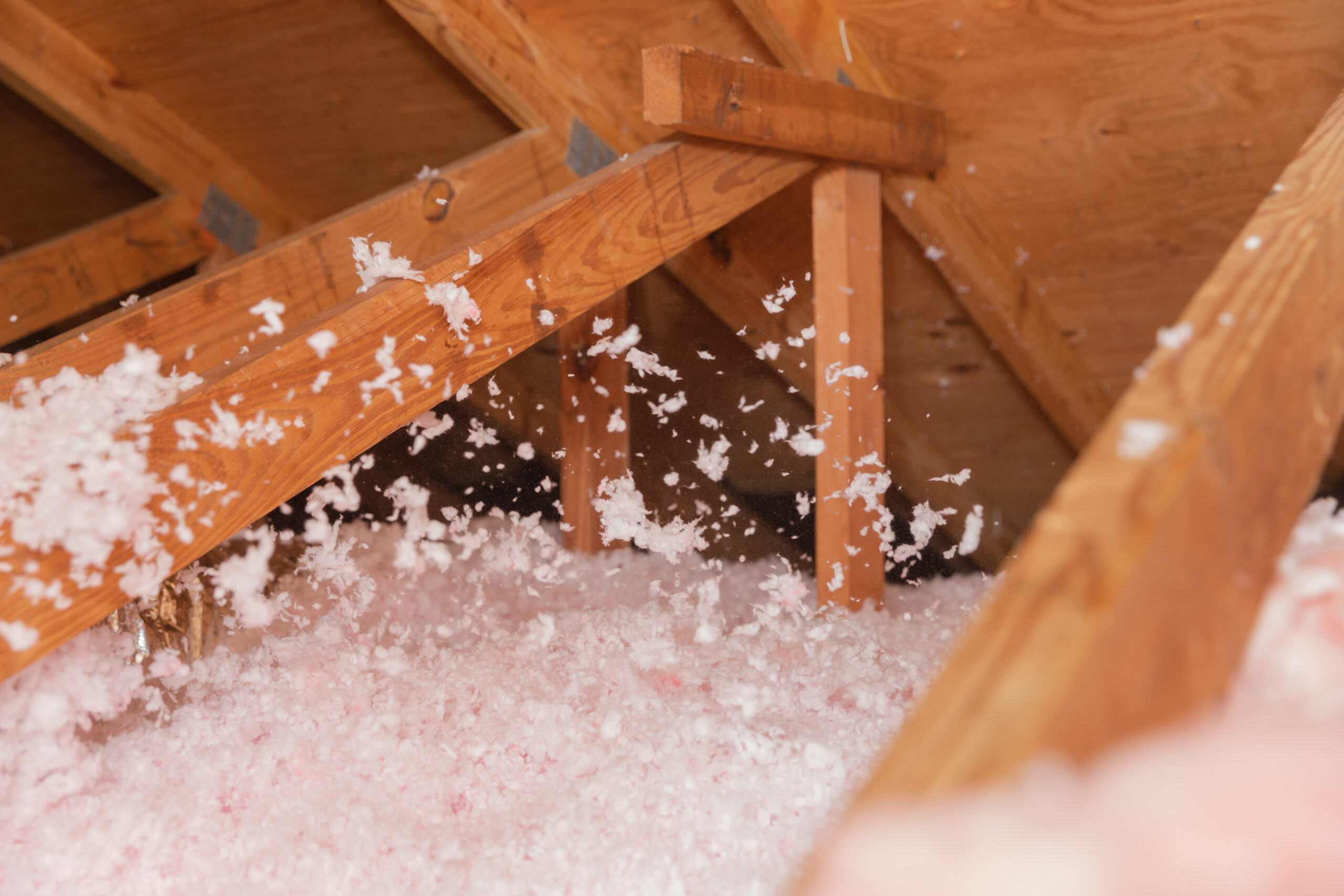
Third, the attic. Attic insulation is the most common compliance upgrade in the program’s history for a reason: it’s usually the largest gap and among the least invasive to fix. If the attic is under-insulated, this is where the points are.
Fourth, crawl space and floors. Nine points for foundation walls above R-19, up to 14 for framed floors. These matter most in older Boulder housing stock with vented crawl spaces.
Last, walls and equipment. Wall insulation is worth real points — 21 at R-19, 26 for an insulated basement wall — but it’s the most disruptive and expensive envelope work in the building. Heating equipment carries the biggest single point values but the biggest price tags. Save these for when you need them or when the equipment is failing anyway.
If you can’t get there
There’s a provision called Technically Impractical for properties that can’t reach 100 points due to cost or construction constraints. It’s not a shortcut. You have to complete all eligible upgrades and testing before you’re even considered, and if an exemption is approved, an energy offset purchase is required as part of it — carbon offsets score 8 points per metric ton of CO2 offset.
Read that carefully: you do the work first, then you pay for offsets on top. For most properties, finishing the job is cheaper than the exemption route. Pursue it only when a real structural impediment exists.
Free help most owners don’t use
Boulder County runs a free energy efficiency advising service called EnergySmart. They’ll help you plan the improvement sequence, find contractors, and apply for rebates. It costs nothing and it’s independent of any contractor, including us. If you’re staring at an inspection report and don’t know where to start, call them before you call anyone else.
The city’s Rental Housing Licensing office can be reached at 303-441-3152 or [email protected] for questions about the license, exemptions, and inspection requirements.
One thing on the horizon
The city is currently updating the SmartRegs checklist through a project called the 2026 SmartRegs Efficient Heating and Cooling Update. The proposed changes focus on the heating, cooling and hot water tables — recognizing newer technologies like air source heat pumps, removing points from appliances that no longer beat minimum efficiency standards, and revisiting how points are distributed.
The checklist will remain a 100-point system, and properties that have already demonstrated compliance will not have to recertify. If your property has never been through SmartRegs, the updated checklist is what you’ll eventually be scored against.
If you own rental property in Boulder, it’s worth following. The project page is on the city’s website and the project manager takes questions directly.
Where we fit
We do attic insulation, crawl space insulation, wall insulation, and air sealing — four of the envelope categories on the checklist. We’re not inspectors and we can’t score your property or file your compliance paperwork. That has to come from a city-licensed inspector.
What we can do is read your inspection report with you and tell you honestly which of the remaining points are ours and which aren’t. Sometimes the answer is that you should call a duct sealing company or an HVAC contractor before you call us. We’d rather tell you that than sell you an attic you didn’t need.
If you’ve got a report in hand and a gap to close, send it over.
Koala Insulation of Boulder 1435 Yarmouth Ave Ste 103, Boulder CO 80304 720-738-7825
SmartRegs requirements, point values and exemptions are set by the City of Boulder and are subject to change. Current program information, including the prescriptive pathway checklist, is published at bouldercolorado.gov. Koala Insulation of Boulder is not a licensed SmartRegs inspector and does not determine compliance. Program details described here are current as of the date of publication.
Find Your Location



Get a quote