
Well-insulated homes are more comfortable, more valuable, and less expensive to own every month because of increased efficiency. One of the best investments that homeowners can make is to improve their insulation to energy-efficient insulation. Knowing how insulation saves energy and how to calculate the return on investment can help you maximize the benefit of your investment.
Insulation and Energy Bills: How Much Can You Save
Proper Insulation saves approximately 15% on heating and cooling bills each year; however, an individual may realize even greater savings depending upon a number of different factors; we have seen savings as high as 45% recorded by some customers!
The major factors which affect the amount an individual saves due to insulation are:
- Climate – Homes built in colder climates will experience the most benefit from insulation; particularly during prolonged cold periods during the winter months. The average savings due to insulation for residents of more Northerly states is about 18-19%. The savings for residents of the more Southerly states are generally between 7-14%
- Home size – Larger homes require more insulation but often enjoy more energy savings because energy loss is reduced in a larger space.
- Age of the home – Older homes benefit the most from new or additional insulation. Older homes typically have the best home insulation return on investment (ROI).
- Existing insulation – Homes that already have properly installed insulation typically see more modest energy savings from an insulation upgrade.
Your local Koala Insulation will determine the most cost-effective way to add or replace insulation to maximize your savings!
How Does Proper Insulation of the Home Save Energy?
The easiest way to cut your energy bills is with proper insulation. To get started, focus on these two key factors:
- Maximizing the impact of energy expenditure through heating and cooling
- Minimizing the impact of outdoor temperatures via the building envelope
Insulation is critical in reducing heating and cooling costs by serving as a barrier to thermal loss. Learn how this plays out in different seasons.
Mitigating Heat Transfer
The hot air in your house escapes through windows, walls, ceilings, floors, and other places during winter. In contrast, heat enters through various places in your house in the summer; this happens because the warm air flows from the inside of your home to the cool air outside of your home. To prevent this from happening, insulation acts as a barrier to slow down the transfer of heat. Therefore, your HVAC system will not have to work as often to keep you comfortable.
Air Leak Prevention
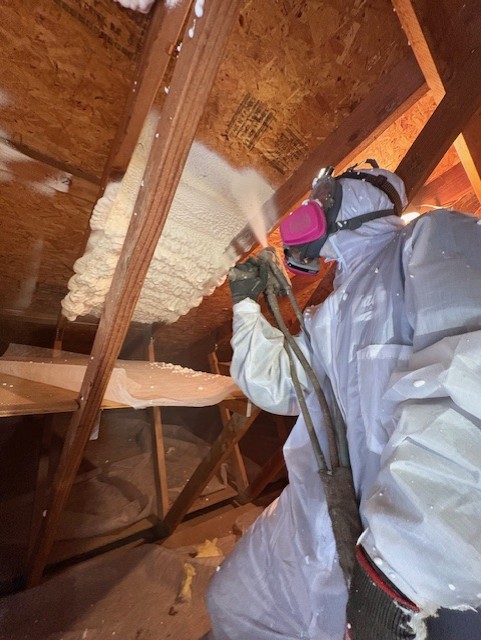
The small gaps and cracks in your walls, doors, windows, and other exterior surfaces is what causes air leaks.Insulation fills these gaps, helping keep warm air inside and preventing unwanted drafts from coming in. Spray foam insulation is the best type of insulation to prevent air leaks.
There are additional benefits, too, including:
- More even temperatures throughout the home
- Less strain and fewer repairs on HVAC equipment
- Longer lifespan of HVAC equipment
Energy Savings from Insulation: How to Calculate
There is no perfect way to calculate savings from insulation, but there are tools available that provide accurate estimates. To determine your energy savings, you’ll need the following information:
- Surface area (in square feet) being insulated
- The average heating and cooling days per year (guide by region: US | Canada)
- The R-value of the current insulation, if applicable
- The R-value of the new insulation
- HVAC fuel type and average costs (from your energy bill)
We recommend this calculator, but there are many options available online.
Calculating Insulation’s Return on Investment Timeline
Once you’ve calculated your energy savings, find out how long it will take for your project to pay for itself, or its return on investment (ROI). This will require a little more information, including:
- New insulation costs, including labor (We can provide a detailed estimate!)
- Insulation removal costs, if applicable
- Value of tax credits and rebates
- Annual estimated energy savings (We listed the steps above.)
Calculating your ROI timeline is relatively straightforward. Divide the total insulation project costs (the first two bullet points, minus the third) by the annual estimated energy savings. For example:
- ($5,000-$1,200) / $800 = 6.25 years
You can also calculate the rate of return on insulation. You’ll enter the same information into the following formula:
- ROI = (annual energy savings / (insulation costs – tax credits)) X 100
Here’s a deeper look at the ROI calculation.
Crunch the Numbers with Koala Insulation
Koala provides free home evaluations to show you how to save on your energy costs. We will evaluate the effectiveness of your insulation and produce an estimate of possible energy savings. In addition to our findings, we will give you quote for your project. By giving you this information, you will be able to make a well-informed decision on how to proceed. Let’s get started; find your local Koala Insulation today!
Related
Articles
Find Your Location



Get a quote