
Surprised by Your Summer Energy Use? Better Insulation Can Help Lower Cooling Costs
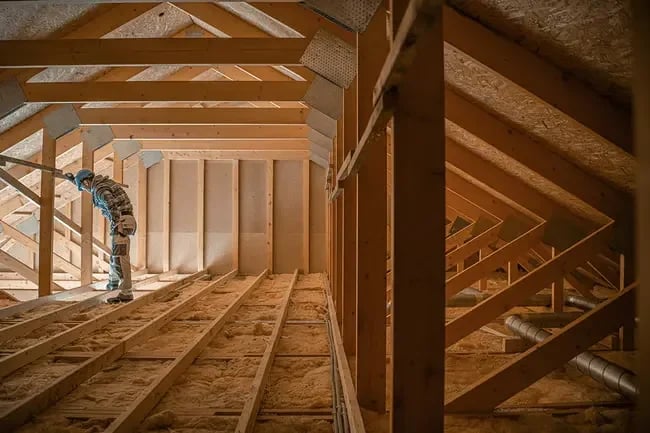
If your electric bill jumped this summer, your air conditioner may not be the only reason. In many homes across Englewood, Highlands Ranch, Parker, Castle Rock, Centennial, Lone Tree, Greenwood Village, Cherry Hills Village, Castle Pines, Elizabeth, Franktown, Sedalia, Larkspur, Monument, and North Colorado Springs, high cooling costs are often tied to heat entering through the attic, air leaks, and underperforming insulation.
The direct answer: improving attic insulation and sealing air leaks can help reduce cooling costs by slowing heat transfer, keeping conditioned air indoors, and reducing how hard your AC has to work during hot Front Range afternoons. Insulation is not a magic switch, and savings vary by home, but it is one of the most practical building-envelope upgrades homeowners can evaluate when summer energy use feels unusually high.
Koala Insulation of Southeast Denver helps homeowners identify where their homes are losing comfort and efficiency, then recommends insulation and air-sealing solutions that fit the home’s structure, existing insulation, and goals. This guide explains why summer bills rise, how insulation helps, what to look for in your home, and when it is time to schedule a professional insulation assessment.
Ready to start your insulation project?
Why Are Cooling Costs So High in Southeast Denver Homes?
Summer energy use can rise for several reasons: hotter weather, longer AC run times, higher utility rates, more people at home, aging HVAC equipment, or changes in thermostat habits. But if your cooling costs feel out of proportion to your comfort, your home’s insulation and air sealing deserve attention.
The Denver south metro and surrounding communities have a unique mix of climate conditions. Days can be hot and sunny, evenings can cool quickly, and many homes experience intense solar gain through roofs, west-facing walls, and upper-level rooms. In places such as Parker, Castle Rock, Elizabeth, Franktown, Sedalia, and Monument, wind exposure can also reveal air leakage around attic hatches, rim joists, recessed lights, and penetrations for wiring or plumbing.
When a home is not well insulated or sealed, your AC has to fight heat that continually enters the living space. Instead of cooling the air and maintaining a steady temperature, the system runs longer to compensate for heat radiating down from the attic, warm air leaking in, and cool air escaping through gaps. That can show up as higher electric use, uneven room temperatures, and a house that never feels quite comfortable in the late afternoon.
Common signs your home is losing cooling efficiency
Watch for rooms that are noticeably hotter upstairs, an AC system that runs almost constantly, high indoor humidity or stuffiness, warm ceilings below the attic, dusty rooms, drafts near baseboards or can lights, and a thermostat that struggles to reach the set temperature. Another clue is a sharp increase in kilowatt-hour usage compared with the same period in previous years, even if your household habits have not changed much.
It is also worth comparing comfort across your home. If your main level feels fine but bedrooms over the garage or below the attic are uncomfortable, insulation gaps may be part of the problem. If your home cools down quickly at night but heats up rapidly by midday, solar heat gain and attic heat transfer may be overwhelming your insulation.
Why your attic matters so much in summer
Your attic can become extremely hot under direct sun. That heat does not stay neatly above the ceiling. It moves by conduction through building materials, by radiation from hot roof surfaces, and by air movement through cracks and gaps. Attic insulation creates resistance to heat flow, helping separate the hot attic from the cooled living space below.
If insulation is thin, uneven, compressed, displaced, contaminated, or missing in key areas, heat can move more easily into your home. That is why many insulation evaluations start in the attic. It is often the largest and most accessible opportunity to improve summer comfort.
How Insulation Helps Offset Cooling Costs
Insulation helps offset cooling costs by reducing heat transfer between unconditioned areas and conditioned rooms. In summer, the goal is to keep outdoor and attic heat from entering your living space. In winter, the same insulation helps keep heated air from escaping. That year-round value is one reason insulation is often considered a foundational home efficiency upgrade.
Think of insulation as part of your home’s thermal boundary. Your HVAC system creates comfortable indoor air, but the building envelope determines how long that comfort lasts. When insulation is inadequate, your AC has to repeatedly replace comfort that is being lost through the attic, walls, crawlspace, garage-adjacent rooms, or air leaks. When insulation and air sealing are improved, the house can hold conditioned air more effectively.
This does not mean insulation replaces HVAC maintenance, proper ductwork, shade strategies, or sensible thermostat settings. It works best as part of a whole-home approach. However, insulation, ventilation, and air sealing are logical next steps to investigate.
Insulation slows heat, but air sealing stops leaks
Homeowners often think only about adding more insulation, but air sealing is just as important. Insulation slows conductive heat transfer, while air sealing reduces unwanted airflow through gaps and cracks. If you add loose-fill insulation over unsealed ceiling penetrations, air can still move through the assembly and carry heat, moisture, dust, and allergens with it.
Typical air-leakage points include attic access hatches, plumbing and electrical penetrations, top plates, duct chases, recessed lighting, bath fan openings, chimney or flue chases, and gaps around dropped soffits. A professional insulation contractor can identify these areas and seal them with appropriate materials before adding insulation where needed.
R-value matters, but coverage quality matters too
R-value measures resistance to heat flow. Higher R-values generally provide more resistance, but only when the insulation is installed correctly. Gaps, compression, wind washing, moisture damage, and uneven coverage reduce performance.
For Colorado homes, recommended attic insulation levels can be checked against current energy-efficiency guidance from reputable sources such as ENERGY STAR, the U.S. Department of Energy, and applicable building-code references. The right target for your home depends on the existing insulation, attic design, ventilation, roof structure, and whether any moisture or air-sealing issues need to be addressed first.
Where Your Home May Be Wasting Energy This Summer
When cooling costs spike, it helps to look beyond the thermostat. A home is a connected system, and a weakness in one area can make the entire system less efficient. Below are the areas homeowners in Southeast Denver and surrounding communities should pay special attention to.
Attic insulation that is too low, old, or uneven
Attic insulation can settle over time, especially some loose-fill materials. It can also be disturbed by past electrical work, cable installation, roof repairs, pest activity, or storage. In some homes, insulation is simply below modern recommendations because the home was built under older standards.
A quick visual check can be revealing. If you can see the tops of ceiling joists in many places, or if insulation depth varies widely, your attic may be underinsulated. However, do not walk through an attic casually. Stepping in the wrong place can damage drywall or create a safety hazard. A professional inspection is safer and more thorough.
Air leaks around the attic and upper floors
Warm air can enter and cool air can escape through small gaps that are easy to overlook. These leaks are often hidden in the attic floor or behind building cavities. In summer, stack effect can still influence air movement, and wind can push outdoor air through gaps in the building shell.
Air leaks may also pull attic air into the home, which can contribute to dust and odors. Sealing these leaks can improve comfort and indoor air quality while helping the AC maintain temperature more efficiently.
Ducts running through hot attics or garages
A properly functioning attic relies on appropriate ventilation to prevent extreme temperature buildups that can impact your home’s overall comfort. Many houses have their ductwork routed right through this unconditioned space, leaving those ducts vulnerable to the attic’s climate. When an attic is properly ventilated, the ambient temperature stays much lower, creating a far less hostile environment for your cooling system. Paired with properly insulated ductwork to shield the air inside, this controlled attic environment ensures that your conditioned air doesn’t heat up before it reaches the furthest rooms in your house. By maintaining active attic airflow and ensuring your duct insulation is intact, you can eliminate uneven room temperatures and keep your home consistently comfortable without constantly lowering the thermostat.
Garage-adjacent rooms and bonus spaces
Bedrooms above garages, bonus rooms, and home offices over unconditioned spaces are common comfort problem areas in communities such as Highlands Ranch, Castle Pines, Parker, and Castle Rock. These rooms may have limited insulation, air gaps around framing, or surfaces exposed to hot garage air.
If one room is consistently hotter than the rest of the house, the solution may involve targeted insulation, air sealing, and sometimes improved airflow. The key is diagnosing the room’s specific weak points rather than assuming the AC is undersized.
What to Note Prior to Your Free Insulation Assessment
As you get ready to reach out for your free insulation assessment, taking a moment to observe a few key details around your house can be incredibly helpful. While our experts will thoroughly evaluate your entire building envelope, noting your home’s specific temperature patterns, drafty spots, and warm rooms beforehand allows us to hit the ground running. Sharing these observations when you call helps us eliminate the guesswork and tailor our solutions directly to your home’s unique needs.
Review your electric bills and usage patterns
Look at kilowatt-hour usage, not just the total dollar amount. Rates, fees, and billing cycles can change, so usage gives a clearer picture of how much electricity your home consumed. Compare this summer with the same months in prior years if you have access to the data.
Note any household changes: a new electric vehicle, more people working from home, a new hot tub, additional freezer, dehumidifier use, or thermostat changes. If usage rose without a clear lifestyle explanation, the building envelope and HVAC performance become more likely suspects.
Check your thermostat habits
Setting the thermostat dramatically lower usually will not cool the home faster; it simply asks the system to run longer. Use a consistent, reasonable cooling schedule and avoid large swings during peak heat unless your system and home are suited to recovery.
If you have a smart thermostat, review run-time data. Long run times during late afternoon are common in hot weather, but constant operation paired with poor comfort may indicate heat gain, air leakage, duct issues, or HVAC maintenance needs.
Replace filters and keep vents open
A dirty HVAC filter can restrict airflow, reducing comfort and efficiency. Replace filters according to the equipment manufacturer’s guidance and the realities of your home, such as pets, dust, wildfire smoke, or construction nearby. Also make sure supply and return vents are not blocked by furniture, rugs, or curtains.
Closing many vents in unused rooms can create pressure imbalances and may not save energy the way homeowners expect. If you have persistent room-by-room comfort problems, it is better to diagnose airflow, ductwork, insulation, and air sealing.
Use shade and ventilation wisely
Close blinds or shades on sun-exposed windows during the hottest parts of the day, especially west-facing windows. When outdoor temperatures drop in the evening, natural ventilation can help if outdoor air quality is good and security conditions allow. In areas affected by smoke, dust, or allergens, use caution and rely on filtration guidance from official public health or HVAC sources.
These habits reduce the load on your AC, but they do not replace proper insulation. If the attic is radiating heat into the home, window coverings alone will not address the root cause.
When to Schedule a Professional Insulation Assessment
A professional insulation assessment is a smart next step when your energy use is high, your AC runs constantly, or your home has persistent hot rooms despite basic maintenance and reasonable thermostat settings. It is especially useful if you have never inspected your attic insulation, recently bought an older home, finished a remodel, or noticed a major difference between upstairs and downstairs comfort.
Koala Insulation of Southeast Denver can evaluate insulation conditions, identify common air-leakage concerns, and recommend practical options for your home. The goal is not to sell the same solution to every homeowner. The right approach depends on the home’s current insulation, attic access, ventilation, moisture conditions, and comfort complaints.
What a good insulation evaluation should include
A thorough evaluation typically looks at insulation depth and coverage, visible gaps or compression, attic ventilation conditions, signs of moisture or pest contamination, accessible air-leakage points, attic hatch condition, duct locations, and problem rooms. The contractor should also ask about your comfort concerns, utility usage, past repairs, and any planned home improvements.
Homeowners should expect clear explanations. If insulation is recommended, ask what material is being proposed, why it fits your home, what R-value target is appropriate, whether air sealing is included, and whether any existing insulation needs removal or correction before new insulation is installed.
Insulation options homeowners may consider
Common residential insulation options include blown-in fiberglass, blown-in cellulose, fiberglass batts, spray foam in specific applications, and air-sealing materials. Each has appropriate uses. For example, blown-in insulation can be effective for improving attic coverage because it fills around framing and irregular spaces. Batts may work in accessible cavities when carefully installed. Spray foam may be useful in targeted areas where air sealing and insulation are both needed, but it must be selected and installed correctly.
No single product is best for every situation. A trustworthy recommendation should be based on building science, your home’s conditions, safety considerations, budget, and long-term performance.
Questions to ask before approving insulation work
Ask whether air sealing will be completed before adding insulation, how attic ventilation will be protected, how recessed lights and heat-producing fixtures will be handled, whether baffles are needed at eaves, how the crew will protect your home during installation, and what cleanup is included. Also ask how the final insulation level will be verified.
If your home has signs of roof leaks, mold-like growth, pest contamination, or unsafe electrical conditions, those issues may need to be addressed before insulation is added. Covering up a problem rarely makes it better.
How Koala Insulation of Southeast Denver Helps Local Homeowners
Koala Insulation of Southeast Denver works with homeowners who want their homes to feel more comfortable and use energy more efficiently. For residents in Englewood, Centennial, Greenwood Village, Cherry Hills Village, Foxfield, Lone Tree, Highlands Ranch, Parker, Castle Rock, Castle Pines, Elizabeth, Franktown, Sedalia, Larkspur, Monument, and North Colorado Springs, the right insulation strategy can make a noticeable difference in day-to-day comfort during hot summer weather.
The process starts with understanding the problem. Are your upstairs bedrooms too warm? Is your electric use higher than expected? Does the AC run all afternoon? Are you planning to stay in the home long-term and want to improve efficiency? These details help shape the recommendation.
A practical insulation plan may include attic air sealing, adding blown-in attic insulation, improving attic hatch insulation, addressing garage-adjacent rooms, or recommending further evaluation of ductwork or HVAC performance when insulation alone is not the full answer. The most reliable path is to address the biggest causes of heat gain first, then support the home with consistent maintenance and smart energy habits.
Local considerations for Front Range homes
Homes along the south Denver metro and Palmer Divide areas can experience strong sun, dry air, wind, hail-related roof repairs, wildfire smoke episodes, and wide temperature swings. These conditions make a tight, well-insulated building envelope especially valuable. They also make it important to maintain proper ventilation and avoid trapping moisture where it does not belong.
If your roof has been repaired or replaced, it is worth checking whether attic insulation was disturbed. If you have had electrical, plumbing, solar, low-voltage, or remodeling work done in the attic, insulation may have been moved and not fully restored. Small disturbances across a large attic can add up.
What homeowners can realistically expect
Better insulation and air sealing can help improve comfort and may reduce cooling energy use, but results vary. Savings depend on the home’s starting condition, AC efficiency, duct performance, thermostat settings, weather, utility rates, and household behavior. Be cautious of anyone promising exact savings without evaluating your home.
The most realistic benefits are reduced heat transfer, improved temperature consistency, less strain on cooling equipment, and a home that is easier to keep comfortable. For many homeowners, comfort is just as important as the bill itself.
Key Takeaways
- High summer cooling costs are often caused by heat gain, air leaks, and underperforming attic insulation, not just AC usage.
- Attic insulation and air sealing work together: insulation slows heat transfer while air sealing reduces unwanted airflow.
- Rooms that are hotter upstairs, over garages, or below attic spaces often point to building-envelope weaknesses.
- Review kilowatt-hour usage, thermostat run times, filters, vents, and shade habits before assuming your AC is the only issue.
- A professional insulation assessment can identify practical upgrades for homes in Southeast Denver and nearby Front Range communities.
Frequently Asked Questions
Can insulation really lower cooling costs in summer?
Yes, insulation can help lower cooling costs by reducing heat transfer from the attic, roof, walls, or unconditioned spaces into the living area. Actual savings vary by home, existing insulation, air leakage, HVAC performance, thermostat settings, and weather.
How do I know if my attic needs more insulation?
Common signs include visible ceiling joists, uneven insulation depth, hot upstairs rooms, warm ceilings, high summer electric usage, and an AC that runs constantly. A professional assessment can measure insulation levels and check for gaps, compression, air leaks, and ventilation concerns.
Is air sealing necessary if I add attic insulation?
Air sealing is strongly recommended before adding attic insulation. Insulation slows heat transfer, but gaps around attic penetrations can still allow conditioned air to escape and hot attic air to enter. Sealing leaks first helps the insulation perform as intended.
What type of insulation is best for homes near Southeast Denver?
The best insulation depends on the home. Blown-in fiberglass or cellulose is often used for attics, batts may be used in accessible cavities, and spray foam may be appropriate for targeted air-sealing and insulation needs. A contractor should recommend materials based on the structure, existing insulation, ventilation, and comfort goals.
Should I replace my AC or improve insulation first?
If your AC is old, failing, or improperly sized, HVAC service may be needed. But if the system is functioning and your home still has hot rooms or high energy use, insulation and air sealing should be evaluated. Improving the building envelope can reduce the cooling load your AC must handle.
Does Koala Insulation of Southeast Denver serve my area?
Koala Insulation of Southeast Denver serves homeowners across the southeast Denver metro and nearby communities, including areas such as Englewood, Highlands Ranch, Parker, Castle Rock, Centennial, Lone Tree, Castle Pines, Elizabeth, Franktown, Sedalia, Larkspur, Monument, and North Colorado Springs.
Conclusion
If this summer’s electric bill caught you off guard, do not assume higher cooling costs are unavoidable. Your home may be allowing too much heat in and too much conditioned air out. Attic insulation, air sealing, and targeted building-envelope improvements can help your AC work more effectively and make your home more comfortable during hot Front Range afternoons.
Koala Insulation of Southeast Denver can help you understand what is happening in your home and which insulation improvements are worth considering. If you live in Englewood, Highlands Ranch, Parker, Castle Rock, Monument, Lone Tree, Foxfield, Elizabeth, Centennial, Cherry Hills Village, Greenwood Village, Castle Pines, Larkspur, North Colorado Springs, Franktown, or Sedalia, scheduling an insulation assessment is a practical next step toward better comfort and more controlled energy use.
Find Your Location



Get a quote