


Reduces Heat Flow: Spray foam slows conductive heat transfer through the insulated cavity, helping roof, wall, and floor assemblies resist outdoor temperature extremes.
Professional Spray Foam Insulation in Las Cruces, NM
Let Our Insulation Experts Show You The Many Benefits Of Our High Performance Insulation.
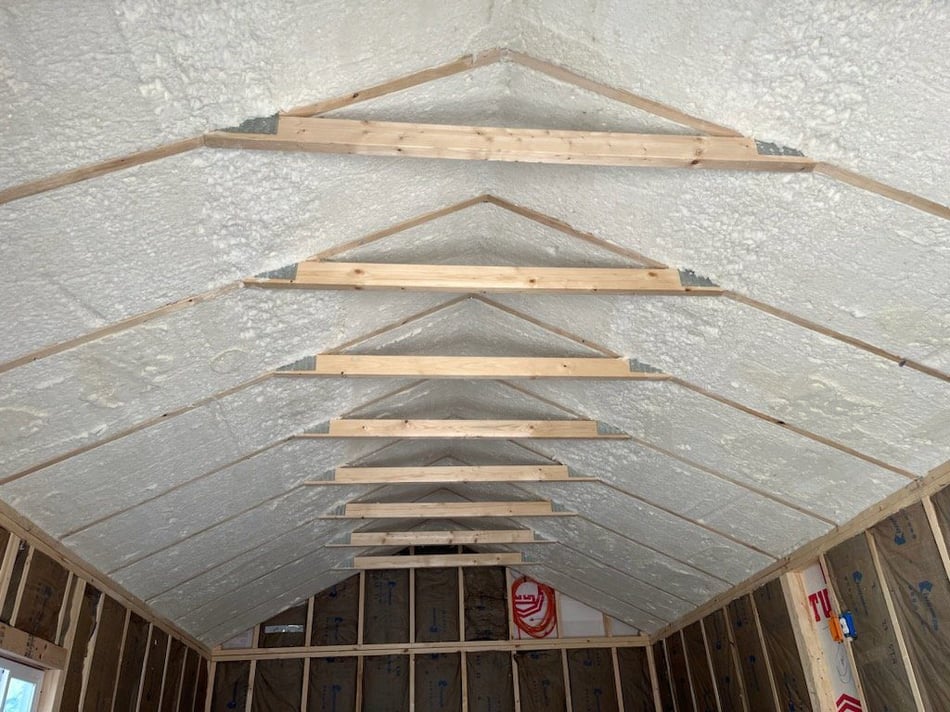
Spray foam insulation combines thermal resistance with air sealing, making it useful for hard-to-seal attics, roof decks, wall cavities, shops, and other assemblies. Koala Insulation of Las Cruces designs each project around the building, the product, and Southern New Mexico’s hot, dry conditions – not a one-size-fits-all thickness.
From East Mesa and Sonoma Ranch to historic homes near Mesquite, Alameda-Depot, and Mesilla Park, our local team evaluates heat gain, leakage paths, existing insulation, moisture, HVAC, and code requirements before recommending open-cell foam, closed-cell foam, or another solution.
Get a Free Estimate


Trusted
Las Cruces Spray Foam Insulation Contractors

Las Cruces homes contend with intense roof temperatures, wind-driven dust, large day-to-night swings, and seasonal monsoon moisture. Spray foam can improve comfort by insulating and sealing in one application, but the assembly must still manage bulk water, vapor, ventilation, and combustion safety. Roof and plumbing leaks should be corrected before foam is installed.
Our assessment considers whether the attic should remain vented or become part of the conditioned enclosure, whether the substrate is clean, dry, and accessible, and whether open-cell or closed-cell properties fit the location. Adobe, masonry, stucco, metal, and framed assemblies behave differently, so we specify the approach before work begins and explain what the foam will, and will not, do.
A Superior
Thermal and Air Barrier Services for Southern New Mexico
Applied at the specified thickness and allowed to cure correctly, spray polyurethane foam can provide insulation and a continuous air-control layer across many irregular surfaces. The best product and location depend on the assembly, climate exposure, code requirements, and project goals.
These capabilities define the insulation type:
Seals Leakage Paths: Expanding foam can connect across penetrations, top plates, framing transitions, and irregular gaps that are difficult to seal with cut-and-fit insulation.
Supports Moisture Control: Closed-cell foam generally has lower vapor permeance at suitable thicknesses, while open-cell foam allows more drying. Neither product repairs active leaks or replaces roofing, flashing, drainage, or waterproofing.
Advantages Of
Spray Foam Insulation in Las Cruces
Spray foam is most valuable where air leakage and irregular geometry limit the performance of conventional insulation. A properly designed system can improve temperature consistency, reduce HVAC demand caused by uncontrolled leakage, and create durable coverage around complex framing. It is not automatically the best material for every cavity; our recommendation compares performance, access, moisture risk, code requirements, and budget before installation.

Improved Air Quality
By sealing uncontrolled outdoor-air paths, spray foam may reduce the entry of dust and pollen during windy desert conditions. Air sealing is not a substitute for filtration or fresh-air ventilation, however. We review exhaust fans, combustion appliances, and HVAC needs so a tighter enclosure can be operated safely and comfortably.

Water & Fire Resistance
Closed-cell spray foam can add water-vapor resistance at suitable thicknesses, while open-cell foam remains more vapor-permeable. Neither is a repair for a roof, flashing, plumbing, or drainage leak. Spray foam is combustible, and applicable ignition or thermal barriers must be selected for the installation and local code.

Pest and Wildlife Protection
Foam can close many cracks and penetrations used by insects or rodents, but it is not a pesticide and should not be applied over an active infestation. Pest entry points and damaged materials should be addressed first; the finished air seal can then make access more difficult.

Strengthens Buildings
Some closed-cell spray foam systems can increase racking resistance in tested framed assemblies, but insulation is not a substitute for structural repair or engineering. We do not rely on foam to correct deteriorated sheathing, framing, adobe, or masonry; those conditions should be evaluated before installation.

Soundproofing
Open-cell foam can absorb some sound within cavities, and either foam can reduce noise carried through air leaks. Results vary by wall, roof, or floor assembly, so spray foam should be described as a noise-reduction component – not complete soundproofing.

Environmentally Friendly
A tighter, better-insulated enclosure can reduce heating and cooling demand over the life of the building. Product chemistry, blowing agents, material quantity, and service life also affect environmental impact. We size the application to the assembly, install only where it adds value, and can review available product data with the property owner.
Las Cruces' Easy 4-Step
Spray Foam Installation Process

Free Insulation Assessment
A local Koala Insulation expert evaluates the building enclosure, existing insulation, leakage paths, moisture conditions, access, HVAC considerations, and project goals before recommending a scope.
- Assess, Specify and PrepareWe confirm the application area, product, target thickness, substrate condition, ventilation plan, required clearances, and code-related coverings. The work area is isolated from occupied spaces, surfaces and belongings are protected, and ventilation is arranged for the specific project. Occupants and unprotected workers remain outside the application area until the documented re-entry conditions are met.

- Apply Foam to the Project SpecificationTrained installers verify equipment settings and material conditions, complete a test spray, and apply the foam in controlled passes within the product's lift and cure limits. Coverage and depth are checked as work progresses so gaps, voids, and off-ratio material can be identified before the area is closed.

Koala Difference: The job plan identifies the product, substrate, target thickness, excluded surfaces, lift limits, and critical transitions. Field checks are based on the approved scope rather than appearance alone.
- Trim, Inspect and Verify CoverageAfter the foam has cured as required for the product, we trim excess material where needed and inspect depth, adhesion, continuity, and transitions around framing and penetrations. Ventilation continues during inspection and cleanup according to the project plan.

Koala Difference: We use a project-specific inspection checklist and review any areas that could not be sprayed as planned, so the final condition is clear before the work area is returned to the customer.
- Clean Site, Confirm Re-Entry and Provide Documentation
We remove masking and debris, complete a final walkthrough, and communicate when the area can be reoccupied based on the product guidance, cure conditions, ventilation, and cleanup. The customer receives available product, care, and warranty information for the installed system.
Koala Difference: When current incentives may apply, we organize the available project documentation so the property owner can review eligibility with the appropriate tax or rebate professional. Incentive availability and qualification are not guaranteed.
Get a Quote
Ready to improve comfort in a Las Cruces home, shop, or commercial building? Work with a local team that evaluates the full assembly before recommending spray foam. Schedule a free assessment with Koala Insulation of Las Cruces today!
What to Expect
In 5 Easy Steps
In 5 Easy Steps
What to Expect
In 5 Easy Steps

Schedule Your Free Evaluation
Contact your nearest Koala Insulation Location, recognized as the #1 trusted insulation expert nationwide. We will discuss your needs and schedule an appointment to provide a free evaluation.

Home Efficiency Assessment & Estimate
One of our friendly insulation experts will perform a thorough home efficiency assessment. Your insulation expert will then review the assessment findings, the science behind these findings, and why any changes are needed. Lastly, your insulation expert will provide the best option that fits your home efficiency needs and your budget.

Schedule Your Insulation Service
We will schedule your insulation service for the soonest availability that fits your schedule because we understand that your home insulation is a priority!

Installation
Our team of highly skilled insulation technicians will install your premium insulation solution in as little as two hours. We treat your home like our own and take time to leave it cleaner than it was before.
Post Installation Inspection
Contact your nearest Koala Insulation Location, recognized as the #1 trusted insulation expert nationwide. We will discuss your needs and schedule an appointment to provide a free evaluation.

Enjoy Your Comfortable & Efficient Home
Enjoy a more efficient home with lower energy bills and improved comfort year-round. Enjoy your improved home stress free knowing that Koala Insulation stands behind their work! Reach out to your Koala Insulation team anytime for support.

Benefits

Enhanced Comfort

Energy Savings

Quality Materials

Eco-Friendly Options
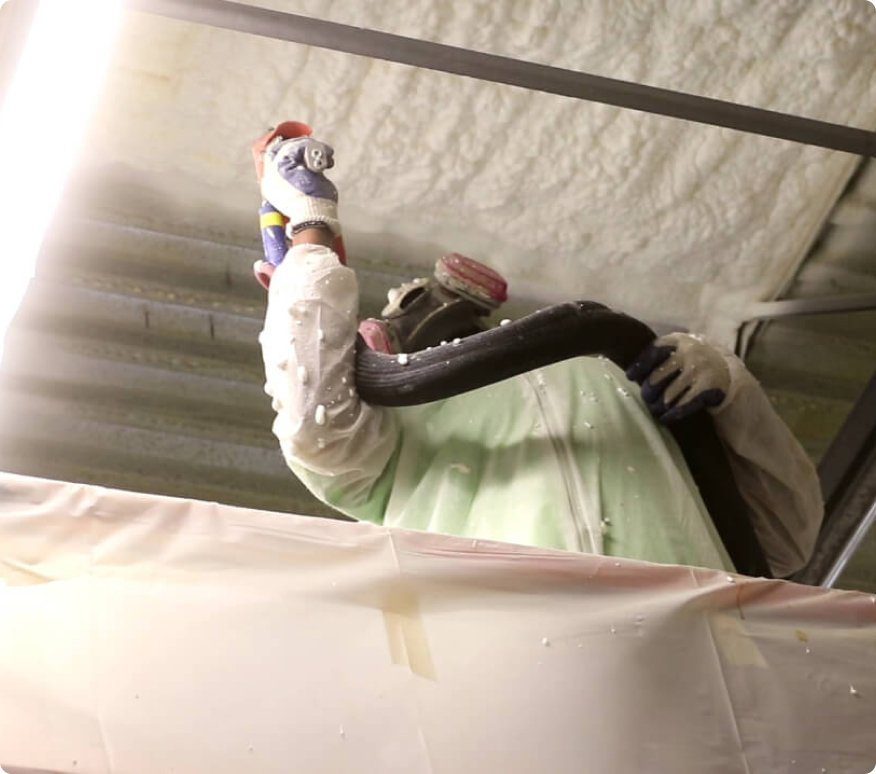
Enhanced Comfort
Stay cozy inside, no matter the weather outside.
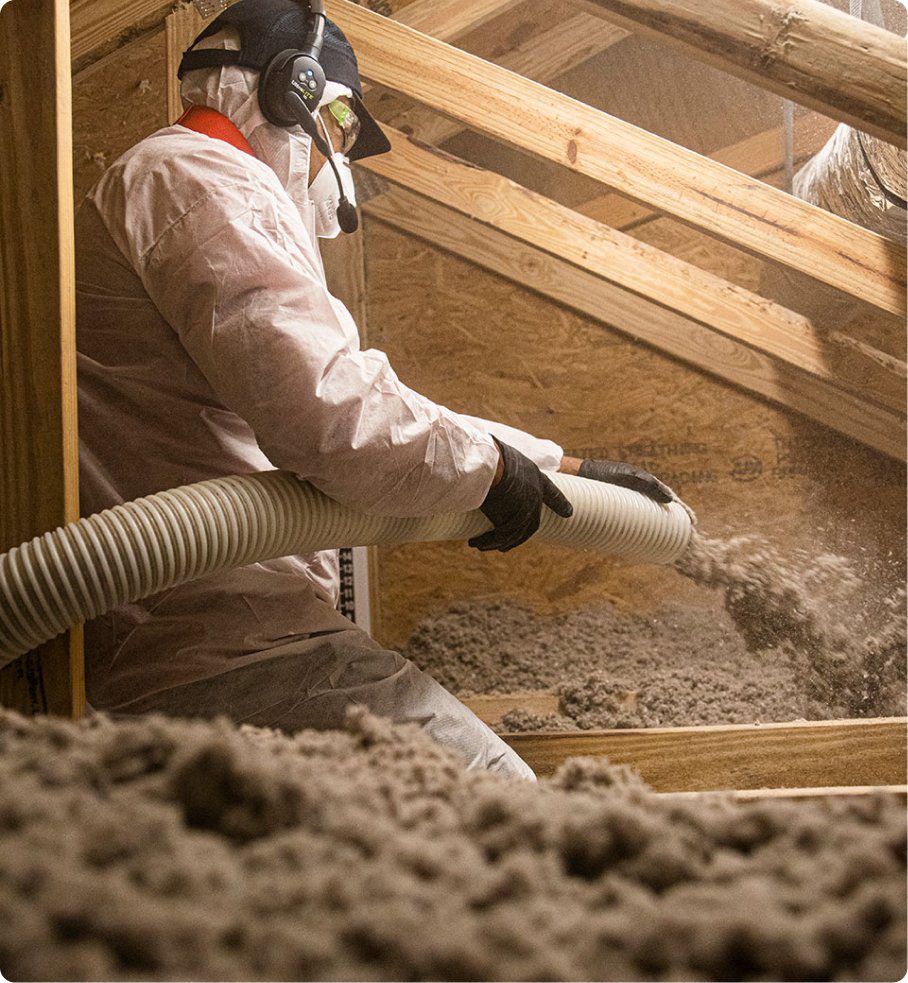
Energy Savings
Save on your energy bills while keeping your home comfy all year.
Reduced Noise
We use top-quality insulation to give you lasting results.
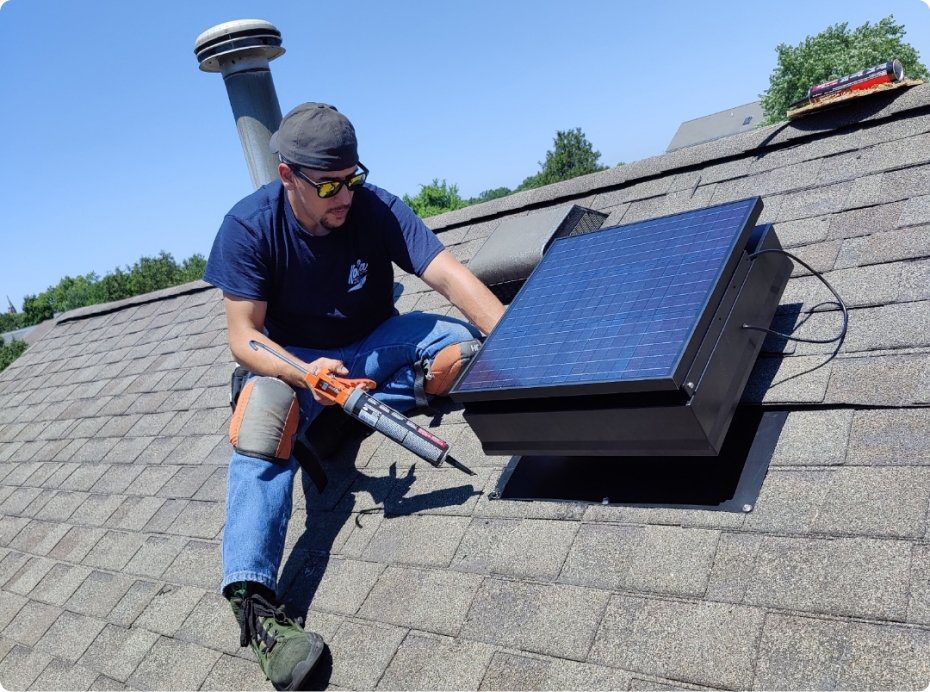
Eco Friendly
Choose insulation that’s better for your home and the planet, such as solar-powered attic fans.
Your Satisfaction is
Your Comfort and Confidence Are Our Top Priority
See what customers say about Koala Insulation’s communication, workmanship, cleanliness, and professional insulation service. Every project starts with a clear assessment and ends with a final review of the completed scope.


Sean R
15:40 22 May 25
Kyle came to my house to give me a quote for adding insulation in my attic. He explained the options and the total cost. Also, he pointed out a tax credit for adding insulation along with where to find the IRS Form.
Chris and Dre showed up the next day to do the job. Both were very professional and efficient during the process of adding more insulation.
I highly recommend Koala Insulation of Melbourne and Orlando.
Chris and Dre showed up the next day to do the job. Both were very professional and efficient during the process of adding more insulation.
I highly recommend Koala Insulation of Melbourne and Orlando.

Diane Pleuss
17:33 21 Apr 25
Trent Schwenn’s middle name should be customer service! He has a heart for genuinely helping people.
As the owner of Koala Insulation, he is professional, as is his well-trained staff. You can trust his crew to use quality materials and ensure energy-saving solutions.
Plus, they use eco-friendly products to help make your home or business more energy efficient.
There’s lots more I could add, but I suggest you check them out yourself
As the owner of Koala Insulation, he is professional, as is his well-trained staff. You can trust his crew to use quality materials and ensure energy-saving solutions.
Plus, they use eco-friendly products to help make your home or business more energy efficient.
There’s lots more I could add, but I suggest you check them out yourself

Candace Terry
21:31 04 Feb 25
I had an excellent experience working with Koala. They were prompt with their services and delivered as they said. I recommend their services to those looking.

Conner Ivan
14:19 25 Sep 24
I want to give a HUGE!!!! Shout out! to James and Josh for all the training and knowledge they gave me while I was at Headquarters. I really can’t say enough good about these two guys. I highly recommend going to the spray foam boot camp training. I learned ALOT and had a GREAT! time as well. I appreciate you both more then you know and thank you guys again!!!!! Also thank you to everyone at headquarters for being such great hostess’s. Amazing! Experience! I will never forget it! THANK YOU!!!! KOALA! HEADQUARTERS!!!!!!!

Toni Nick
20:05 17 Sep 24
We had a fantastic experience with Koala Insulation, especially thanks to Kyle. From the moment he arrived, he was incredibly polite and professional. He took the time to explain the entire process to us, answered all our questions with patience, and made sure I felt comfortable with every step. It's rare to find such courteous and respectful service nowadays, and Kyle truly went above and beyond. I will be recommending this buisness to our friends and family!

Leira Wilkerson
14:31 10 Jul 24
Chris and Dre came on time with a quick turn around on scheduling. They took time to show us and explain everything which was appreciated.

Robert Macniven
10:56 03 Jun 24

Glad Tidings
19:38 13 May 24
Hired Koala to update my attic insulation to R38, install a solar attic fan and add insulation to my garage. Excellent job, there were well worth the money. I recommend this business.

Bonnie Cameron
15:53 08 Apr 24
Fantastic customer service! Excellent price! Mike and Connor arrived on time, did an exceptional job even doing a couple things that I didn’t know needed to be done in my attic, and left everything very clean. They were polite and wonderful the entire time they were here. Excellent work, excellent price, and would definitely recommend them as a great company to use.
Get a Quote
Ready to improve comfort in a Las Cruces home, shop, or commercial building? Work with a local team that evaluates the full assembly before recommending spray foam. Schedule a free assessment with Koala Insulation of Las Cruces today!
Frequently Asked Questions
Las Cruces Spray Foam Insulation FAQs
Get all your questions answered by our local experts. If we didn’t address your question here, give us a call at 575-235-3255 or schedule a free quote today!
Is spray foam right for my attic in Las Cruces?
It can be, especially when attic air leakage and high roof temperatures are contributing to hot rooms, long HVAC run times, or dusty air paths. The first decision is where the home’s thermal and air boundary should be.
- Vented attic: Air sealing and insulation may belong at the attic floor.
- Unvented attic: Spray foam may be designed at the roof deck so ducts and equipment are inside the enclosure.
- Before installation: Roof leaks, unsafe wiring, damaged decking, and moisture problems should be corrected.
We also consider the roof assembly, HVAC and combustion equipment, ventilation, product type, target thickness, required coverings, and any roof-warranty conditions before recommending open-cell or closed-cell foam.

How much does spray foam insulation cost in Las Cruces?
Spray foam pricing is project-specific, so a square-foot estimate without seeing the assembly can be misleading. The largest cost drivers are the foam type, required thickness, total board feet, access, substrate preparation, removal of old insulation, masking and ventilation, and any code-required ignition or thermal barrier.
A small air-sealing application can have a very different scope from converting an entire roof deck or insulating a metal building. Koala Insulation of Las Cruces provides a written assessment and quote that identifies the proposed product, application area, thickness, preparation, and exclusions before work begins.
Free Insulation Assessment
The Koala Insulation efficiency experts will perform a thorough examination of your home’s current efficiency.
Should I use open-cell or closed-cell spray foam in Southern New Mexico?
The right choice depends on the assembly rather than the city name alone.
- Open-cell foam is lighter, more vapor-permeable, and often useful in interior framed cavities where drying potential and sound absorption are priorities.
- Closed-cell foam is denser, provides more thermal resistance per inch, and generally has lower vapor permeance at suitable thicknesses. It may be useful in tight cavities, metal buildings, and selected masonry or exterior applications.
Product data, substrate, expected temperatures, moisture exposure, code requirements, and the building’s drying path all matter. We explain those tradeoffs before specifying either foam.

Can spray foam be used in adobe, stucco, or masonry homes in Las Cruces?
Sometimes, but these assemblies require a moisture-aware plan. Historic adobe and mass masonry manage moisture differently from a conventional framed wall, and an impermeable layer in the wrong location can reduce the wall’s ability to dry. Stucco also does not prove that the wall behind it is dry or sound.
Before recommending foam, we look for rising damp, roof and parapet leaks, plumbing leaks, damaged finishes, and the direction in which the assembly can dry. Historic properties in Mesquite, Alameda-Depot, Mesilla Park, and other preservation areas may also require coordination with local review requirements. Spray foam should not be used to cover unresolved moisture or deterioration.
Free Insulation Assessment
The Koala Insulation efficiency experts will perform a thorough examination of your home’s current efficiency.
Will spray foam help with Las Cruces heat and daily temperature swings?
Spray foam can help by reducing heat flow and sealing gaps that allow hot outdoor air to enter or conditioned air to escape. That can improve room-to-room consistency in homes exposed to intense sun and large day-to-night temperature changes.
Results still depend on the entire building: roof color and condition, windows, shading, ducts, HVAC sizing, thermostat settings, and existing insulation all affect comfort and energy use. We do not promise a fixed bill reduction; the assessment identifies which leakage and insulation problems are most likely to matter for your property.
Is spray foam insulation safe?
Spray polyurethane foam requires controlled professional installation. During application, unprotected occupants and workers should stay out of the work area, installers need appropriate protective equipment, and the space must be isolated and ventilated according to the product and project plan.
Re-entry is not governed by one universal 24- or 48-hour rule. It depends on the specific product, amount applied, cure conditions, ventilation, cleanup, and manufacturer guidance. We document the product used and communicate the re-entry requirements for the project. Persistent odor or other concerns after installation should be reported promptly so the application and ventilation can be reviewed.
Can spray foam reduce dust and wind-driven air leakage?
Yes, when the foam forms a continuous air-control layer at the actual leakage paths. Sealing top plates, penetrations, roof-wall transitions, and other gaps can reduce uncontrolled entry of outdoor dust and pollen during windy Southern New Mexico weather.
Air sealing is not the same as air cleaning. Filters still need maintenance, and a tighter building may need planned fresh-air ventilation or combustion-safety adjustments. We evaluate those systems instead of treating spray foam as a stand-alone indoor-air-quality cure.


Mold and Mildew Removal with Koala Insulation
Watch Now
Free Insulation Assessment
The Koala Insulation efficiency experts will perform a thorough examination of your home’s current efficiency.
Will spray foam stop monsoon roof leaks?
No. Spray foam insulation is not a substitute for roofing, flashing, drainage, or waterproofing. Active leaks should be located and repaired before foam is installed, because covering a wet or failing assembly can trap moisture or make future leak detection more difficult.
Closed-cell foam may resist incidental water absorption better than open-cell foam, but it should not be used to hide a roof, parapet, plumbing, or drainage problem. The substrate must be suitable, clean, and dry enough for the specified product.

Do rim joists and framing transitions need an airtight seal?
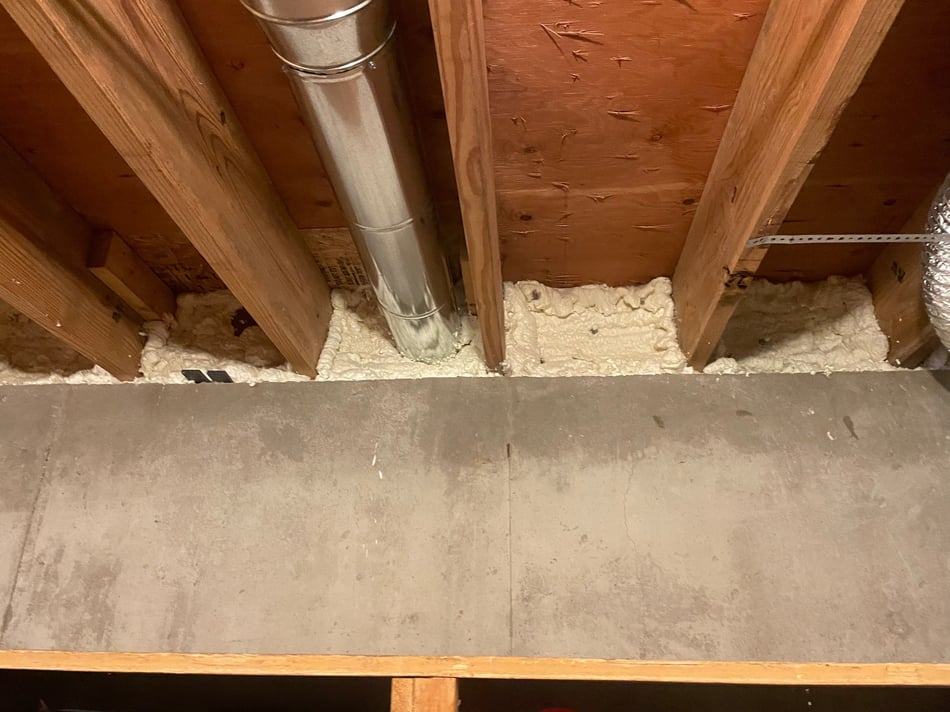
Where a home has a framed floor system, rim joists and foundation-to-framing transitions are common air-leakage locations. Spray foam can follow irregular surfaces and create continuity between the foundation, sill, and floor framing when the assembly is accessible and dry.
Many Las Cruces homes are slab-on-grade and do not have a conventional rim joist. In those homes, the important leakage paths may be attic penetrations, wall top plates, garage transitions, recessed features, or utility openings. The assessment targets the actual enclosure rather than applying the same detail to every house.

Free Insulation Assessment
The Koala Insulation efficiency experts will perform a thorough examination of your home’s current efficiency.
Is spray foam insulation flammable?
Spray foam is a combustible building material. Fire-retardant additives can affect test performance, but they do not make the foam fireproof. Building codes commonly require an approved thermal barrier, ignition barrier, or tested protective coating depending on where the foam is installed and how the space is used.
The project plan should identify the required protection and any interfaces with heat-producing equipment, chimneys, flues, recessed fixtures, and electrical components. Those clearances and coverings are part of a compliant installation, not optional finishing details.

Can spray foam insulation be painted or left exposed?
Cured spray foam can sometimes be coated or painted after the surface is clean, dry, and prepared according to both the foam and coating manufacturers. Compatibility matters because some coatings may not bond well or may affect the foam.
Ordinary paint does not automatically satisfy fire-protection requirements. If an ignition-barrier or thermal-barrier coating is required, it must be an approved product installed at its tested coverage. In many occupied or accessible locations, drywall or another approved assembly may be required instead of exposed foam.

How long does spray foam insulation last?
Properly selected and installed spray foam can remain effective for decades because it adheres to the substrate and does not settle like loose-fill insulation. There is no responsible universal lifespan number for every product and assembly.
Durability depends on correct mixing and application, a sound substrate, protection from sunlight and fire exposure, and keeping the building dry. Foam should be inspected after roof leaks, remodeling, pest damage, fire or heat exposure, or any event that may have affected the assembly. Product and workmanship warranties should be reviewed for their actual terms.
What are the best spray foam applications around Las Cruces?
Spray foam is most useful where a continuous air seal and insulation layer are difficult to achieve with cut-and-fit materials. Common candidates include:
- Attic floors or roof decks after the venting and enclosure strategy is established.
- Metal shops and commercial buildings where condensation, temperature control, and required coverings are addressed.
- Wall cavities and additions with irregular framing or limited depth.
- Framing transitions and penetrations that are difficult to seal with rigid materials.
- Selected crawl spaces or raised floors after drainage and ground moisture are controlled.
Conventional blown-in or batt insulation may be the better value in large, simple, accessible cavities. Our estimate compares the options rather than assuming spray foam belongs everywhere.
Can I install spray foam insulation myself?
Whole-attic, wall, crawl-space, and roof-deck spray foam should be treated as professional work. Two-component systems require protective equipment, work-area isolation, directed ventilation, substrate and chemical temperature control, equipment calibration, lift-thickness control, and inspection for off-ratio or poorly adhered foam.
One-component canned foam can be appropriate for small gaps when used exactly as labeled, but it is not a substitute for a designed insulation system. DIY errors can create odors, concealed moisture, fire-code issues, uneven coverage, or expensive removal. A professional assessment is the safer way to determine whether foam is appropriate at all.

Free Insulation Assessment
The Koala Insulation efficiency experts will perform a thorough examination of your home’s current efficiency.
Insulation Education
Learn why insulation is critical to your home’s energy efficiency and your family’s comfort.
Learn More
Get a quote
Ready to start your insulation project? Get a free quote from your local Koala Insulation team today.