
The Engineered Crawl Space: A Technical Guide to Indoor Air Quality and Structural Integrity in the Up-state of South Carolina
Introduction
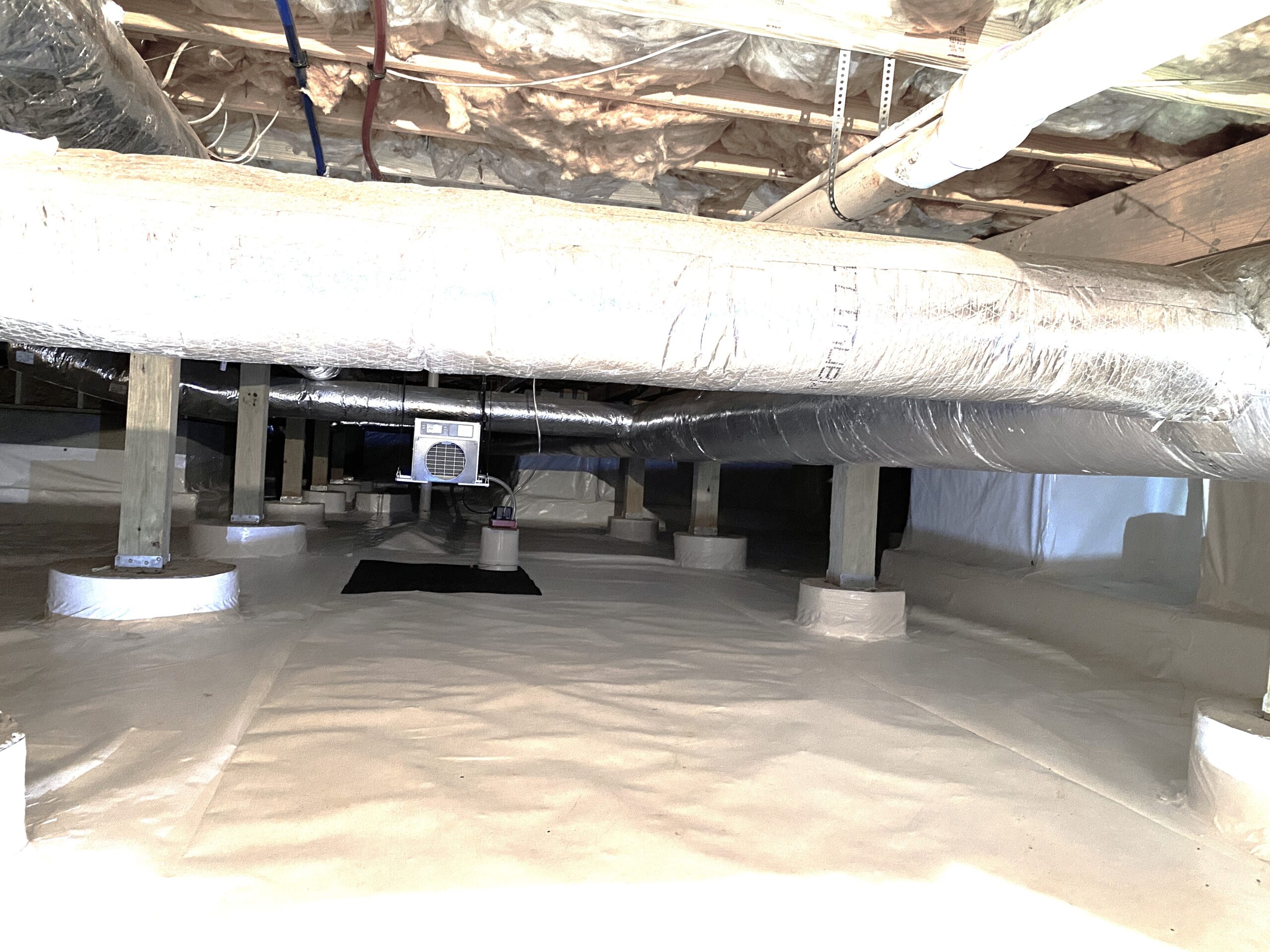
The crawl space is the most neglected, yet most critical, component of your home’s building envelope. Often dismissed as a dark, damp “mud pit”, this area dictates the air quality of the living space above and the longevity of the structural foundation. When the crawl space is not properly isolated, it acts as a chimney for the entire home, pulling damp, contaminated air upward through floors and wall cavities through a phenomenon known as the “stack effect”.
Chapter 1: The Symptoms
Homeowners often encounter warning signs long before they realize the root cause lies beneath their feet. Recognizing these symptoms early is critical for preventing more extensive structural damage.
The most common indicators include:
Ready to start your insulation project?
- Atmospheric & Comfort Issues: Many homeowners first notice elevated humidity levels in the living area, an unexplained increase in cooling and heating costs during the summer and winter, or a persistent “musty” odor that permeates the home.
- Structural Red Flags: Floors that feel “bouncy,” sag, or become uneven are significant indicators of potential structural compromise, often caused by moisture-weakened joists or wood rot.
- Visible Moisture Indicators: Direct signs of a compromised envelope include condensation on ductwork or pipes, the presence of standing water or mud after rain, and insulation that appears wet, discolored, or has fallen from the floor joists.
- Pest Activity: The dark, damp, and unsealed environment of a compromised crawl space acts as a magnet for pests. We frequently encounter tunnels and active nests tucked directly into the fiberglass batt insulation, alongside other telltale signs like rodent droppings, gnawed wiring, or mud tubes—all clear indicators that your home’s underbelly has been breached.
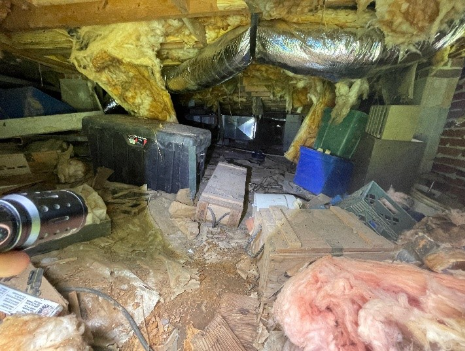
Figure 1.1: Pre-Remediation Baseline — Typical crawl space conditions, including compromised fiberglass insulation, moisture-trapping debris, and inefficient thermal barriers.
Chapter 2: The Diagnosis – The Physics of Failure
To understand why your home is failing, we must look at how moisture enters your crawl space through three primary channels:
- Atmospheric Infiltration: Our region is a high-humidity belt where summer conditions frequently reach 90°F with 85% relative humidity. Passive vents allow hot, damp air to flow freely into your crawl space, effectively bringing the outdoor climate directly under your floorboards.
- Ground Migration: Moisture constantly migrates upward from the earth, through the soil, your piers and the foundation walls themselves.
- Hydrostatic & Surface Pressure: Rainwater often collects against the foundation due to poor grading or failing gutter systems. This creates hydrostatic pressure that forces water directly through masonry walls and into the crawl space.
The Condensation Disaster
Once this massive volume of moisture and warm air is trapped, the physics of your home take a destructive turn. When that warm, damp air contacts colder surfaces—like your ductwork, air handlers, water pipes, and the sub-floor itself—water condenses. Just as an ice-cold beverage “sweats” on a hot summer day, these surfaces become major condensation points. This is exactly why joists rot, why mold thrives, and why your fiberglass insulation becomes a heavy, saturated sponge that eventually falls from the floor joists.
Chapter 3: The Treatment Plan
Having diagnosed the root causes and physical mechanics of crawl space failure, we now transition to the solution. We encapsulate the crawl space to stop humidity from entering and install a dehumidifier to actively control any remaining moisture. We don’t just block the problem; we manage the environment. Our solution is a multi-phased, engineered approach designed to transform your crawl space from a vulnerable liability into a stable, controlled environment:
Phase I: Site Preparation & Remediation
Every high-quality project starts with great preparation; it is the foundation of our entire process.
- Insulation Removal: We remove all old, saturated, or contaminated fiberglass insulation from the subfloor to eliminate moisture reservoirs and fungal breeding grounds.
- Remediation: We treat all affected surfaces with a botanical, broad-spectrum disinfectant. This nonabrasive, environmentally friendly solution kills 99.9% of bacteria, viruses, and fungi without the use of harsh chemicals like chlorine or phosphates.
- Site Conditioning: We clean and level the crawl space floor to create the optimal base for the moisture control systems.
Phase II: Hydrostatic Pressure Relief
We manage water at the source. If standing water or high moisture is present, we install a high-capacity water management system. We excavate a trench along the interior foundation walls to install a high-performance strip drain, backfilling the area with gravel to promote drainage. To ensure total moisture control, we use dimple matts to guide water from the center of the crawl space toward the drainage perimeter. All water is directed to a sealed sump pump basin and pumped outside, effectively neutralizing hydrostatic pressure and protecting your foundation from moisture buildup.
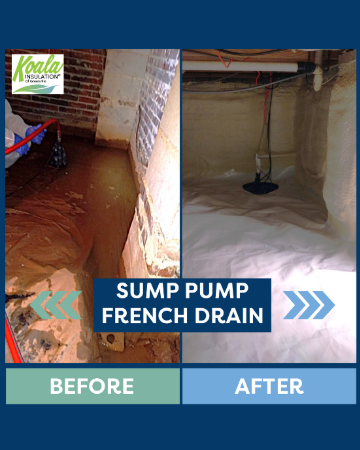
Figure 3.1: Crawl Space Remediation: Sump Pump and French Drain Installation (Before & After)
Phase III: Engineered Isolation
Once the environment is stabilized and remediated, we transition to thermal and atmospheric isolation. This step integrates the crawl space into your home’s controlled mechanical envelope.
- Floor & Pier Vapor Barrier: We install a 16 to 20-mil, 100% woven white vapor barrier across the entire floor, adhering it to the lower foundation walls. To ensure complete decoupling from soil moisture, we wrap piers two-thirds of the way up with a specialized curtain liner, securely tape all seams, and seal the top of the piers with single-component foam.
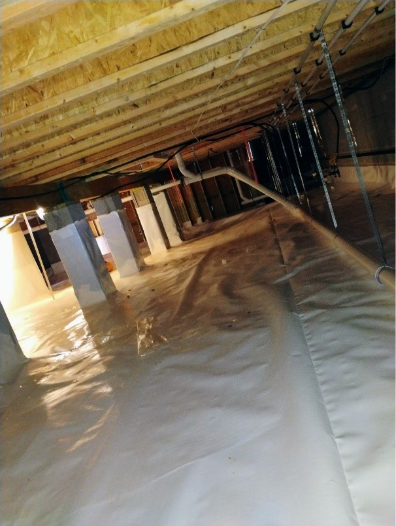
Figure 3.2: Foundation Preparation: Installation of 20-mil reinforced vapor barrier and pier wrapping.
- Dual-Action Wall Encapsulation: This approach creates an airtight, 100% moisture-impermeable barrier while providing high-performance thermal insulation. We seal all crawl space vents with flex foam vent covers to ensure the area is airtight, then apply high-density, closed-cell spray foam at an average depth of 2 inches to achieve approximately R-14 on the foundation walls. Note: To ensure termite warranty compliance, we terminate the foam application 3 to 6 inches below the ceiling plate.
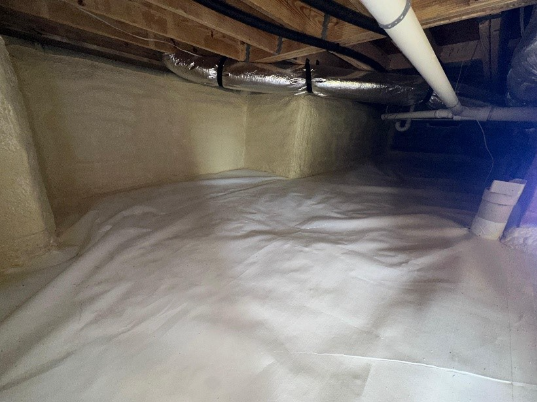
Figure 3.3: Dual-Action Encapsulation — Application of closed-cell spray foam for airtight insulation and moisture control.
Phase IV: Active Humidity Control
To finalize the transformation, we implement an automated atmospheric management system that maintains a consistent 50% relative humidity setpoint. We install AprilAire dehumidifiers with Wi-Fi modules, allowing for real-time monitoring of humidity, unit runtime, and failure alerts. Furthermore, we install condensate pumps and dedicated drain lines that terminate at exterior pop-ups to ensure efficient water removal. To enhance your system, we connect water sensors via Bluetooth to the AprilAire Wi-Fi module, granting you full remote visibility and instant alerts for pump activity or potential water intrusion directly through the app.
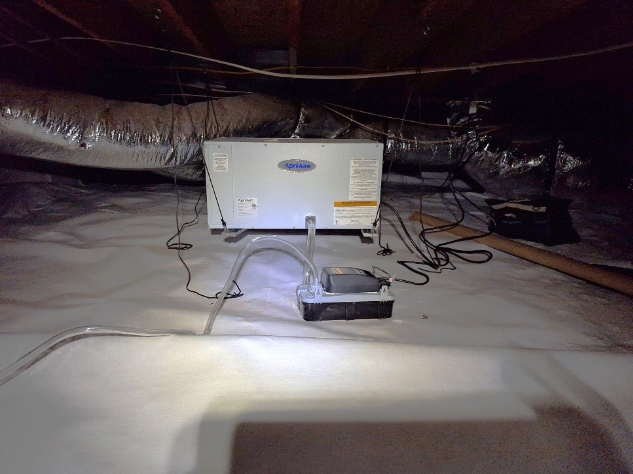
Figure 3.4: Active Humidity Control — Professional installation of AprilAire dehumidification systems to maintain optimal moisture levels.
Chapter 4: The Empirical Data & Financial ROI
The true return on investment for professional crawl space encapsulation is a healthy life and a healthy home. By transforming a vented, moisture-prone crawl space into a conditioned envelope, we move from passive neglect to active, data-driven protection.
The Humidity & Health Connection
We stabilize the crawl space environment, dropping relative humidity from 75% to 50% to inhibit fungal growth and airborne allergens. This stops the “stack effect” from drawing damp, contaminated air into your living space, significantly improving indoor air quality.
Long-Term Protection
Encapsulation safeguards your home’s structural integrity and mechanical efficiency:
- Structural Preservation: Protects wooden framing and foundations, preventing moisture-induced rot before damage escalates into multi-hundred-thousand-dollar repairs.
- HVAC Longevity: Reduces HVAC run-time and prevents corrosive rust and condensation, typically extending the lifespan of your system by approximately 25%.
- Pest & Odor Control: Eliminates the moisture and shelter that attract pests while removing musty, fungal-related odors.
Find Your Location



Get a quote