
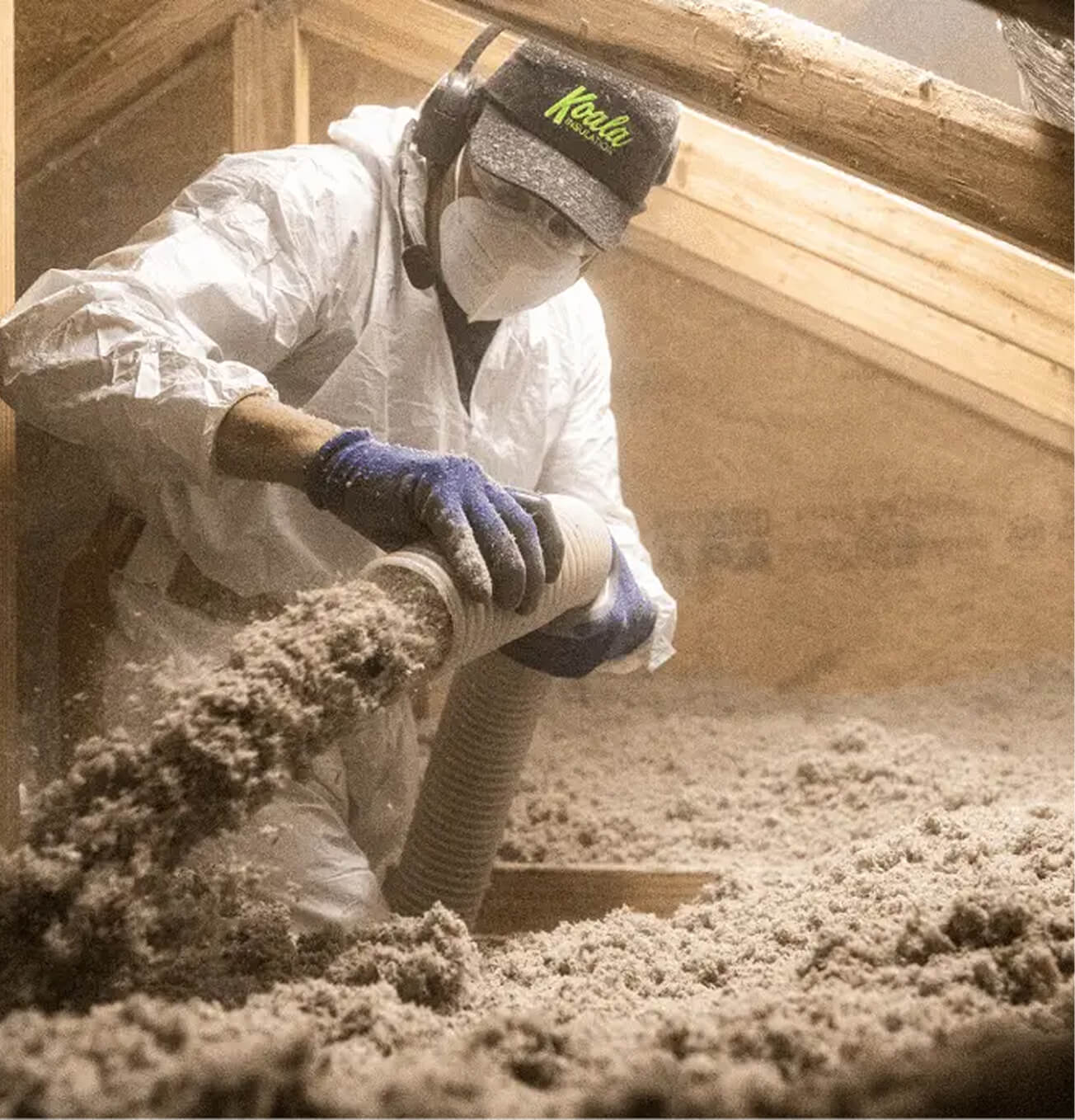

Resists Conduction: The added depth acts like a winter coat for your East Valley home, slowing conductive heat flow through the ceiling so comfort holds even when 100-plus-degree summer stretches arrives.
Trusted Blown-In Insulation in the East Valley
Let Our Insulation Experts Show You The Many Benefits Of Our High Performance Insulation.
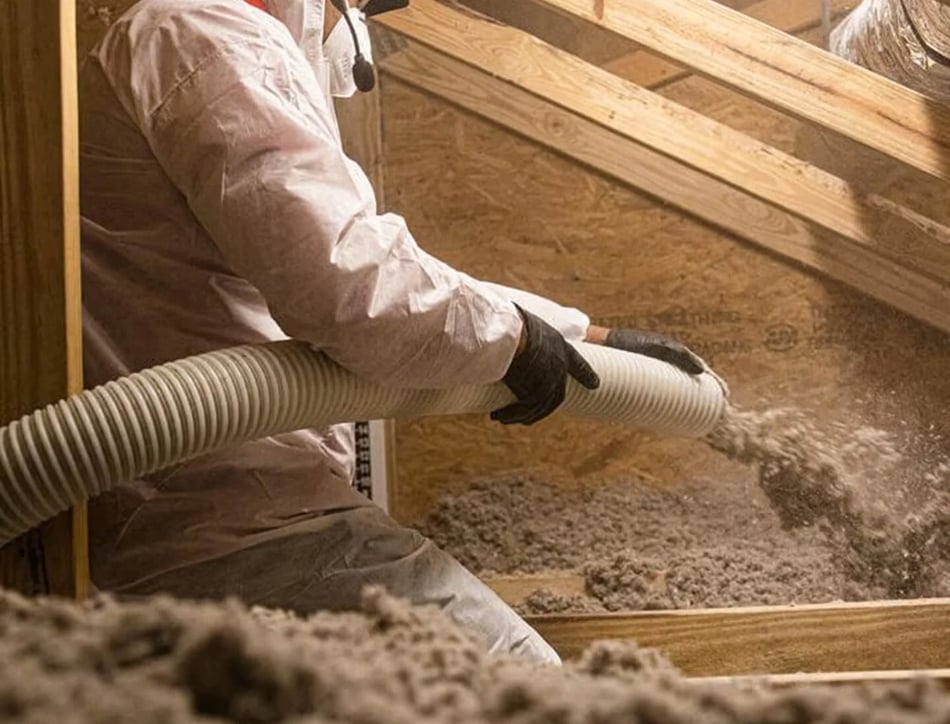
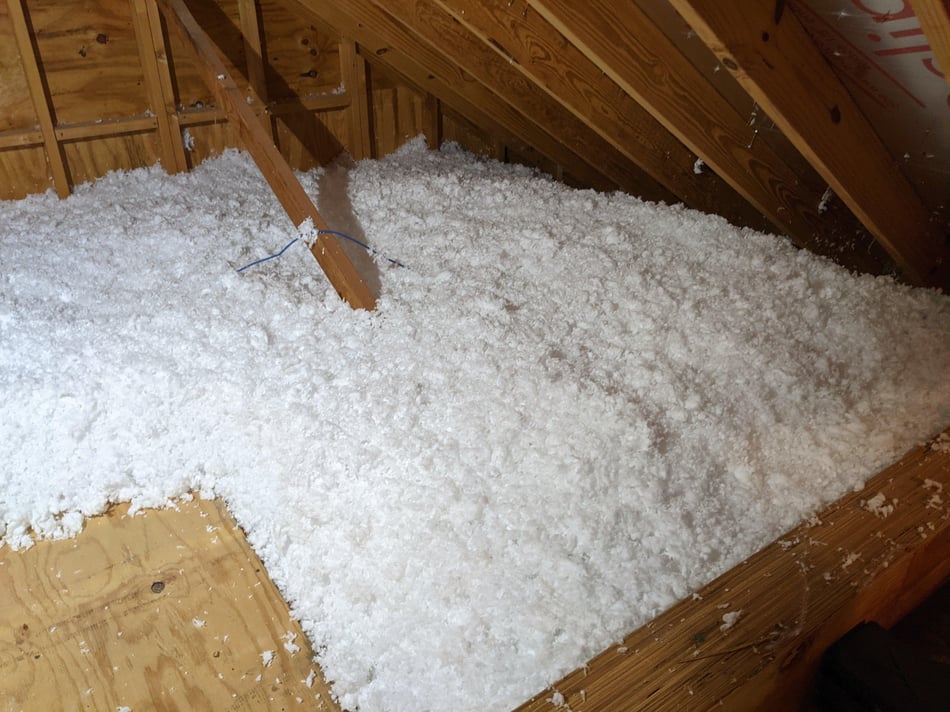
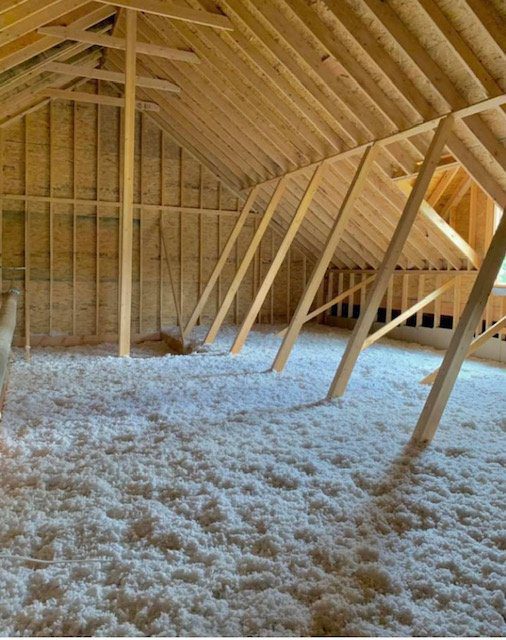
If your East Valley home never seems to hold a comfortable temperature, thin attic insulation is often the culprit. Blown-in insulation, sometimes called loose-fill, is installed with a hose system that distributes a deep, even layer across your attic floor in just a few hours.
It works beautifully over existing insulation, in new spaces, and in hard-to-reach cavities, and Koala Insulation of The East Valley is ready to help.
Get a Free Estimate


Trusted
Local Blown-In Insulation Experts in the East Valley

The East Valley’s brutal desert heat and 100-plus-degree summer stretches can make your home feel uncomfortable and your air conditioner run nonstop. Yet plenty of local attics hold just a few inches of old, settled insulation, well short of what today’s guidelines call for.
Blown-in insulation is ideal for:
Attic floors to quickly boost your R-value to modern standards.
Knee walls & sloped ceilings where batts are tough to fit.
Wall cavities in certain retrofit projects, following industry best practices.
A Superior
Whole-Home Thermal Upgrade
For East Valley homeowners and businesses, blown-in insulation is one of the most effective efficiency upgrades available. The loose-fill material spreads into a seamless blanket across the attic floor or inside cavities, covering old insulation and bare framing alike with fast, uniform protection against 100-plus-degree summer stretches.
These capabilities define the insulation type:
Reduces Air Infiltration: With Koala’s air sealing working alongside it, the insulation layer helps shut down the framing and wiring gaps that let outside air slip into homes in the East Valley.
Limits Condensation: Better attic R-value plus preserved ventilation means fewer cold surfaces where moisture can condense, protecting both your East Valley home and the insulation itself.
Advantages Of
Blown-In Insulation in the East Valley
Between 100-plus-degree summer stretches and desert sun, homes in the East Valley work hard to stay comfortable. Blown-in insulation helps by installing quickly, topping off existing layers, and supporting lower energy costs with year-round comfort. Additional advantages include:

Improved Air Quality
An insulated, air-sealed attic is a cleaner attic. Closing the pathways around fixtures, wiring, and the attic hatch helps keep dusty, unconditioned air out of your East Valley home.

Water & Fire Resistance
Our blown-in materials are engineered with fire safety in mind, and installation matters just as much: we keep proper clearances at recessed lights, chimneys, and other heat sources, following local codes and manufacturer specifications on every job in the East Valley.

Pest and Wildlife Protection
Worried about unwanted attic guests? Cellulose is the one blown-in material treated with pest-deterrent additives, and pairing it with thorough air sealing helps keep insects and critters out of attics in the East Valley.

Soundproofing
A thicker attic blanket also means a quieter home. Blown-in insulation muffles exterior noise and softens sound transfer between floors, a difference you will notice whether the noise comes from the street outside your East Valley home or the bonus room upstairs.

Environmentally Friendly
Choosing blown-in is an environmentally friendly move for East Valley homeowners. The material itself is manufactured from recycled content, and by trimming the energy needed to heat and cool your home (studies cite reductions of up to 40%), it shrinks your carbon footprint season after season.
The East Valley’s Easy 4-Step
Blown-In Insulation Process

Free Attic Assessment
It all starts with a free visit: our team evaluates your current insulation levels and overall efficiency so recommendations fit your East Valley home, not a template.
- Prep for Safe InstallationStep one is protecting your home and setting the stage: covered floors and walkways, safe attic access, and depth markers placed across the space. When ventilation calls for it, we install eave baffles so the new insulation never chokes off soffit airflow in the East Valley.
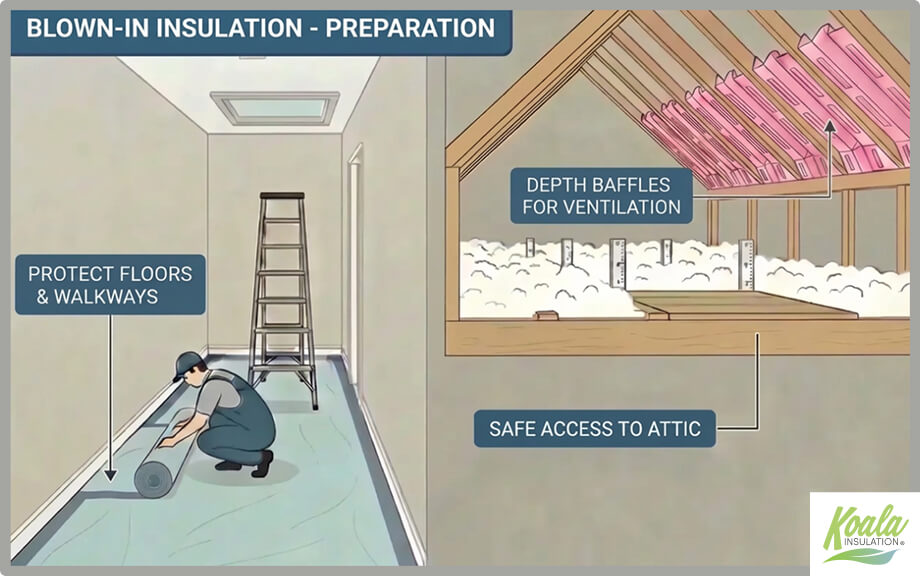
Koala Difference: Protecting your East Valley home up front means better insulation performance later, and no post-project cleanup left on your plate.
- Seal the Leaks FirstInsulation works best over a sealed attic, so before any material goes in, we close the leaks our thermography detection flags in your East Valley home: plumbing penetrations, wiring holes, recessed lights, and the attic access itself.
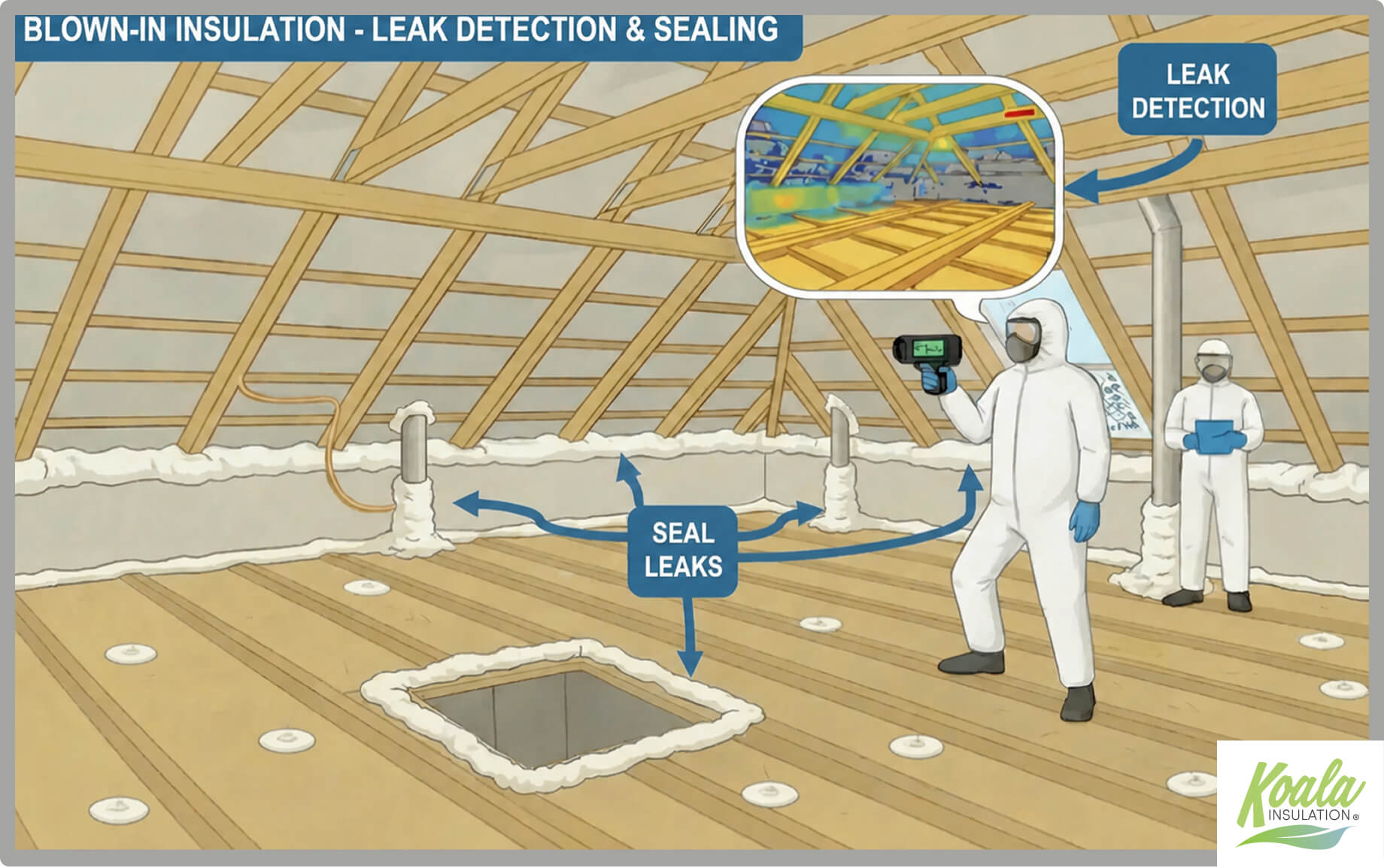
Koala Difference: Anyone can add material. Sealing first is how East Valley homeowners get full value from every inch of new insulation.
- Blow In & Level the InsulationNow the insulation goes in. Our installers work methodically across the attic, blowing material to the specified depth and R-value, feathering it into corners and tight spots, and checking depth markers until coverage is uniform across your East Valley home.
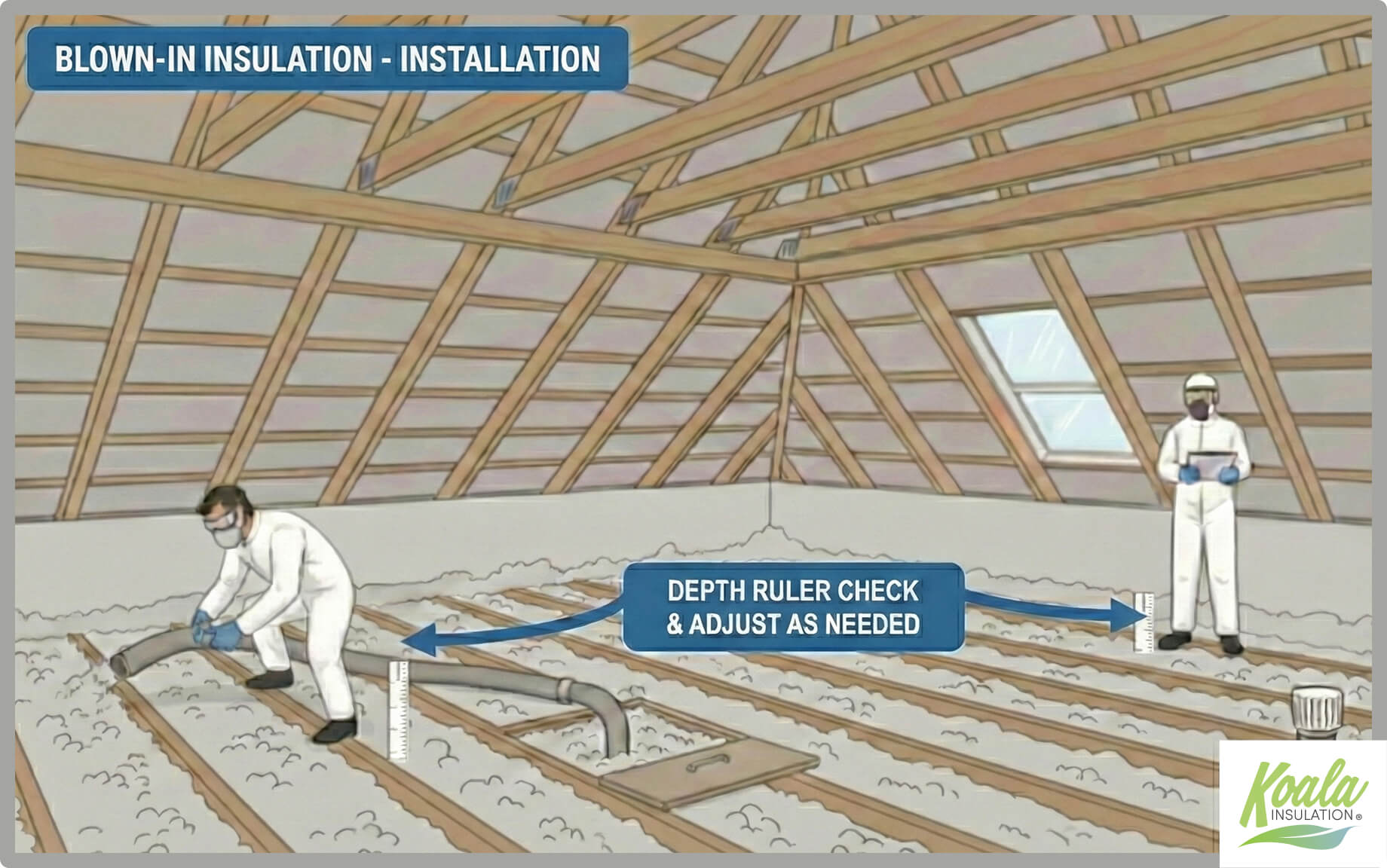
Koala Difference: Coverage is everything. We take the time to verify depth and consistency so your East Valley home is not left with “thin spots” that reduce performance.
- Clean the Site & Review
Once the target depth is confirmed, we vacuum the work area, pack out all equipment, and verify the attic access is sealed tight. Then we walk you through the project at your East Valley home, share before-and-after photos when available, and answer any questions about your new insulation.
Koala Difference: Consider us a long-term resource: future questions, maintenance advice, and guidance on rebates or tax credits that may apply to your project in the East Valley.
Get a Quote
Stop paying to heat and cool the outdoors. Get a free quote from Koala Insulation of The East Valley and see what blown-in insulation can do for your East Valley home!
What to Expect
In 5 Easy Steps
In 5 Easy Steps
What to Expect
In 5 Easy Steps

Schedule Your Free Evaluation
Contact your nearest Koala Insulation Location, recognized as the #1 trusted insulation expert nationwide. We will discuss your needs and schedule an appointment to provide a free evaluation.

Home Efficiency Assessment & Estimate
One of our friendly insulation experts will perform a thorough home efficiency assessment. Your insulation expert will then review the assessment findings, the science behind these findings, and why any changes are needed. Lastly, your insulation expert will provide the best option that fits your home efficiency needs and your budget.

Schedule Your Insulation Service
We will schedule your insulation service for the soonest availability that fits your schedule because we understand that your home insulation is a priority!

Installation
Our team of highly skilled insulation technicians will install your premium insulation solution in as little as two hours. We treat your home like our own and take time to leave it cleaner than it was before.
Post Installation Inspection
Contact your nearest Koala Insulation Location, recognized as the #1 trusted insulation expert nationwide. We will discuss your needs and schedule an appointment to provide a free evaluation.

Enjoy Your Comfortable & Efficient Home
Enjoy a more efficient home with lower energy bills and improved comfort year-round. Enjoy your improved home stress free knowing that Koala Insulation stands behind their work! Reach out to your Koala Insulation team anytime for support.

Benefits

Enhanced Comfort

Energy Savings

Quality Materials

Eco-Friendly Options
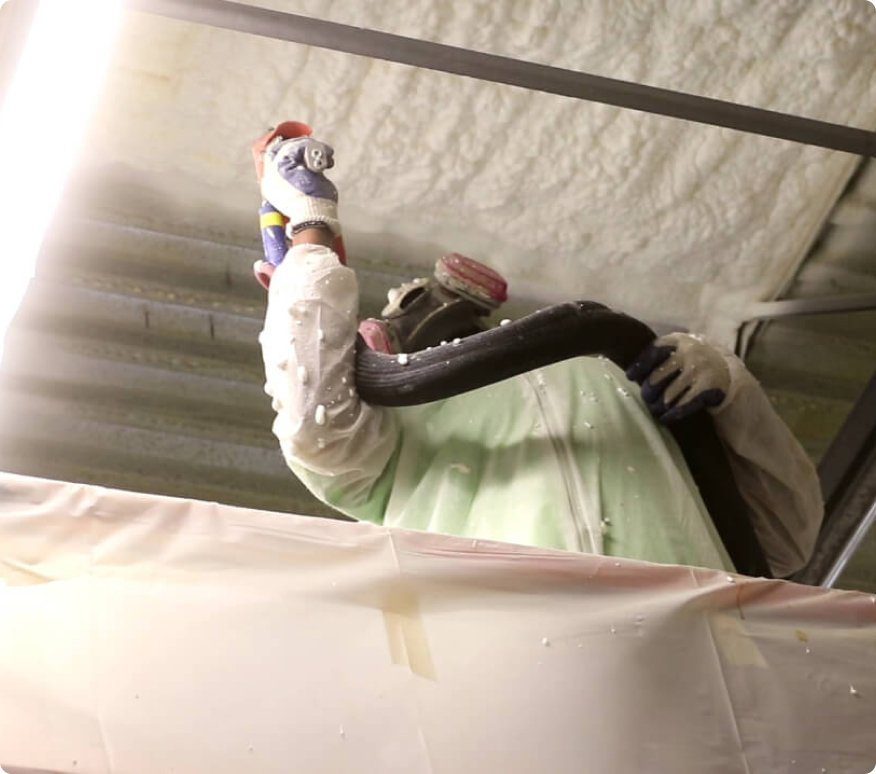
Enhanced Comfort
Stay cozy inside, no matter the weather outside.
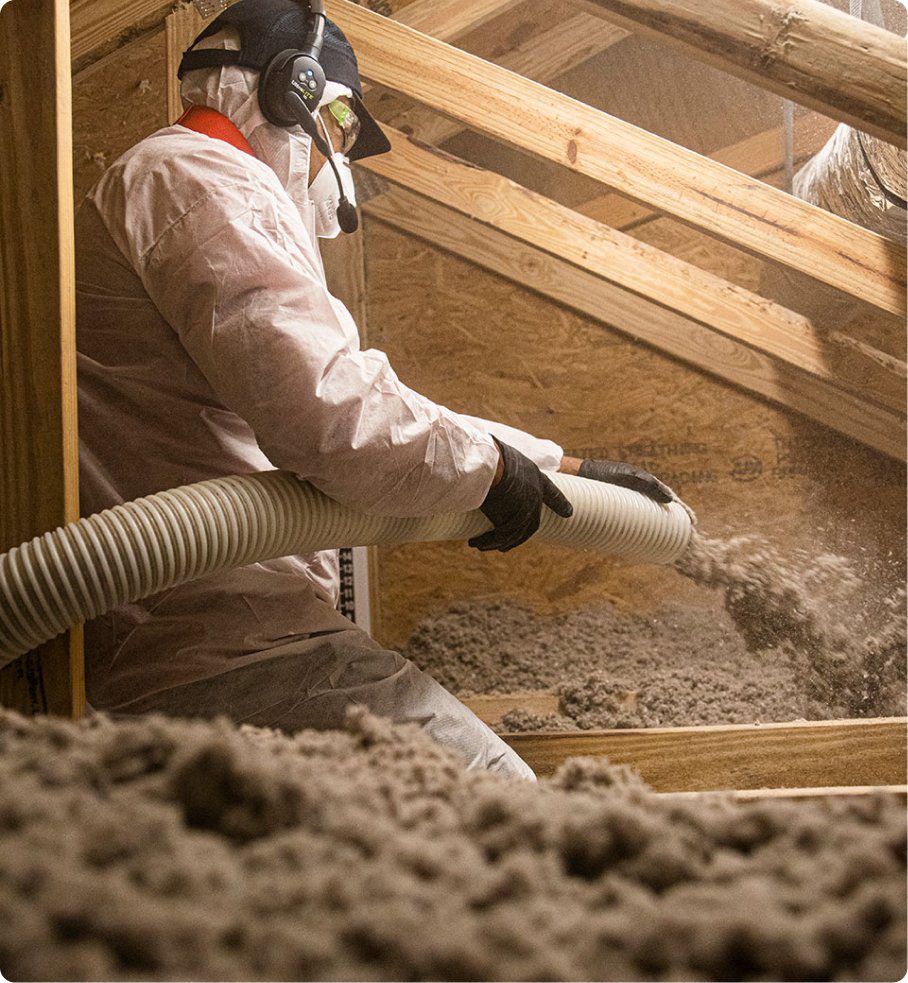
Energy Savings
Save on your energy bills while keeping your home comfy all year.
Reduced Noise
We use top-quality insulation to give you lasting results.
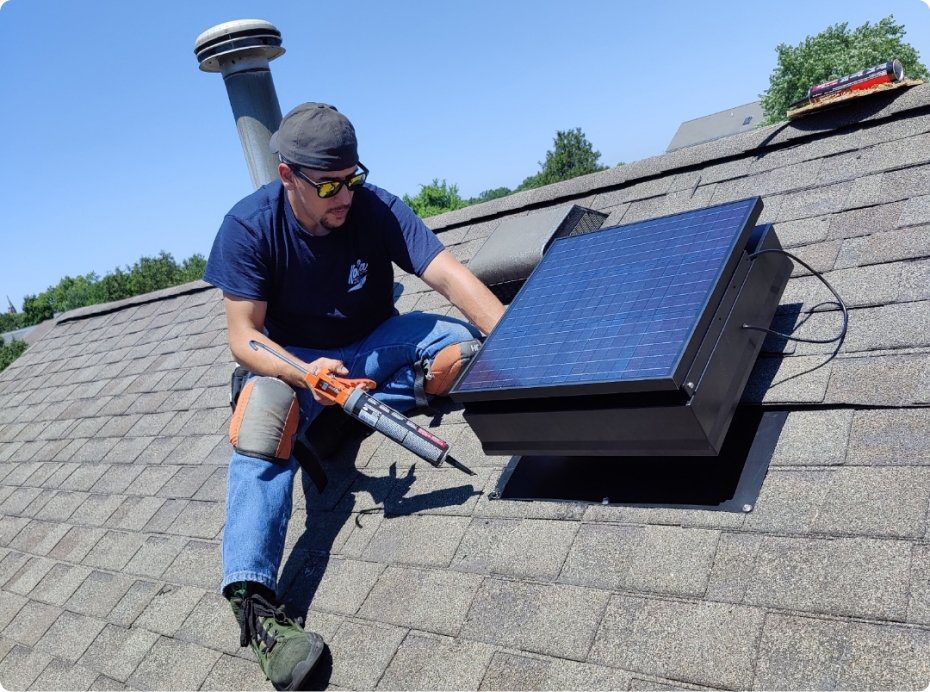
Eco Friendly
Choose insulation that’s better for your home and the planet, such as solar-powered attic fans.
Your Satisfaction is
Our Top Priority
Our favorite reviews come from neighbors. Read what homeowners in the East Valley say about their Koala experience.



Allie Freeman
14:41 27 Aug 26
They came out originally and gave me an estimate and they were willing to work with the SRP⚡️ rebates, which was great. They had a very reasonable price among their competitors, and we’re not pushing at all. They came out and did the work about two weeks later, and we’re fast efficient. Very on top of the communication. Would definitely recommend this business to any friends and family.

Jack Parcell
04:18 31 Jul 26
Koala Insulation of the East Valley completely transformed our two-story home in Gilbert. Our attic had almost no insulation, which made the upstairs unbearably hot. Now every room up there is super comfortable, even in the middle of summer.
Bill and his team were courteous, professional, and took the time to walk us through the entire process so we knew exactly what to expect. They even guided us through getting an SRP rebate, which saved us a good chunk of money on the job. And when they finished, they left the house cleaner than they found it.
Bill and his team were courteous, professional, and took the time to walk us through the entire process so we knew exactly what to expect. They even guided us through getting an SRP rebate, which saved us a good chunk of money on the job. And when they finished, they left the house cleaner than they found it.

Maribel Neri
20:38 07 Jul 26
HIGHLY RECOMMENDED! Service: Insulation & duct repair.
I reached out to 3 insulation companies before making a decision. Out of the 3, Jim and his son Ryan took the most time inspecting, photographing and documenting the issues found in the attic space. I was impressed, not only for the professionalism but the way the explain the findings and the available solutions to address my concerns. Initially, I was thinking about removing the existing insulation but as Jim expressed, the $ was better spent on things that actually would improve the environment and decrease my electric bill. Koala's pricing was very competitive and affordable. They crew that came in on install day was professional and neat. We noticed a significant improvement on noise reduction (which was not something I thought about or expected). The AC is not kicking on and off every 10 minutes like it used to! In addition to the installation of insulation in the attic, Koala repaired a leaky duct which improved the airflow into the home.
I could not be happier with the results and the improvement, the energy savings but most important the attentiveness from everyone I came in contact with during this process! THANK YOU!!!! Check out the before and after pictures :)
I reached out to 3 insulation companies before making a decision. Out of the 3, Jim and his son Ryan took the most time inspecting, photographing and documenting the issues found in the attic space. I was impressed, not only for the professionalism but the way the explain the findings and the available solutions to address my concerns. Initially, I was thinking about removing the existing insulation but as Jim expressed, the $ was better spent on things that actually would improve the environment and decrease my electric bill. Koala's pricing was very competitive and affordable. They crew that came in on install day was professional and neat. We noticed a significant improvement on noise reduction (which was not something I thought about or expected). The AC is not kicking on and off every 10 minutes like it used to! In addition to the installation of insulation in the attic, Koala repaired a leaky duct which improved the airflow into the home.
I could not be happier with the results and the improvement, the energy savings but most important the attentiveness from everyone I came in contact with during this process! THANK YOU!!!! Check out the before and after pictures :)

Ahmad A
22:05 19 Jun 26
I had an incredible experience with Koala Insulation of The East Valley! Their team came out today for duct sealing and insulation, and I couldn't be more impressed. They were kind, professional, and patient with all of my questions, taking the time to explain exactly what they were doing.
Exceptional Team: The crew was amazing and professional, making me feel comfortable and informed throughout the process.
Personal Touch: Even the owner stopped by to check on the work, which really shows how much they care about quality.
Trustworthy Service: Bill and his brother are clearly good people. After dealing with so many companies that just want to squeeze money out of you, it's refreshing to find a team that treats you with genuine respect and integrity.
I'm so glad I found them and highly recommend their services to anyone looking for honest, high-quality work. God bless this entire company!
Exceptional Team: The crew was amazing and professional, making me feel comfortable and informed throughout the process.
Personal Touch: Even the owner stopped by to check on the work, which really shows how much they care about quality.
Trustworthy Service: Bill and his brother are clearly good people. After dealing with so many companies that just want to squeeze money out of you, it's refreshing to find a team that treats you with genuine respect and integrity.
I'm so glad I found them and highly recommend their services to anyone looking for honest, high-quality work. God bless this entire company!

Marsha Schreiber
15:59 19 Jun 26
I had Koala Insulation Company provide evaluation and installation of blown-in insulation yesterday. They also installed vents and a solar attic fan. Fernanda and his workers were so protective laying plastic everywhere and when they were done, their clean-up was super detailed. They took photos of before and after along with photos of the roof vents and fan. I am so pleased with the results. I can even tell a difference in some of the more warm spots in my house. Kudos to their excellent work and information about the process.

Morgan DeWall
03:45 04 Jun 26
Koala Insulation was excellent. They did an fantastic job start to finish. When they came for the initial estimate they were very thorough and went over alot of different options. They were not pushy with the upsale at all of extras and add ons . Just presented all the options. When they came to do the job they were very quick and did a great job cleaning up afterwards. I didn't even know they were there. Price was very competitive that was the main reason i went with them. I would highly recommend

Jeffrey
23:36 21 Mar 26
Bill came out for an estimate work I thought would be needed, but after he inspected the attic the amount of insulation was less than it should be. Compared to others that had also inspected the attic, he show me three areas of concern - one area was void of insulation. My immediate vibe with Bill is this guy is honest and cares about his customers and the work. Long story short, he was able to schedule me in a few days. The price was fair and far below that of two others that had also inspected my attic. I recommend Koala of the East Valley to anyone reading this. I did get their names, but the two guys who came and completed the job had the same demeanor and vibe as Bill. You can tell it is a good company to do business. Thank you, Koala earned every star given.

EU EU
23:10 18 Mar 26
Shopped around with several companies for attic insulation. I saw that SRP gave a rebate with a few companies and Koala Insulation was one of them. Great price and great service. Highly recommend them.

Alex Lambertz
22:09 16 Mar 26

Marilyn Dewey
18:51 16 Mar 26
We are very pleased with the work Koala did. The salesman that came out to quote the job was very thorough and professional as were the installers. They took before and after pictures to show all the work that was done. Very highly recommend.

Scott Buscher
13:21 05 Mar 26
I want to express my respect and appreciation for Bill Villani and Koala Insulation of the East Valley. After hearing their radio show on how attic performance affects home energy use, I scheduled their free attic evaluation for a home I had just purchased. With a background in building energy performance, I found their explanations on the show to be grounded in solid, proven science.
Based on what I expected to find, I assumed Bill’s inspection would lead to a proposal for a few thousand dollars in insulation or ventilation upgrades. Instead, he showed clear photos demonstrating that the attic already had ample insulation and ventilation, and he explained that no work was needed. That level of honesty is rare and speaks clearly about Koala’s integrity and business ethics.
It’s refreshing to encounter a company that prioritizes accuracy and transparency over making a sale. For anyone concerned about attic health or home energy efficiency, Koala Insulation has earned my trust. Thank you, Bill, and the Koala team.
Based on what I expected to find, I assumed Bill’s inspection would lead to a proposal for a few thousand dollars in insulation or ventilation upgrades. Instead, he showed clear photos demonstrating that the attic already had ample insulation and ventilation, and he explained that no work was needed. That level of honesty is rare and speaks clearly about Koala’s integrity and business ethics.
It’s refreshing to encounter a company that prioritizes accuracy and transparency over making a sale. For anyone concerned about attic health or home energy efficiency, Koala Insulation has earned my trust. Thank you, Bill, and the Koala team.

Mason Braun
19:58 04 Feb 26
Koala insulation completed our home attic insulation upgrade recently and we are extremely satisfied with the price and quality of work. We were able to take advantage of two SRP energy efficiency rebates which reduced our cost significantly. The real test will be a comparison of last years summer cooling bills with this summers upcoming bills but we are confident we will see improvement. Work was completed quickly and post work cleanup was done e nicely. Before and after photos included.

Shirley
16:34 20 Jan 26
Upon hearing from my HVAC company that I needed insulation and duct replacement at a very high cost; I decided for a second opinion. I decided to go directly to an installer to get a second opinion and compare pricing. WOW is all I can say! Not only did I NOT need any duct work, the pricing for the insulation job was a third of the price! Koala had 5 star reviews and completed the job quickly, efficiently and left my home spotless. From the first time I contacted them to completion, the process was what one would expect from an excellent company; not something you find too often these days!
Thank You to the owner, Bill, who came out personally for the quote. You run a great ship! I also appreciate the fact that Koala is a local family run business. Fernanda who apparently runs the front office gave me the confidence I was in the right hands. The 2 techs that came for the Job; Kevin and Ryan were quite efficient and very courteous.
Thank You again!
Thank You to the owner, Bill, who came out personally for the quote. You run a great ship! I also appreciate the fact that Koala is a local family run business. Fernanda who apparently runs the front office gave me the confidence I was in the right hands. The 2 techs that came for the Job; Kevin and Ryan were quite efficient and very courteous.
Thank You again!

Rich Ence
17:21 08 Jan 26
Bill inspected my attic space and discovered that my AC unit was blowing cool air into the attic from a torn seam. He demanded to come back the next day and repair it at no cost. Because of this action, we selected Koala Insulation for our job. After discussing our options we elected to use foam. The owners Bill and Jim were very professional in completing the work. I highly recommend them.

Mike Lonneman
16:04 05 Dec 25
TLDR: High Quality, Professional, Excellent Value. Highly recommend.
I called Koala for a quote to add insulation in my attic due to high AC bills. Bill Villani came out and did a thorough inspection and evaluation of my home, existing insulation levels, asked about hotspots in the house and even asked how long I intended to stay in my home.
He recommended several options, including sealing of ducts and ventilation options as well as handling the SRP rebates. I ended up going with Koala because of this superb experience, competitive rates, and highly skilled and professional demeanor. I had other quotes but their attitude was more of a “we’ll blow in insulation”.
Ryan Villani, Mike Brouse, the Operation Lead, and another tech (didn’t get his name) were all excellent to work with. They came out on the day of install and were fast, efficient, professional and qualified. They completed duct sealing, O’Hagin vent installation, and blown-in fiber glass to R-49 rated standards - all in under three hour from start to finish. They even fixed a missing dryer vent cover missing from my roof - at no charge!! This is the kind of extra care that differentiates them from other companies.
I would HIGHLY recommend Koala insulation.
If you’re on the fence about which Arizona insulation company to go with, just stop searching and go with them. You won’t be disappointed.
I called Koala for a quote to add insulation in my attic due to high AC bills. Bill Villani came out and did a thorough inspection and evaluation of my home, existing insulation levels, asked about hotspots in the house and even asked how long I intended to stay in my home.
He recommended several options, including sealing of ducts and ventilation options as well as handling the SRP rebates. I ended up going with Koala because of this superb experience, competitive rates, and highly skilled and professional demeanor. I had other quotes but their attitude was more of a “we’ll blow in insulation”.
Ryan Villani, Mike Brouse, the Operation Lead, and another tech (didn’t get his name) were all excellent to work with. They came out on the day of install and were fast, efficient, professional and qualified. They completed duct sealing, O’Hagin vent installation, and blown-in fiber glass to R-49 rated standards - all in under three hour from start to finish. They even fixed a missing dryer vent cover missing from my roof - at no charge!! This is the kind of extra care that differentiates them from other companies.
I would HIGHLY recommend Koala insulation.
If you’re on the fence about which Arizona insulation company to go with, just stop searching and go with them. You won’t be disappointed.

john buckley
18:43 02 Jun 25
After getting several estimates, Koala Insulation of the East Valley provided the best value and quality over other compamies. Bill and his crew showed up on time and were very neat, polite and professional. Highly recommended.

Holly Justeson
18:34 29 Apr 25
After a thorough inspection, Bill share multiple options to improve our air flow and insulation. He was professional and informative! After making a decision, we were quickly scheduled for a time that worked well for us. The installers arrived promptly and worked efficiently. They shared lots to pictures to share the quality of work they performed. We are also so happy that we went with a solar attic fan to help cool the air in our attic. Something we learned about from Bill and appreciate his knowledge. We would highly recommend Koala Insulation for anyone who is looking to improve their home's efficiency rating.

Marcus Johnson
19:48 06 Apr 25
We just had spray foam insulation done, and I can honestly say we’re so glad we did it. After getting a few quotes, we chose Koala Insulation because of their great reviews and how easy and knowledgeable Jim (one of the owners) was to talk to. Their price was right in line with the others, but their professionalism and expertise stood out.
Our attic was a bit tricky, but they handled it really well—from the insulation removal to the final spray foam, they took great care of everything. Even better, they were super respectful of our home and really kind to our family.
Huge thanks to Ryan and Mike (techs), Sean and Gabe (spray foam), and Noah (drywall). And a special shoutout to Jim and Bill—great guys and great to work with. It’s already been a few warm days and we’ve noticed a real difference in comfort. Highly recommend these guys!
Our attic was a bit tricky, but they handled it really well—from the insulation removal to the final spray foam, they took great care of everything. Even better, they were super respectful of our home and really kind to our family.
Huge thanks to Ryan and Mike (techs), Sean and Gabe (spray foam), and Noah (drywall). And a special shoutout to Jim and Bill—great guys and great to work with. It’s already been a few warm days and we’ve noticed a real difference in comfort. Highly recommend these guys!

Solstice Fitness
21:42 16 Feb 25
We had our gym insulated by Koala. Loved the experience! They provided a free quote that I felt was a good price so we moved forward. They arrived on time. Did the work in a timely manner. Left the job site clean.
Really enjoyed their work and the crew. Thank you Koala!
Really enjoyed their work and the crew. Thank you Koala!

salvatore cardella
22:44 03 Jan 25
Good job koala in time scheduling professional nicely done and clean 👏.

Dan Le
20:16 03 Jan 25
We are new to the area and on time constraints. Bill came over from the Lowe’s referral. He spent considerable amount of time in the attic with those documents photos of our newly purchased hose with insufficient insulation. He advised of additional insulation with two solar attic fans.
His crew came in a few days and complete all the work in one afternoon.
We appreciate Bill knowledge and professionalism.
His crew came in a few days and complete all the work in one afternoon.
We appreciate Bill knowledge and professionalism.

Doug Ewald
01:06 28 Dec 24
Koala Insulation is a reliable and cost effective alternative. Simeon and the team are very professional, providing timely communications and flexible scheduling.

Rick Royer
22:07 18 Dec 24
Oh m gosh! Koala Insulation of the East Valley goes the extra mile to make a customer totally satisfied. Jim at Koala was extremely helpful in getting my SRP rebate. I would highly recommend Koala Insulation for your Insulation needs. Their crew were very professional and knowledgeable.

Derick Lowe
22:57 16 Dec 24
They did a fantastic job on my spray foam insulation. 10/10 recommend you use them. Now my house can finally stay at temperature and save me tons of money during the hot summer months!

Steven Marks
23:58 17 Oct 24
Koala Insulation did a fabulous job on providing our attic with additional insulation and installing a solar powered attic fan. Bill, the owner, provided us with an honest assessment of our house and recommendations. Simeon and Ryan did the insulation installation and over saw the roofer who installed the fan. They were both great! All are very friendly and dependable! Would recommend without hesitation!

Daniel Kempski
22:58 09 Sep 24
On the scheduled service day, the technicians, Simeon and Ryan texted me to let me know they were on the way. The job entailed increasing the insulation in the attic from 3 inches to 14 inches, and also adding a solar rooftop exhaust fan, to cool the attic temperature on hot days. The guys arrived and went straight to work. They ran a blower hose from the truck up into the attic. They carefully covered handrails by the stairs with blankets to prevent any marks or abrasions. Some of the areas in the attic were very low and hard to reach so they had to carefully crawl forward to feed the hose up to reach those spots.
While they worked on adding the fiberglass insulation, the company roofer arrived and installed the fan. It is just to the left of the skylight in the attached photo. It is low profile and nicely matches my skylight and solar panels.
The guys marked the attic with insulation depth, rulers, and took photos to show the before, and after insulation thickness. When they were finished, they cleaned up any droppings from the attic door. I came upstairs with the vacuum, but did not need it because they had cleaned so thoroughly.
Overall, I am very happy with their professionalism, and with the finished job. I recommend Koala insulation, and would use them again.
While they worked on adding the fiberglass insulation, the company roofer arrived and installed the fan. It is just to the left of the skylight in the attached photo. It is low profile and nicely matches my skylight and solar panels.
The guys marked the attic with insulation depth, rulers, and took photos to show the before, and after insulation thickness. When they were finished, they cleaned up any droppings from the attic door. I came upstairs with the vacuum, but did not need it because they had cleaned so thoroughly.
Overall, I am very happy with their professionalism, and with the finished job. I recommend Koala insulation, and would use them again.

Mariel Rivera
05:19 27 Aug 24
I highly recommend koalas insulation company!! The ENTIRE team is very helpful and personable
I had an AC company who offered insulation and quoted me 2k more than what koalas insulation did as a specialized insulation company!! They were very detailed and gave me all of the pricing options. I was provided pictures of my before and after work and I am super excited to share them as proof of the maxing job that was done
In specific I’d like to thank Meredith, Ryan, Simeon and Jim.
I had an AC company who offered insulation and quoted me 2k more than what koalas insulation did as a specialized insulation company!! They were very detailed and gave me all of the pricing options. I was provided pictures of my before and after work and I am super excited to share them as proof of the maxing job that was done
In specific I’d like to thank Meredith, Ryan, Simeon and Jim.

Bryan B
15:42 10 Aug 24
I first learned about Koala when I saw their company name on a list of preferred installers for SRP. Of course, as with any home project, I always get at least 3 companies to come evaluate the job and provide their plan and quote for the project. When a company checks “all the boxes,” for quality, job overview, knowledge, courtesy, timeliness, and price, it makes the decision very easy when selecting which company will get the job. Jim was an absolute professional and just a very genuine, friendly and “down to earth” guy. After selecting Koala, Jim even came back and removed some planks that were in place in our attic and moved them out of the way so that the attic would be ready for his crew when they arrived at the scheduled time. Speaking of the crew, Simeon and Ryan were great! It’s refreshing to see two young men show up to work in a hot attic with smiles on their faces and positive attitudes. When we encountered a slight hiccup (electrical wire that had an intermittent connection inside an electrical box in the attic), they patiently worked with me while I accomplished the electrical repair so that they could finish the insulation installation.
Koala provided the forms and documentation for the 0 SRP rebate, and applied that credit immediately to my invoice, even though that meant that they will have to wait for the reimbursement from SRP. The insulation looks great and they actually added an inch or two more than promised in most areas. On a side note, Jim also suggested that I replace one of my passive turbine roof vents with a positive exhaust solar powered fan to help evacuate the hot air from the attic. That replacement and installation was also accomplished during the visit, and I couldn’t be happier with the results. Now our attic doesn’t feel like an oven, and the interior of our home is much more comfortable. Our air conditioning unit doesn’t run nearly as much as it did before and I am already seeing a noticeable difference with our electric consumption, even though we are still experiencing temperatures of 112° here in the valley in August. In summary, I am very pleased and I would highly recommend Koala for your insulation needs.
Koala provided the forms and documentation for the 0 SRP rebate, and applied that credit immediately to my invoice, even though that meant that they will have to wait for the reimbursement from SRP. The insulation looks great and they actually added an inch or two more than promised in most areas. On a side note, Jim also suggested that I replace one of my passive turbine roof vents with a positive exhaust solar powered fan to help evacuate the hot air from the attic. That replacement and installation was also accomplished during the visit, and I couldn’t be happier with the results. Now our attic doesn’t feel like an oven, and the interior of our home is much more comfortable. Our air conditioning unit doesn’t run nearly as much as it did before and I am already seeing a noticeable difference with our electric consumption, even though we are still experiencing temperatures of 112° here in the valley in August. In summary, I am very pleased and I would highly recommend Koala for your insulation needs.

Vince Graziano
22:18 14 Jul 24
I used Koala Insulation to insulate my attic with blown in fiberglass in my 1,300 square-foot home. Bill, the franchise owner, came to my home, inspected the attic and provided me with a competitive quote. In just three business days after I approved the quote, Koala sent a team to my home to install the insulation. Simeon and Gabe arrived on time and worked expediently and professionally. They insulated my attic to an R – 49 factor (18+ inches) and provided me with before and after photos. Prior to their work, my attic was insulated to an R – 17 factor (5 inches of cellulose insulation). Thanks again to the Koala team for a job well done, and I look forward to improved efficiency of home’s energy use.
Why Homeowners
Choose Koala
Local experts, national standards: Locations across the U.S. & Canada with a consistent process and support, delivered by a locally owned team in the East Valley.
Trained, professional crews: Installers equipped with professional-grade blowing equipment and trained on proper depth, coverage, and ventilation practices.
Safety and site care: Careful prep, code-compliant clearances around recessed lights and flues, and a vacuumed, tidy site when the work is done.
Incentive support: Guidance on rebates and tax credits that can reduce the net cost of your insulation project.
Get a Quote
Stop paying to heat and cool the outdoors. Get a free quote from Koala Insulation of The East Valley and see what blown-in insulation can do for your East Valley home!
Frequently Asked Questions
Blown-In Insulation Questions
Get all your questions answered by our local experts. If we didn’t address your question here, give us a call at (480) 900-7274 or schedule a free quote today!
How Much Does Attic Blown-In Insulation Cost in the East Valley?
How much blown-in insulation costs is one of the first questions we hear, and the honest answer is that it depends on your home.
Three things drive the number: how large the home and attic are, which insulation material is used, and how much work the installation itself involves, including access, prep, air sealing, and whether old insulation needs to come out first.
Whatever the scope, the upgrade works in your favor over time: better attic coverage means less heat loss and lower heating and cooling bills.
Rebates from state and local governments and from many utilities can also help take a bite out of the total, and our team can point you toward what may be available. The only precise number is one measured on site. Schedule a free assessment and we will price your exact attic in the East Valley, not an average.
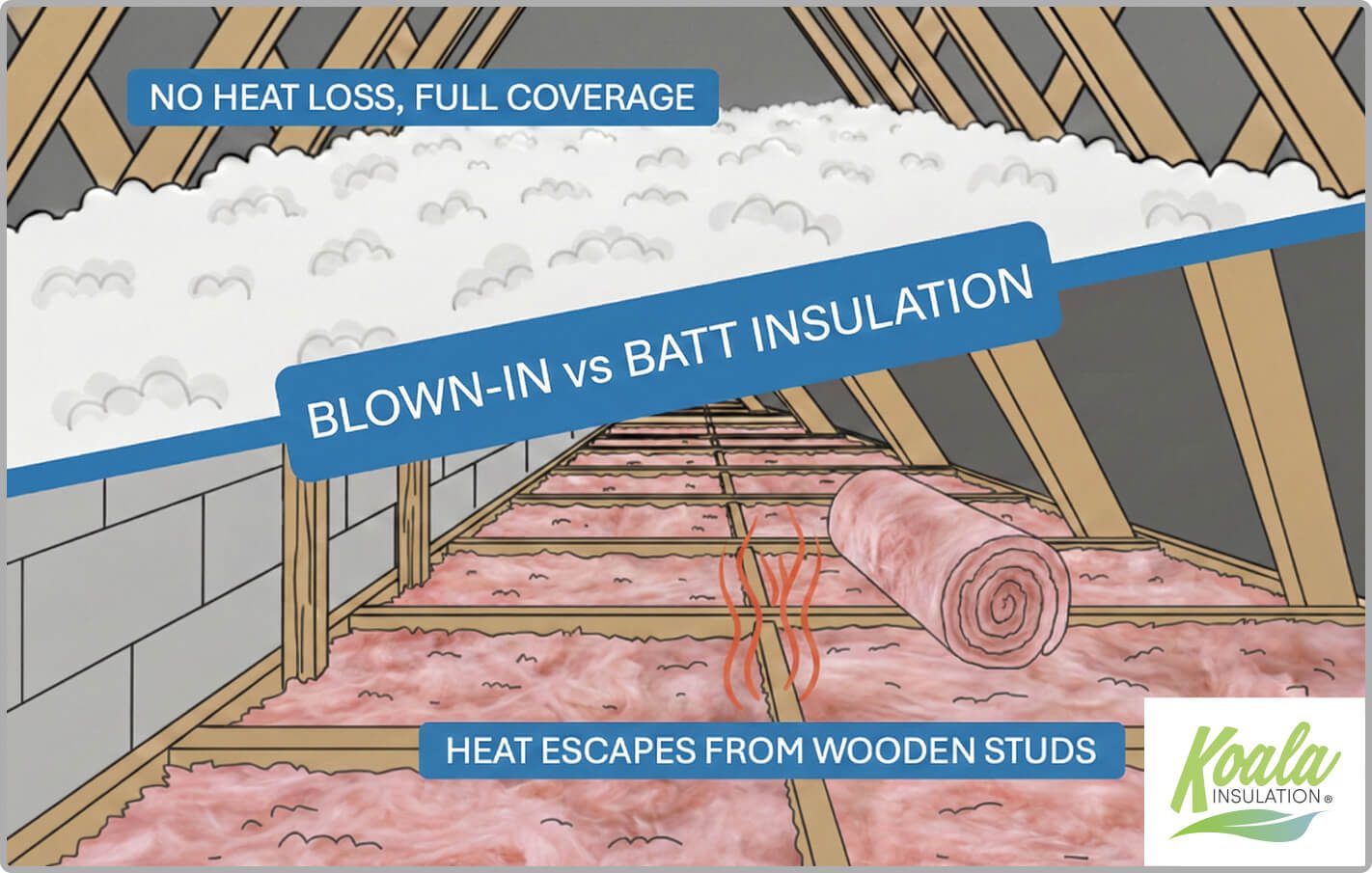
Blown-In Insulation vs. Rolls: Which Is Better?
For attic floors, blown-in is usually the stronger choice. A blown layer is continuous, wrapping over joists and around obstructions, while rolls leave the small seams and voids that cause drafts and uneven temperatures. Real-world performance follows coverage, and coverage is exactly what blown-in delivers for your East Valley home.
How Much Blown-In Insulation Does My Attic Need?
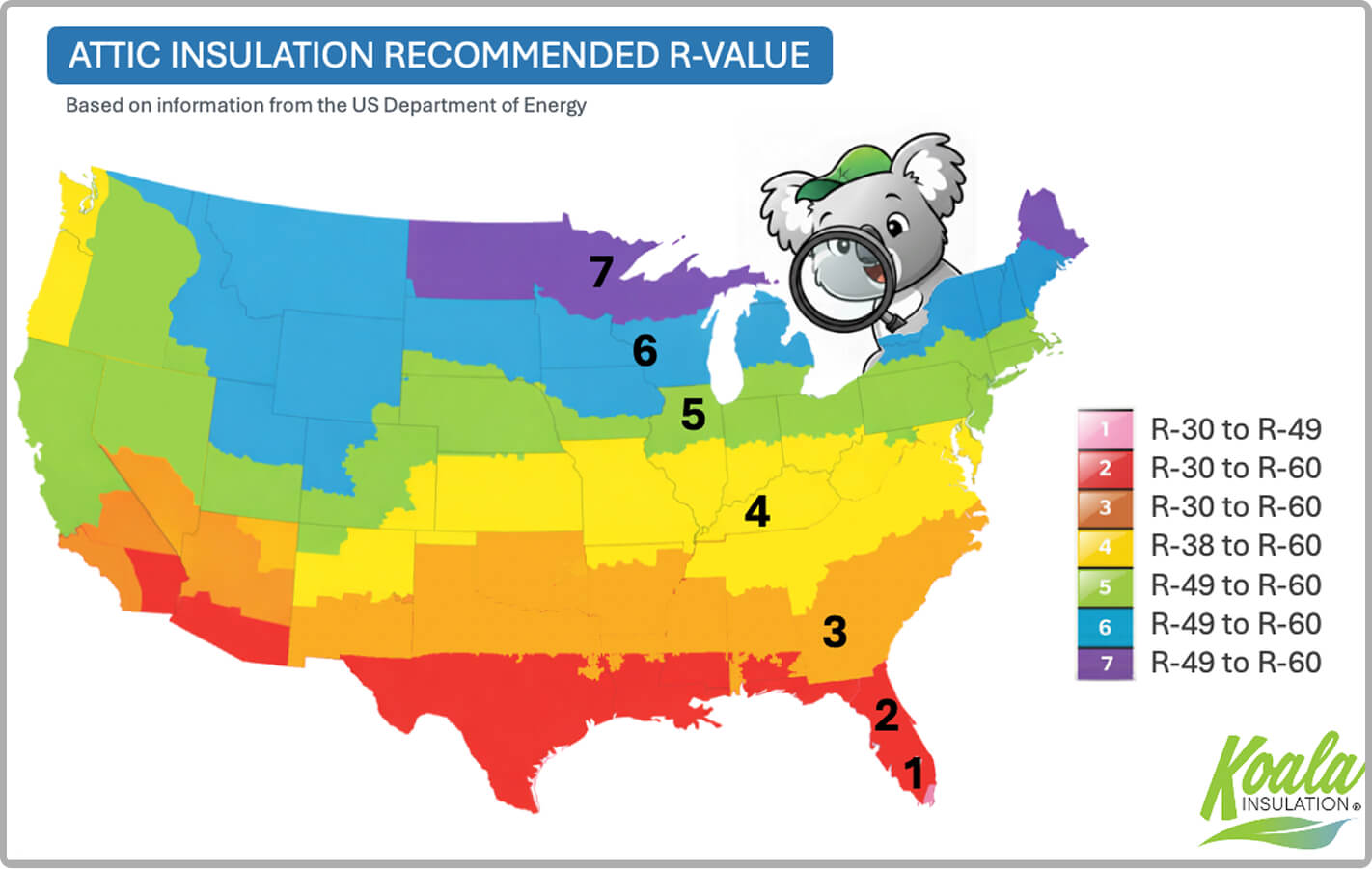
The right amount comes down to three inputs: the square footage of the space, the insulation depth required, and where you live (see the map below). Climate drives the recommended attic R-value, with colder regions needing thicker insulation to slow heat loss and warmer regions needing enough depth to block heat gain. Attic size and target R-value together set how much material consistent coverage requires. For reference, Phoenix’s East Valley falls in IECC Climate Zone 2B (hot-dry), and DOE and ENERGY STAR guidance for that zone puts attic insulation at roughly R-30 to R-60.
Because insulation requirements vary by region, professional installers base material calculations on climate-zone guidelines, existing insulation levels, and manufacturer coverage charts rather than estimates. This ensures the insulation depth matches the recommended R-value for your area, accounts for natural settling, and avoids gaps that reduce performance. Check the diagram below to see how recommended attic levels change across regions, and why the right depth here is not the same as somewhere else.
Insulation Education
Learn why insulation is critical to your home’s energy efficiency and your family’s comfort.
Learn More
Get a quote
Ready to start your insulation project? Get a free quote from your local Koala Insulation team today.