


Reduces Heat Flow: Spray foam adds thermal resistance to roof, wall, floor, and foundation assemblies, helping indoor surfaces stay more consistent through humid summers and cold mountain winters.
Professional Spray Foam Insulation in Roanoke and Blacksburg, VA
Let Our Insulation Experts Show You The Many Benefits Of Our High Performance Insulation.
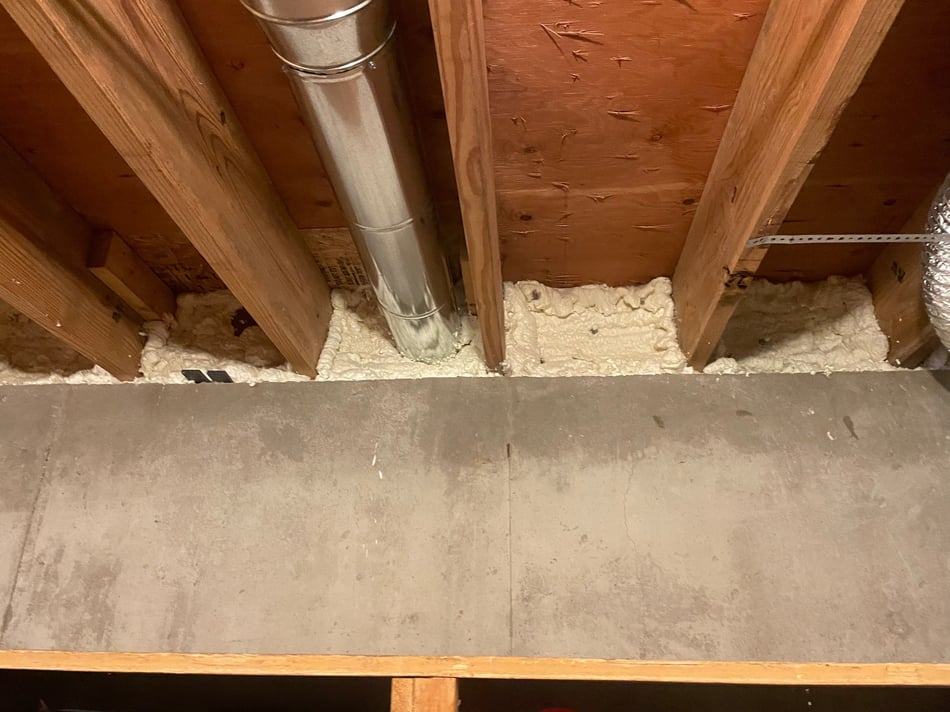
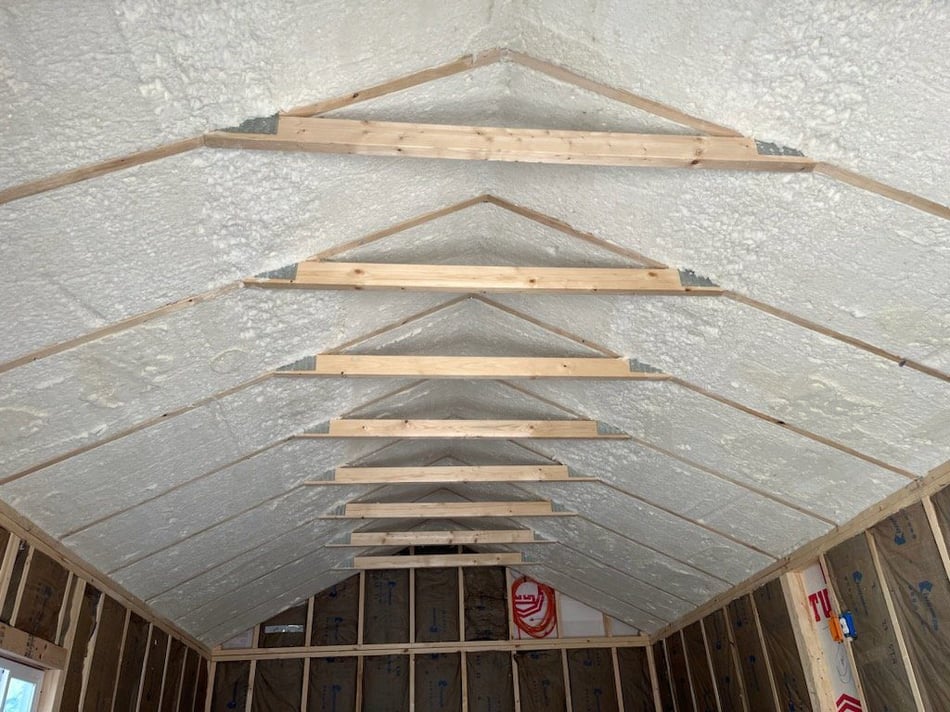
Spray foam insulation can combine thermal resistance and air sealing in attics, crawl spaces, rim joists, wall cavities, and other hard-to-seal assemblies. Koala Insulation of Roanoke & Blacksburg evaluates the whole building before deciding where open-cell or closed-cell foam belongs.
From older homes in Grandin Village, Wasena, and Old Southwest to properties in Cave Spring, Salem, Christiansburg, and near Virginia Tech, our recommendations account for Southwest Virginia’s humid summers, cold winters, mountain-influenced temperature swings, and common basement and crawl-space moisture concerns.
Get a Free Estimate


Trusted
Roanoke and Blacksburg Spray Foam Insulation Contractors

Roanoke Valley and New River Valley buildings need more than a high R-value. Moisture can move by bulk water, air leakage, and vapor diffusion, while below-grade walls and crawl spaces need drainage and ground-vapor control before insulation. Spray foam can close difficult leakage paths, but it should be coordinated with roof ventilation, HVAC, dehumidification, and combustion safety.
Our local assessment identifies current insulation, dampness, wood condition, duct location, roof and wall construction, foundation type, and code-required coverings. We then explain the product choice and application location rather than assuming every attic, basement, or crawl space should be sprayed.
A Superior
Thermal and Air Barrier Services in the Roanoke and New River Valleys
Spray polyurethane foam expands to follow irregular surfaces, allowing one material to provide insulation and air control when it is applied continuously at the specified thickness. Product choice and placement must still account for seasonal humidity, drying potential, roof and foundation conditions, fire protection, and future service access.
These capabilities define the insulation type:
Controls Air Leakage: Foam can seal rim joists, top plates, penetrations, kneewalls, and complex roof transitions where moving air carries heat and moisture through the enclosure.
Supports Moisture Management: Closed-cell foam can provide lower vapor permeance at suitable thicknesses, while open-cell foam permits more drying. Drainage, ground vapor, roof leaks, and indoor humidity still require separate solutions.
Advantages Of
Spray Foam Insulation in Roanoke and Blacksburg
Spray foam can be a strong choice when air leakage and hard-to-fit geometry are the main performance problems. A well-designed application may improve comfort, reduce drafts, limit moisture carried by moving air, and keep insulation in contact with irregular framing. It is not automatically the best value for every cavity, so we compare foam with blown-in, batt, rigid, and hybrid options before recommending a scope.

Improved Air Quality
Sealing uncontrolled leaks can reduce the entry of pollen, dust, humid outdoor air, and garage or crawl-space odors. A tighter enclosure still needs effective filtration, exhaust, and sometimes planned fresh-air ventilation. We also consider combustion appliances and pressure effects so air sealing supports a safe, balanced building.

Water & Fire Resistance
Closed-cell spray foam can add vapor resistance and may tolerate incidental moisture better than open-cell foam, but neither product fixes foundation seepage, roof leaks, plumbing leaks, or poor drainage. Spray foam is combustible and must receive the ignition or thermal protection required for its location and use.

Pest and Wildlife Protection
Spray foam can close cracks and framing transitions that insects, rodents, and outdoor air use to enter, but it is not pest control. Active infestations, nests, damaged wood, and entry routes should be corrected first. Future inspection and service access also need to be considered before concealed areas are sprayed.

Strengthens Buildings
Certain closed-cell foam systems can increase racking resistance in tested framed assemblies, but spray foam is not a repair for rot, termite damage, cracked masonry, failing foundations, or undersized framing. Structural concerns should be corrected by the appropriate professional before insulation covers the area.

Soundproofing
Open-cell foam can absorb some sound within a cavity, while either foam can reduce noise that travels through open air gaps. Effective sound control depends on the entire assembly, including mass, decoupling, penetrations, doors, and mechanical paths. Spray foam can contribute to noise reduction but should not be promised as complete soundproofing.

Environmentally Friendly
Reducing uncontrolled air leakage and improving insulation can lower heating and cooling demand over the building’s service life. Environmental impact also depends on the specific foam chemistry, blowing agent, material quantity, installation quality, and durability. We specify only the amount and location needed for the assembly and can provide available product information for review.
Roanoke & Blacksburg's Easy 4-Step
Spray Foam Installation Process

Free Insulation Assessment
A local Koala Insulation expert evaluates the enclosure, moisture conditions, existing insulation, roof or foundation assembly, access, HVAC and combustion considerations, and project goals before recommending spray foam.
- Assess, Specify and PrepareWe confirm the application area, product, target thickness, substrate condition, ventilation plan, required clearances, and code-related coverings. The work zone is separated from occupied spaces, surfaces are protected, and ventilation is arranged to move emissions safely outside. Occupants and unprotected workers stay outside the application area until the project-specific re-entry conditions are met.

- Apply Foam to the Project SpecificationInstallers verify material and substrate conditions, check equipment settings, complete a test spray, and apply controlled passes within the product's lift and cure limits. Depth, coverage, and transitions are checked throughout the job so gaps, voids, or off-ratio material can be identified before the area is closed.

Koala Difference: The approved job plan identifies the product, substrate, target thickness, excluded surfaces, critical transitions, and required protective assembly. Field checks follow that scope rather than relying on appearance alone.
- Trim, Inspect and Verify CoverageAfter the product has cured as required, we trim excess material where needed and inspect adhesion, continuity, depth, framing interfaces, and penetrations. Ventilation continues during inspection and cleanup according to the product and project plan.

Koala Difference: We complete a project-specific inspection checklist and identify any inaccessible or excluded areas, giving the property owner a clear record of the completed scope.
- Clean Site, Confirm Re-Entry and Provide Documentation
We remove masking and debris, complete the final walkthrough, and communicate re-entry based on the product guidance, amount applied, cure conditions, ventilation, and cleanup. Available product, care, and warranty information is organized for the customer.
Koala Difference: When current rebates or tax incentives may apply, we provide the available project documents for the owner to review with the appropriate program or tax professional. Eligibility and incentive value are not guaranteed.
Get a Quote
Ready to improve comfort in a Roanoke Valley or New River Valley property? Choose a local team that evaluates moisture, air leakage, and the full assembly before recommending foam. Schedule a free assessment with Koala Insulation of Roanoke & Blacksburg today!
What to Expect
In 5 Easy Steps
In 5 Easy Steps
What to Expect
In 5 Easy Steps

Schedule Your Free Evaluation
Contact your nearest Koala Insulation Location, recognized as the #1 trusted insulation expert nationwide. We will discuss your needs and schedule an appointment to provide a free evaluation.

Home Efficiency Assessment & Estimate
One of our friendly insulation experts will perform a thorough home efficiency assessment. Your insulation expert will then review the assessment findings, the science behind these findings, and why any changes are needed. Lastly, your insulation expert will provide the best option that fits your home efficiency needs and your budget.

Schedule Your Insulation Service
We will schedule your insulation service for the soonest availability that fits your schedule because we understand that your home insulation is a priority!

Installation
Our team of highly skilled insulation technicians will install your premium insulation solution in as little as two hours. We treat your home like our own and take time to leave it cleaner than it was before.
Post Installation Inspection
Contact your nearest Koala Insulation Location, recognized as the #1 trusted insulation expert nationwide. We will discuss your needs and schedule an appointment to provide a free evaluation.

Enjoy Your Comfortable & Efficient Home
Enjoy a more efficient home with lower energy bills and improved comfort year-round. Enjoy your improved home stress free knowing that Koala Insulation stands behind their work! Reach out to your Koala Insulation team anytime for support.

Benefits

Enhanced Comfort

Energy Savings

Quality Materials

Eco-Friendly Options
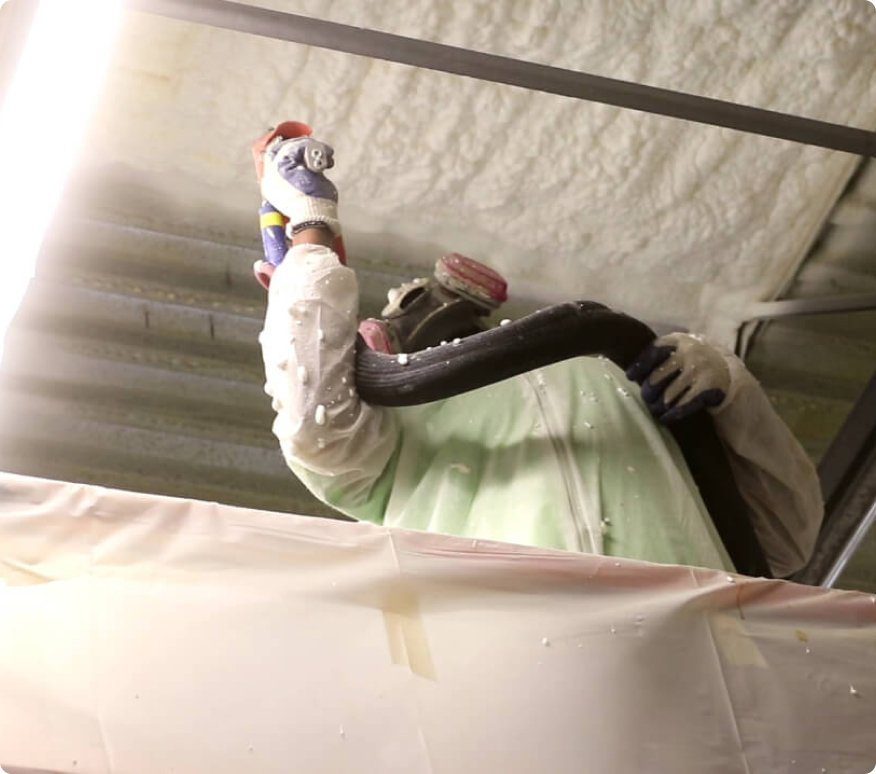
Enhanced Comfort
Stay cozy inside, no matter the weather outside.
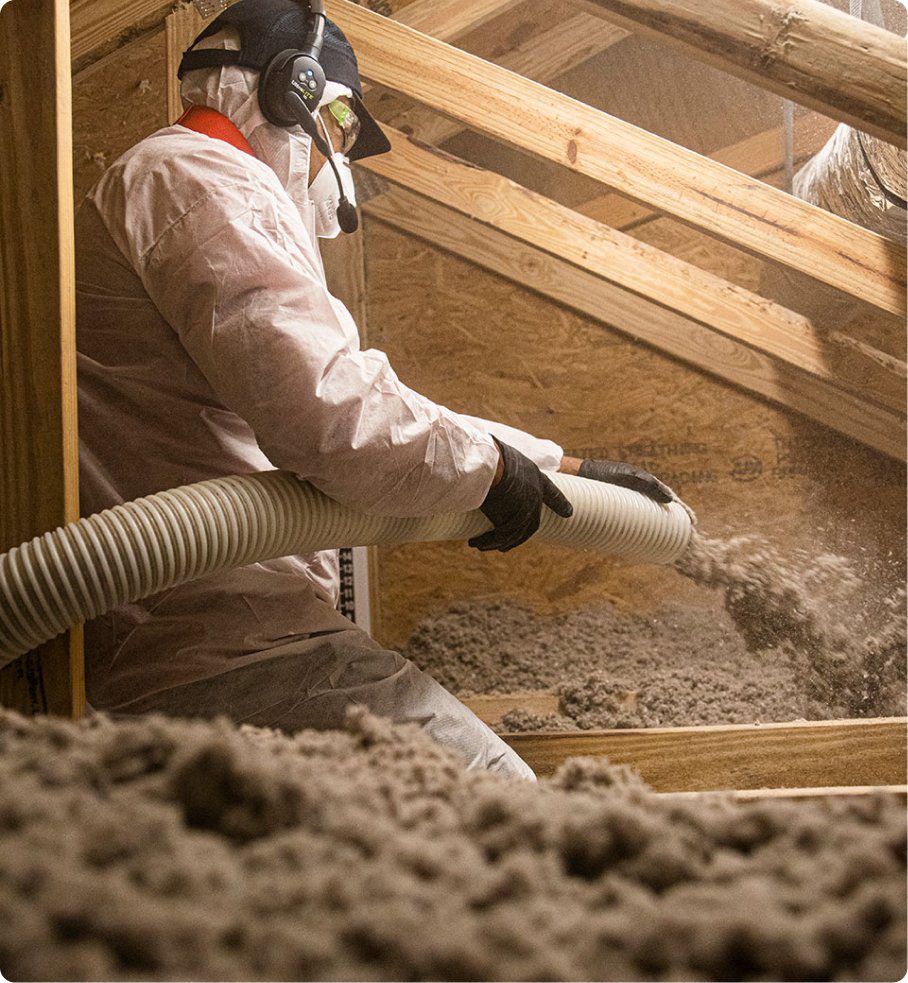
Energy Savings
Save on your energy bills while keeping your home comfy all year.
Reduced Noise
We use top-quality insulation to give you lasting results.
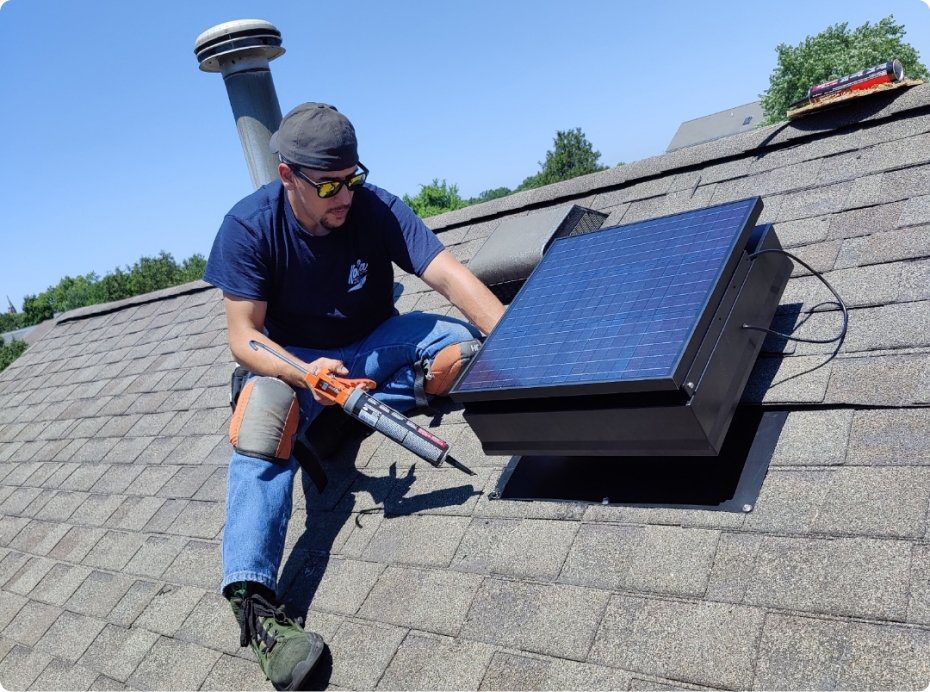
Eco Friendly
Choose insulation that’s better for your home and the planet, such as solar-powered attic fans.
Your Satisfaction is
Your Comfort and Confidence Are Our Top Priority
Read what customers say about Koala Insulation’s communication, workmanship, cleanliness, and professional service. We aim to make every step understandable, from the first building assessment through the final review of the installed scope.


Jennifer
14:37 01 Aug 25
Fabulous to work with. Comes in does a thorough inspection. Works well. Cleans up after the work. Able to problem solve and gives good solutions. Highly recommend

Papa Bear
12:19 17 Jun 25
Absolutely. Freaking. Fantastic. Nathan was very professional when he came out to do our estimate, and getting their trailer down our narrow street and up our steep gravel/dirt driveway was no small task in it's own. Everything was cleaned out of the attic, blown in, no issues at all. Clean up was wonderful. I'd recommend these guys to do any insulation task.

David Flowers
19:21 27 May 25
Nathan Did a great job very knowledgeable about everything that needed to be done was very good at explaining what needed to be done.
The work was second to none. Already can tell a difference after their work
The work was second to none. Already can tell a difference after their work

Melody Mays
21:26 16 May 25
Highly recommend this company for your insulation needs! Very professional. From start to finish, they kept us updated on everything! We will use them in the future and continue sharing them with everyone!

felicia moran
02:18 15 May 25
They did the best job and kept me informed about everything. I was very impressed and satisfied with the work that was done. If you are looking for insulation in your home, please give them a call, reasonable pricing and excellent work!
Get a Quote
Ready to improve comfort in a Roanoke Valley or New River Valley property? Choose a local team that evaluates moisture, air leakage, and the full assembly before recommending foam. Schedule a free assessment with Koala Insulation of Roanoke & Blacksburg today!
Frequently Asked Questions
Roanoke and Blacksburg Spray Foam Insulation FAQs
Get all your questions answered by our local experts. If we didn’t address your question here, give us a call at 844-805-6243 or schedule a free quote today!
Is spray foam right for my attic in Roanoke or Blacksburg?
It may be, but the attic strategy should be decided before choosing a foam. A vented attic usually places the air and thermal boundary at the attic floor. An unvented attic moves that boundary to the roof deck, which can bring ducts and equipment inside the enclosure but also changes how the roof, HVAC, and indoor humidity behave.
We inspect roof condition, leaks, decking, existing ventilation, duct location, mechanical and combustion equipment, access, and code-required coverings. The product choice and target thickness should also be checked against the roof assembly and any applicable roofing warranty. Spray foam is one option, not an automatic recommendation for every attic.

How much does spray foam insulation cost in Roanoke and Blacksburg?
Cost depends on the amount of material and the difficulty of installing it correctly. Important variables include open-cell versus closed-cell foam, target thickness, total board feet, access, crawl-space or attic conditions, old insulation removal, substrate cleaning and drying, masking, ventilation, and any required ignition or thermal barrier.
A rim-joist air-sealing project is priced differently from a full roof-deck conversion or commercial metal-building application. Koala Insulation of Roanoke & Blacksburg provides a written scope that identifies the product, area, preparation, thickness, and exclusions so the quote can be compared on more than price alone.
Free Insulation Assessment
The Koala Insulation efficiency experts will perform a thorough examination of your home’s current efficiency.
Should I use open-cell or closed-cell spray foam in Southwest Virginia?
“Both products can work in Southwest Virginia, but they manage heat, air, and vapor differently.
- Open-cell foam is lighter and more vapor-permeable. It can fill irregular framed cavities and absorb some sound, but the assembly must be able to manage moisture and drying.
- Closed-cell foam is denser, provides more thermal resistance per inch, and usually has lower vapor permeance at suitable thicknesses. It may be useful at rim joists, selected foundation walls, metal buildings, and tight cavities.
We choose based on the roof, wall, floor, or foundation assembly; expected moisture exposure; required drying direction; code; access; and budget rather than relying on a one-product rule.”

Can spray foam be used in basements and crawl spaces in Southwest Virginia?
Yes, spray foam can be useful at rim joists, selected foundation walls, and floor-system transitions, but bulk water and ground moisture must be managed first. Gutters, grading, foundation drainage, plumbing leaks, standing water, wet soil, and damaged wood should be addressed before insulation covers the assembly.
In a crawl space, the best plan may combine ground vapor control, air sealing, drainage, insulation, and humidity management. In a basement, the recommendation depends on whether the space is conditioned, how the wall dries, and whether the foundation is concrete, block, stone, or another material. Foam alone is not a complete moisture-remediation system.
Free Insulation Assessment
The Koala Insulation efficiency experts will perform a thorough examination of your home’s current efficiency.
Should I spray foam my basement ceiling or the foundation walls?
The better location depends on whether the basement should be inside or outside the home’s conditioned enclosure. Spraying the floor system above can isolate an unconditioned basement, while insulating foundation walls and rim joists may bring a dry basement into the enclosure and reduce cold floors and duct losses.
We review water history, wall type, ground vapor, HVAC and ducts, combustion equipment, access, termite or inspection needs, and planned use of the space. In some homes, another insulation or encapsulation approach will manage moisture and service access better than spraying the ceiling.
Is spray foam insulation safe?
Spray polyurethane foam requires a controlled work zone during installation. Unprotected occupants and workers should stay out of the application area, installers need appropriate protective equipment, and ventilation should move emissions away from workers and occupied parts of the building.
Safe re-entry timing is product- and project-specific, not a universal 24- or 48-hour number. It depends on manufacturer guidance, the amount applied, cure conditions, ventilation, and cleanup. We communicate the re-entry requirements and provide the product information for the job. Any persistent odor or concern should be reported so the application and ventilation can be evaluated.
Will spray foam solve mold or moisture problems in a basement or crawl space?
No insulation should be used to cover an active mold or water problem. Mold growth, wet materials, plumbing or foundation leaks, poor grading, standing water, and high ground moisture should be corrected and the assembly dried before foam is installed.
After those causes are addressed, spray foam can reduce moisture carried by air leakage and may help keep warm, humid air from reaching a cold surface. Closed-cell foam can also provide lower vapor permeance at suitable thicknesses. Humidity control, drainage, and ground vapor protection may still be required for a durable basement or crawl-space system.


Mold and Mildew Removal with Koala Insulation
Watch Now
Free Insulation Assessment
The Koala Insulation efficiency experts will perform a thorough examination of your home’s current efficiency.
Can concrete or block foundation walls be insulated with spray foam?
Concrete and concrete-block walls can sometimes be insulated with spray foam when the surface is sound, clean, and dry and exterior water management is working. Closed-cell foam is often considered because it combines insulation, air control, and relatively low vapor permeance, but the wall still needs a safe drying strategy and code-required protection.
We inspect for efflorescence, active seepage, cracks, deteriorated mortar, coatings, and hidden water paths before recommending an application. Stone or irregular historic foundations may call for a different or hybrid approach to preserve drying and service access.

Do rim joists need an airtight seal?
Rim joists are often major leakage points because wood framing, masonry, sill plates, wiring, plumbing, and exterior sheathing meet in a small, irregular area. A continuous air seal at this transition can reduce drafts, cold floors, and humid outdoor air entering a basement or crawl space.
Spray foam is useful when it can bond to clean, dry surfaces and connect the foundation air-control layer to the floor system. The detail must preserve required clearances and inspection access, and any water, rot, or pest damage should be corrected before the area is covered.

Free Insulation Assessment
The Koala Insulation efficiency experts will perform a thorough examination of your home’s current efficiency.
Is spray foam insulation flammable?
Spray foam is combustible. Fire-retardant additives can improve tested performance, but they do not make foam fireproof. Depending on the space and use, building codes may require an approved thermal barrier, ignition barrier, or tested protective coating over the foam.
A professional scope should also maintain required clearances from chimneys, flues, recessed fixtures, heat-producing equipment, and electrical components. The required protective assembly is part of the installation and should be identified before spraying begins.

Can spray foam insulation be painted or left exposed?
Some cured foam can be painted or coated after confirming compatibility and completing the surface preparation required by both manufacturers. Coatings may also be used for ultraviolet protection in limited exposed applications.
Standard paint is not automatically an approved fire barrier. Attics, crawl spaces, basements, garages, commercial spaces, and occupied rooms can have different covering requirements. Where a tested ignition- or thermal-barrier coating is specified, it must be applied at the listed coverage; other locations may require drywall or another approved assembly.

How long does spray foam insulation last?
Correctly installed spray foam can provide durable insulation and air sealing for decades because it adheres to the assembly and does not settle. Actual service life depends on product quality, correct ratio and lift thickness, substrate condition, moisture control, ultraviolet and fire protection, and future building work.
The foam should be inspected after roof or plumbing leaks, pest damage, renovations, fire or overheating, or any event that may have affected adhesion or coverage. Product and workmanship warranties vary, so the actual written terms are more meaningful than a universal lifespan claim.
What are the best spray foam applications in the Roanoke and New River Valleys?
“Spray foam is most useful where air leakage, irregular framing, limited cavity depth, or difficult transitions reduce the effectiveness of conventional insulation. Common candidates include:
- Rim joists and foundation-to-floor transitions in dry basements and crawl spaces.
- Attic floors or roof decks after the venting, moisture, and HVAC strategy is established.
- Bonus rooms, kneewalls, and complex rooflines where continuity is difficult.
- Metal buildings, shops, and selected commercial assemblies with condensation and fire-protection details addressed.
- Wall cavities and additions where access and assembly drying are understood.
Blown-in, batt, rigid, or hybrid systems may be more practical in other areas. The assessment compares options based on the building rather than using spray foam as the default everywhere.”
Can I install spray foam insulation myself?
Large two-component spray foam projects are not good DIY work. Safe and durable installation requires protective equipment, isolation, directed ventilation, substrate and chemical temperature control, equipment calibration, controlled lift thickness, and inspection for adhesion, coverage, and off-ratio foam.
One-component canned foam may be suitable for a few small penetrations when used according to its label, but it cannot replace a designed attic, crawl-space, wall, or roof system. Poor installation can create odors, concealed moisture, fire-code issues, and costly removal. Professional evaluation also helps determine when a different insulation material is the better choice.

Free Insulation Assessment
The Koala Insulation efficiency experts will perform a thorough examination of your home’s current efficiency.
Insulation Education
Learn why insulation is critical to your home’s energy efficiency and your family’s comfort.
Learn More
Get a quote
Ready to start your insulation project? Get a free quote from your local Koala Insulation team today.