
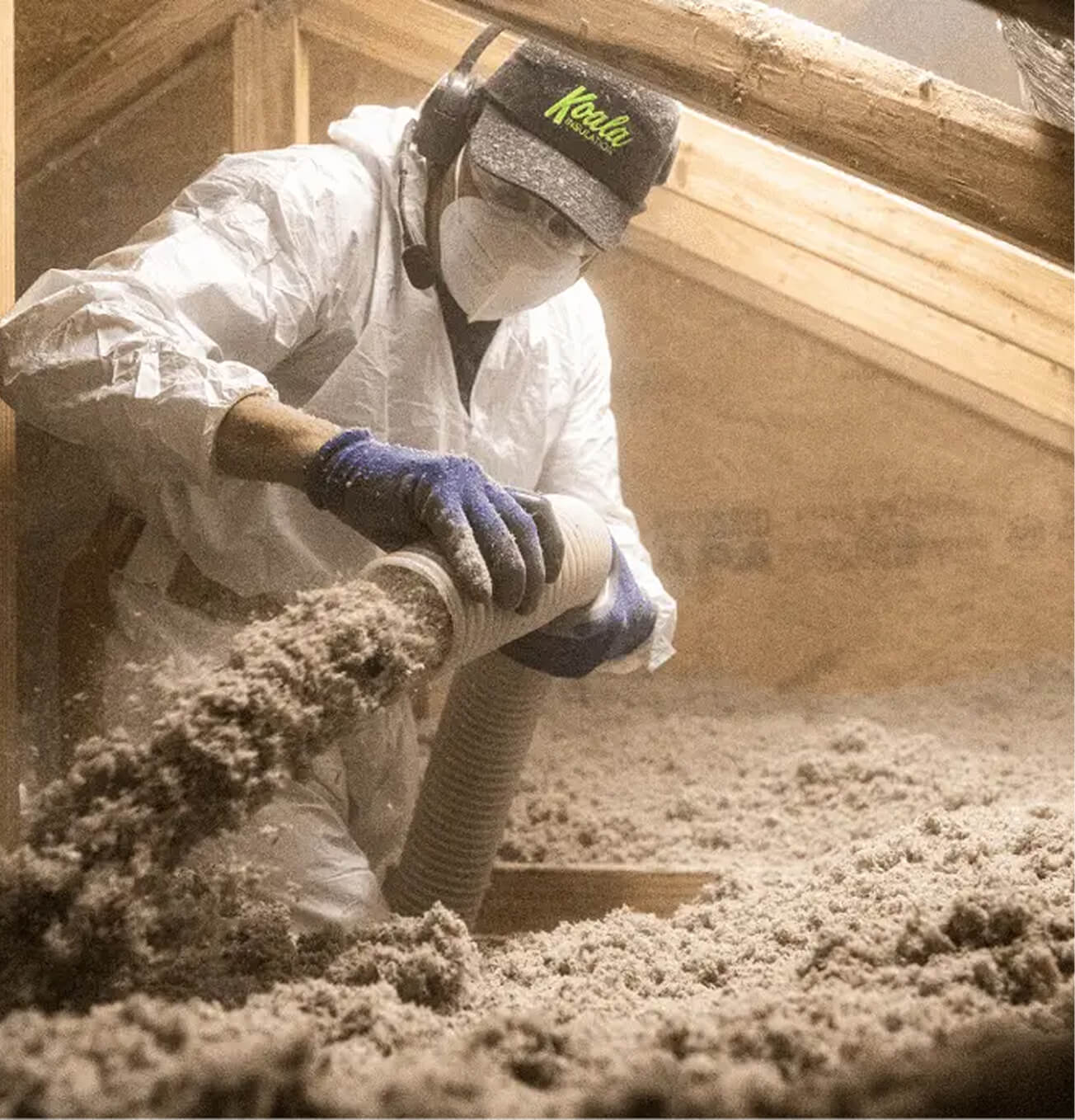

Resists Conduction: The added depth acts like a winter coat for your North Shore home, slowing conductive heat flow through the ceiling so comfort holds even when humid summers arrives.
Expert Blown-In Insulation Services on Chicago’s North Shore
Let Our Insulation Experts Show You The Many Benefits Of Our High Performance Insulation.
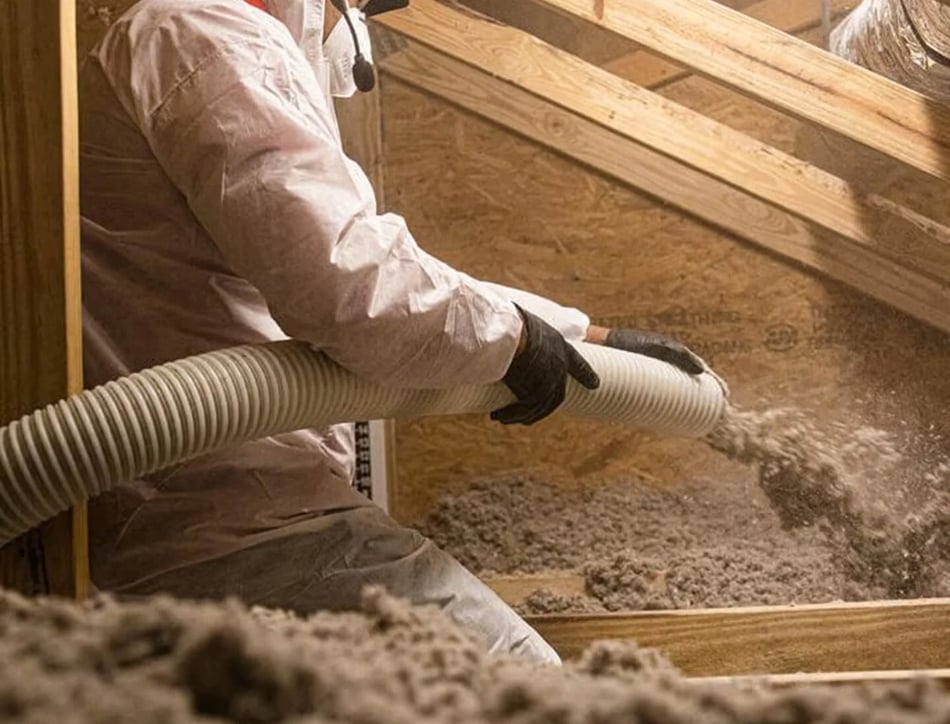
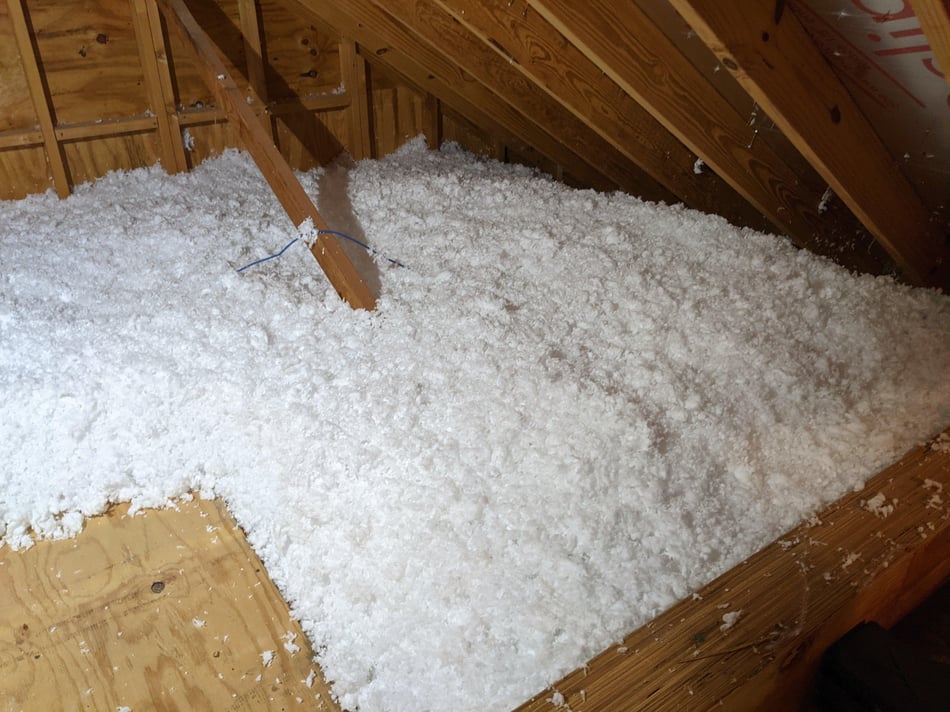
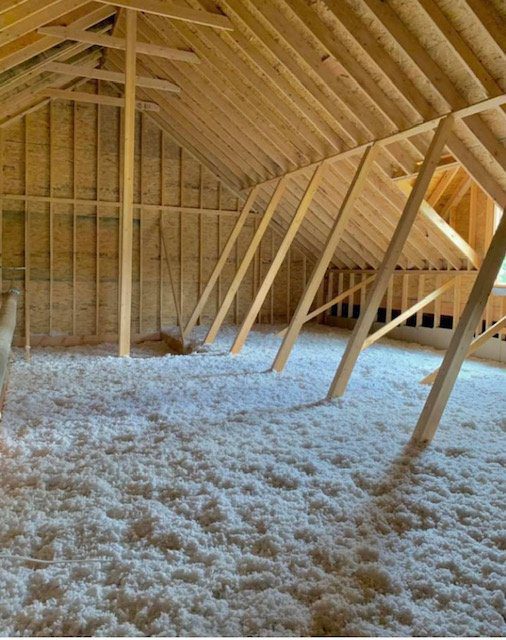
If your North Shore home never seems to hold a comfortable temperature, thin attic insulation is often the culprit. Blown-in insulation, sometimes called loose-fill, is installed with a hose system that distributes a deep, even layer across your attic floor in just a few hours.
It works beautifully over existing insulation, in new spaces, and in hard-to-reach cavities, and Koala Insulation of Northern Illinois East is ready to help.
Get a Free Estimate


Trusted
Your Blown-In Insulation Team on Chicago’s North Shore

The North Shore’s humid summers and biting lakefront winters can make your home feel uncomfortable and your furnace work overtime. Yet plenty of local attics hold just a few inches of old, settled insulation, well short of what today’s guidelines call for.
Best uses for blown-in insulation:
Attic floors, where a fresh layer quickly raises your R-value to today’s standards.
Wall cavities in certain retrofit projects, following industry best practices.
Knee walls & sloped ceilings and other awkward, hard-to-reach spots.
A Superior
Whole-Home Thermal Upgrade
Think of blown-in insulation as a thermal blanket for your North Shore home. Loose-fill material flows over the attic floor or into cavities and settles into complete, even coverage, layering neatly over existing insulation while standing up to humid summers and lake winds.
These capabilities define the insulation type:
Blocks Air Infiltration: When combined with Koala’s targeted air sealing, blown-in insulation helps reduce drafts by limiting the pathways where treated air can escape and outside air can sneak in around framing, wiring, and other penetrations common to homes on the North Shore.
Helps Control Moisture: By raising attic R-value while keeping soffit airflow open, blown-in insulation helps curb the condensation cycles that sap efficiency on the North Shore.
Advantages Of
Blown-In Insulation on Chicago’s North Shore
Blown-in insulation is quick to install, works well over existing insulation, and can help reduce heating and cooling costs while improving comfort year-round on the North Shore. Here are some of the key advantages:

Improved Air Quality
Because our crews air-seal key attic leaks before blowing insulation, the upgrade also helps keep dust, pollen, and other outdoor pollutants from sneaking into the living spaces of your North Shore home through ceiling penetrations.

Water & Fire Resistance
Fire safety is built into how we work on the North Shore. The blown-in materials we use are engineered with fire performance in mind, and our installers maintain the required clearances around recessed lights, flues, and chimneys per local codes and manufacturer guidelines.

Pest and Wildlife Protection
Worried about unwanted attic guests? Cellulose is the one blown-in material treated with pest-deterrent additives, and pairing it with thorough air sealing helps keep insects and critters out of attics on the North Shore.

Soundproofing
Insulation quiets as it insulates. A deep blown-in blanket absorbs sound traveling in from outside and between floors, so traffic, neighbors, and upstairs footsteps all fade into the background of your North Shore home.

Environmentally Friendly
Our blown-in insulation is made from recycled materials, making it an eco-friendly option. Insulation plays a vital role in reducing carbon footprint by making buildings on the North Shore more energy-efficient. Studies have shown that insulation can reduce heating and cooling energy consumption by up to 40%!
The North Shore’s Simple 4-Step
Blown-In Insulation Process

Free Insulation Assessment
A Koala efficiency expert will walk your North Shore home and document exactly where insulation and air sealing stand today, free of charge.
- Protect & Prep the SpaceFirst we prepare your North Shore home properly: floor and walkway protection goes down, safe attic access goes up, and depth rulers are positioned across the attic so final coverage can be measured everywhere. Eave baffles are installed as needed to protect soffit airflow.
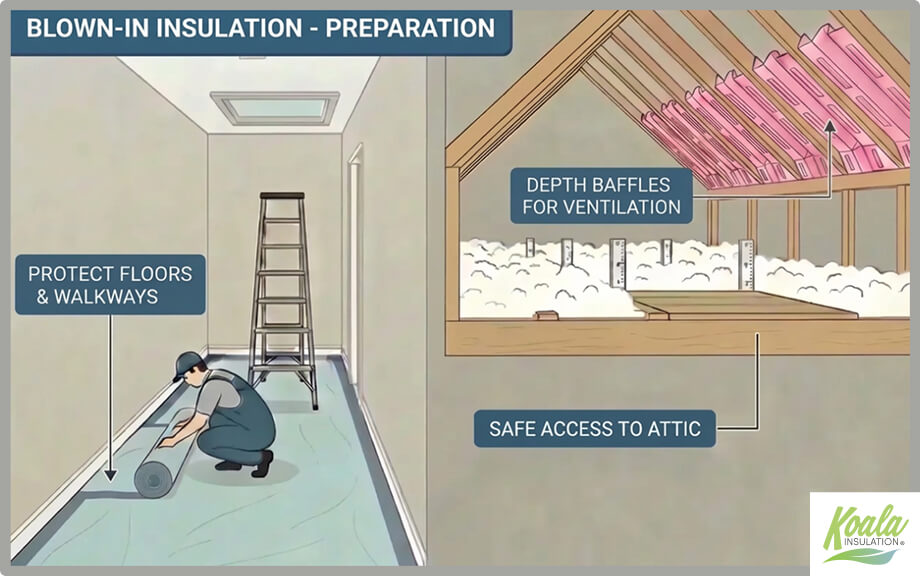
Koala Difference: Thorough prep is why our installs on the North Shore perform properly and why you will not find a layer of dust through the house afterward.
- Air Seal Before We BlowNext, we hunt down air leaks. Using thermography leak detection, our crew locates and seals the gaps around plumbing stacks, wiring, recessed lighting, and attic hatches that quietly drain efficiency from homes on the North Shore.
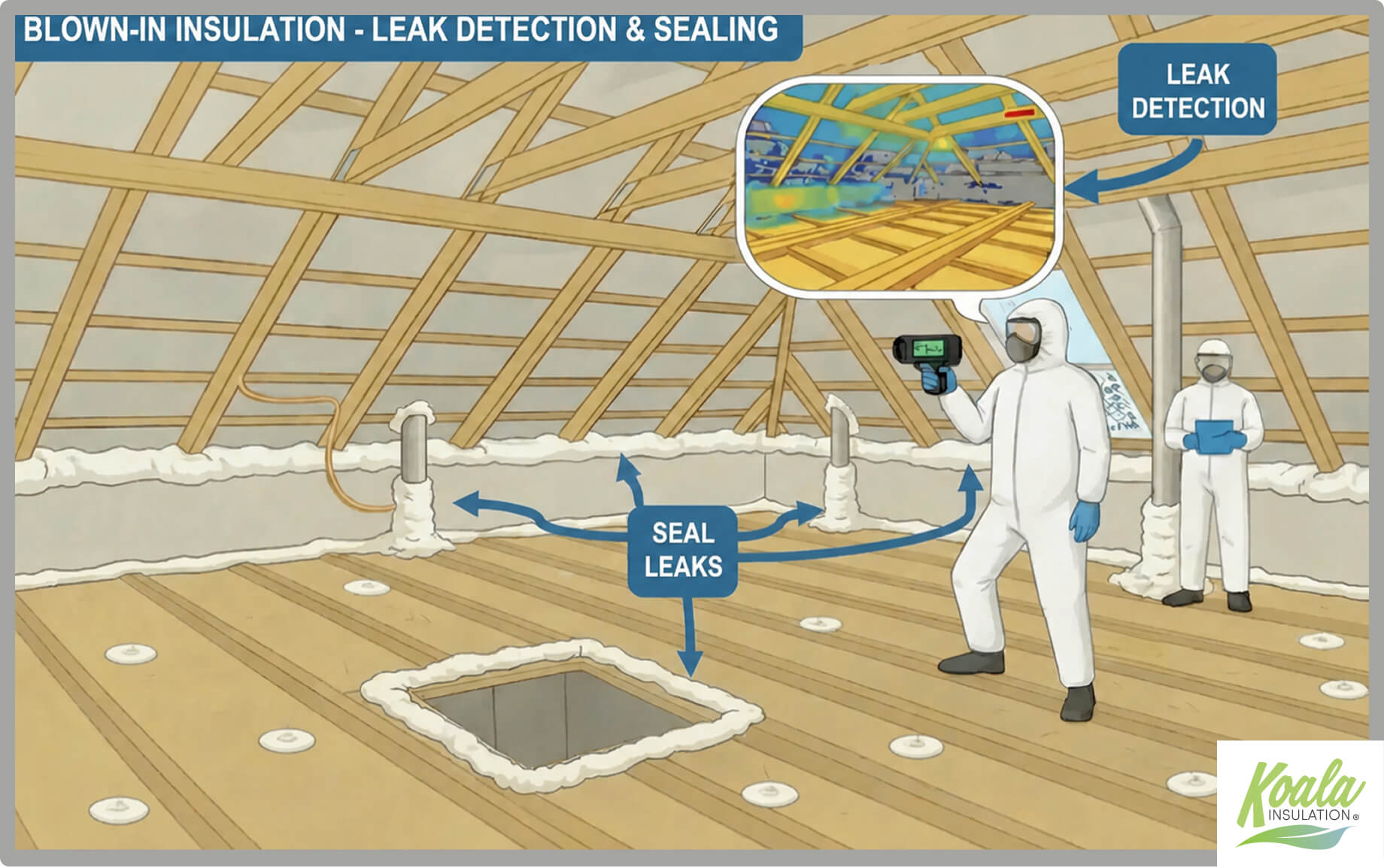
Koala Difference: Anyone can add material. Sealing first is how North Shore homeowners get full value from every inch of new insulation.
- Install to the Target DepthThen comes the main event: loose-fill is blown across the attic to the target depth and R-value. Corners, eaves, and the hard-to-reach pockets typical of homes on the North Shore get deliberate attention, and we keep verifying against the depth markers until the whole space reads level.
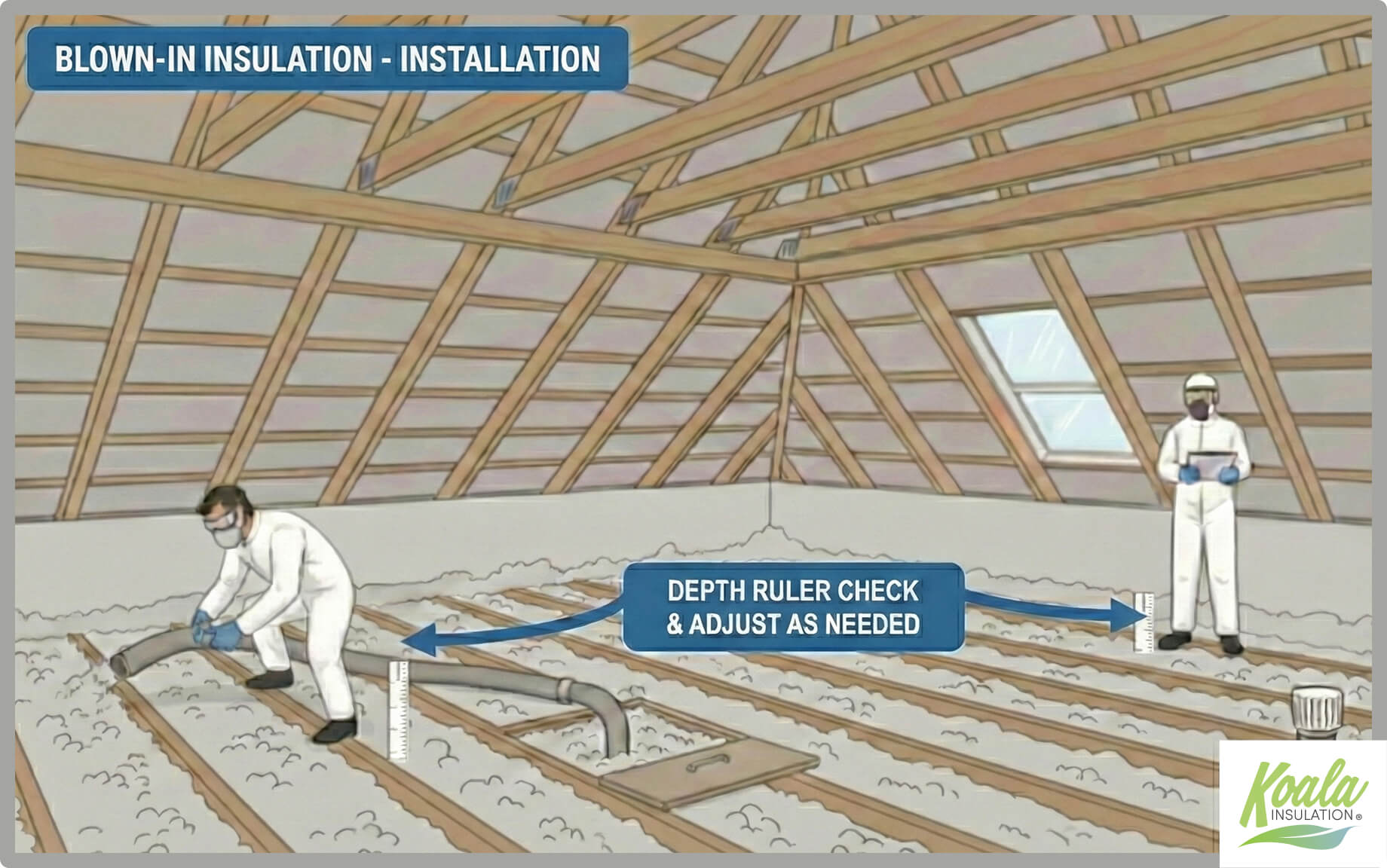
Koala Difference: Coverage is everything. We take the time to verify depth and consistency so your North Shore home is not left with “thin spots” that reduce performance.
- Wrap Up & Review
Cleanup is part of the job, not an afterthought on the North Shore. We vacuum and tidy the space, remove every piece of equipment, confirm the attic access seals properly, then review the results with you, photos included when available.
Koala Difference: Consider us a long-term resource: future questions, maintenance advice, and guidance on rebates or tax credits that may apply to your project on the North Shore.
Get a Quote
Take the first step toward lower energy bills on the North Shore. Schedule a free quote with Koala Insulation of Northern Illinois East now!
What to Expect
In 5 Easy Steps
In 5 Easy Steps
What to Expect
In 5 Easy Steps

Schedule Your Free Evaluation
Contact your nearest Koala Insulation Location, recognized as the #1 trusted insulation expert nationwide. We will discuss your needs and schedule an appointment to provide a free evaluation.

Home Efficiency Assessment & Estimate
One of our friendly insulation experts will perform a thorough home efficiency assessment. Your insulation expert will then review the assessment findings, the science behind these findings, and why any changes are needed. Lastly, your insulation expert will provide the best option that fits your home efficiency needs and your budget.

Schedule Your Insulation Service
We will schedule your insulation service for the soonest availability that fits your schedule because we understand that your home insulation is a priority!

Installation
Our team of highly skilled insulation technicians will install your premium insulation solution in as little as two hours. We treat your home like our own and take time to leave it cleaner than it was before.
Post Installation Inspection
Contact your nearest Koala Insulation Location, recognized as the #1 trusted insulation expert nationwide. We will discuss your needs and schedule an appointment to provide a free evaluation.

Enjoy Your Comfortable & Efficient Home
Enjoy a more efficient home with lower energy bills and improved comfort year-round. Enjoy your improved home stress free knowing that Koala Insulation stands behind their work! Reach out to your Koala Insulation team anytime for support.

Benefits

Enhanced Comfort

Energy Savings

Quality Materials

Eco-Friendly Options
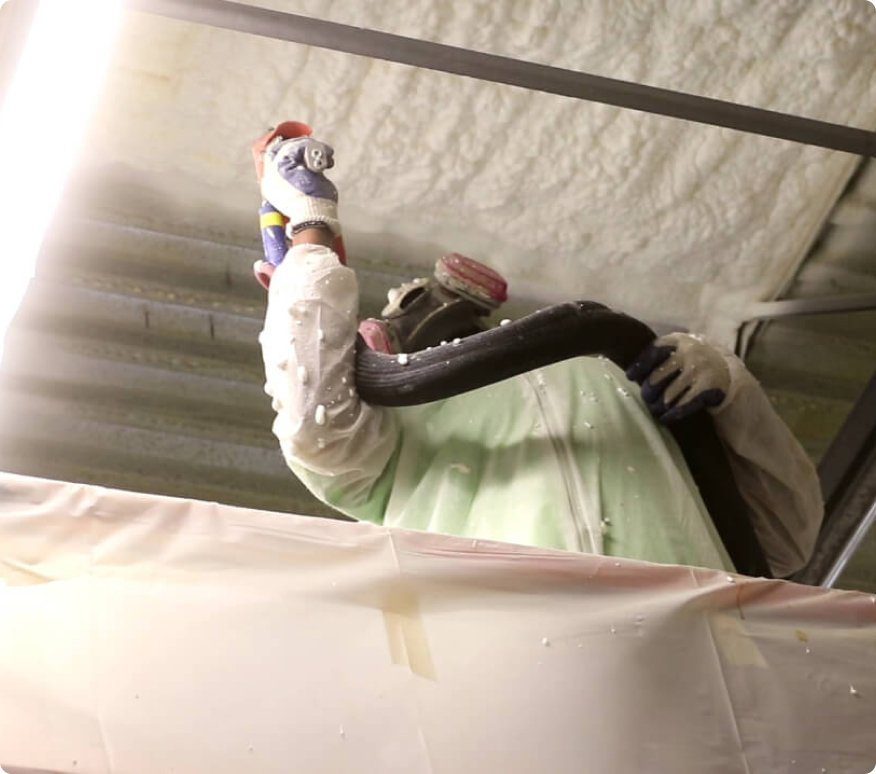
Enhanced Comfort
Stay cozy inside, no matter the weather outside.
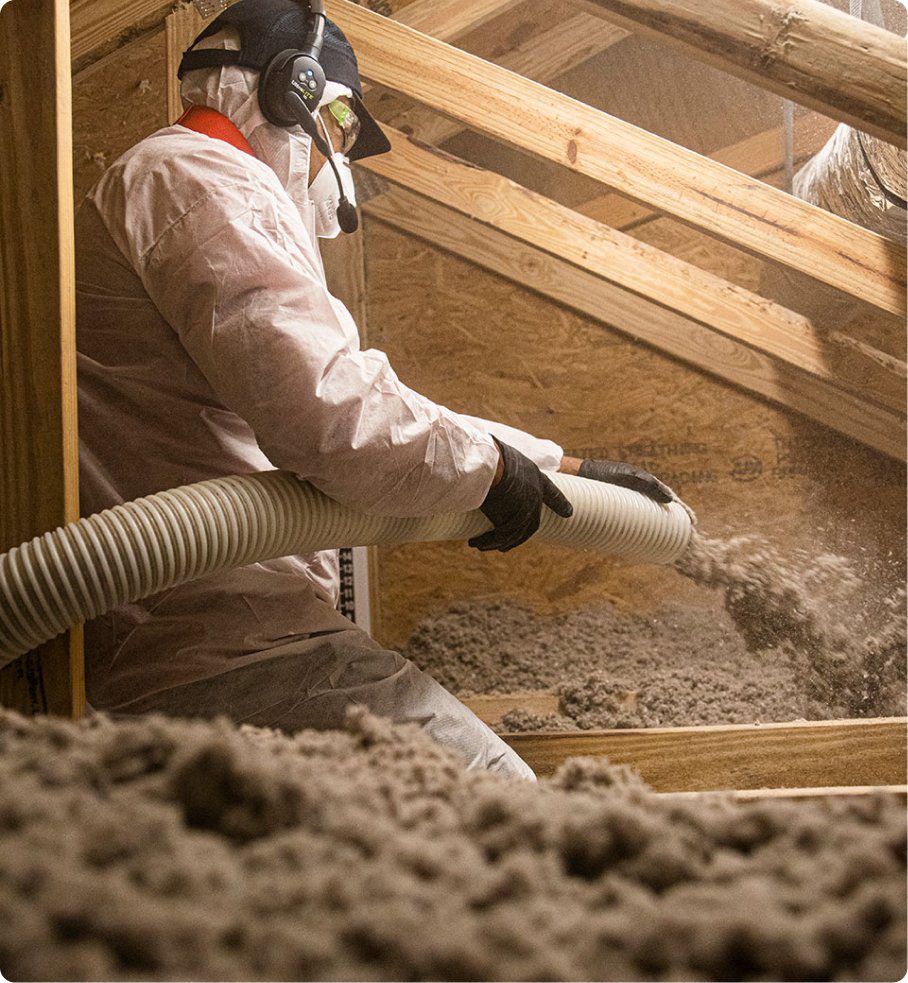
Energy Savings
Save on your energy bills while keeping your home comfy all year.
Reduced Noise
We use top-quality insulation to give you lasting results.
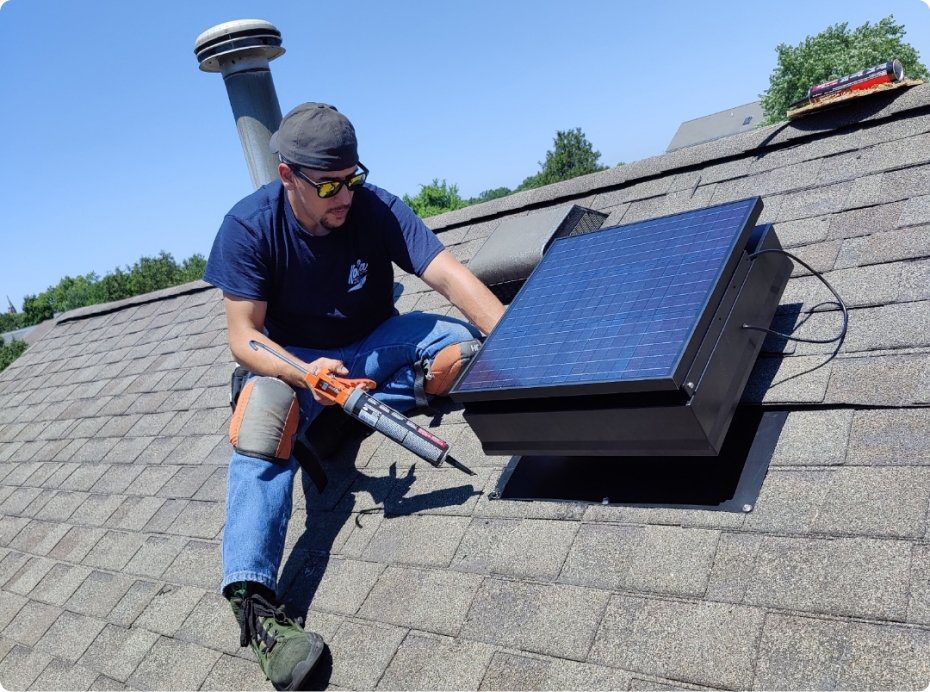
Eco Friendly
Choose insulation that’s better for your home and the planet, such as solar-powered attic fans.
Your Satisfaction is
Our Top Priority
Our favorite reviews come from neighbors. Read what homeowners on the North Shore say about their Koala experience.



Carl Duffield
23:02 30 Apr 26
Do not recommend. Chris was rude and could have found a better way to say he didn't want to come look at the job. Chose "I don't want to waste my time driving 3 hours to come look at the same thing again"

Jack Clarke
19:23 23 Jan 26
Blown in attic insulation replacement of old batting. After 8 months there was no improvement in heat retention of the area below the attic. In fact, the upstairs seems actually colder. Techs were courteous and respectful of home, however, I think a professional evaluation would have been wise on my part. Overall, not satisfied with results.

alda tchochiev
16:45 17 Nov 25
The Koala team and Michael were all extremely polite, knowledgeable, and transparent about each step of the project. They were easy to communicate with. The invoicing and the work were completed quickly. We had a great experience with them and would happily work with them again.

Inke De Borger
21:05 22 Jul 25
We had a great experience with Koala Insulation of North Chicagoland. They were quick to schedule an estimate, and once we approved it, they were able to complete the work promptly.
The team arrived on time, worked efficiently, and maintained a very clean job site throughout. They took the time to ask thoughtful questions to make sure they fully understood what we wanted to achieve with the project. We really appreciated how respectful and professional they were from start to finish.
Not only did they clean up after themselves, but they also cleared out a significant amount of trash that had been left in our attic by previous owners—something we hadn’t expected but were so grateful for.
We’re very happy with the results and would absolutely recommend Koala Insulation to anyone looking for a clean, efficient, and professional insulation service.
The team arrived on time, worked efficiently, and maintained a very clean job site throughout. They took the time to ask thoughtful questions to make sure they fully understood what we wanted to achieve with the project. We really appreciated how respectful and professional they were from start to finish.
Not only did they clean up after themselves, but they also cleared out a significant amount of trash that had been left in our attic by previous owners—something we hadn’t expected but were so grateful for.
We’re very happy with the results and would absolutely recommend Koala Insulation to anyone looking for a clean, efficient, and professional insulation service.

Albert Wang
19:52 30 Apr 24
We installed dense pack cellulose insulation in the existing floor/ceiling cavity between two apartment units in order to add sound attenuation between the units. Existing drywall was kept in place - we opted to drill 2" holes in each cavity and hose in the insulation. Koala did a great job. They worked with me to problem solve issues with existing conditions in an old house. They were prompt in there execution and they communicated well throughout the process. I highly recommend Koala!
What Makes
Koala Different?
Consistent from coast to coast: A U.S. & Canada network with one standard of workmanship, delivered locally on the North Shore.
Assessment before estimate: Every quote follows a free efficiency evaluation of your North Shore home.
Sealed, then insulated: Thermography-guided air sealing comes standard in how we scope attic projects.
Post-project support: Rebate and tax credit guidance plus a team that answers the phone after the job is done.

Get a Quote
Take the first step toward lower energy bills on the North Shore. Schedule a free quote with Koala Insulation of Northern Illinois East now!
Frequently Asked Questions
Blown-In Insulation Questions
Get all your questions answered by our local experts. If we didn’t address your question here, give us a call at (847) 470-3177 or schedule a free quote today!
How Much Does Attic Blown-In Insulation Cost on Chicago’s North Shore?
Rather than quote a flat rate, we price every blown-in insulation project around a few specifics.
The biggest factors include:
- The size of your home: More attic square footage means more material and more installation time.
- The type of insulation used: Materials like cellulose and fiberglass are priced differently.
- The level of effort involved: Attic access, prep work, air sealing, and any old insulation removal all shape the scope.
And because a well-covered attic cuts heat loss, the project starts working to lower your energy bills from day one.
Many state and local governments and local utilities also offer rebates or incentives that can offset a portion of the project. Every home on the North Shore is unique. For an accurate estimate tailored to your property and goals, contact the team today to schedule a free assessment.
Blown-In Insulation vs. Rolls: Which Is Better?
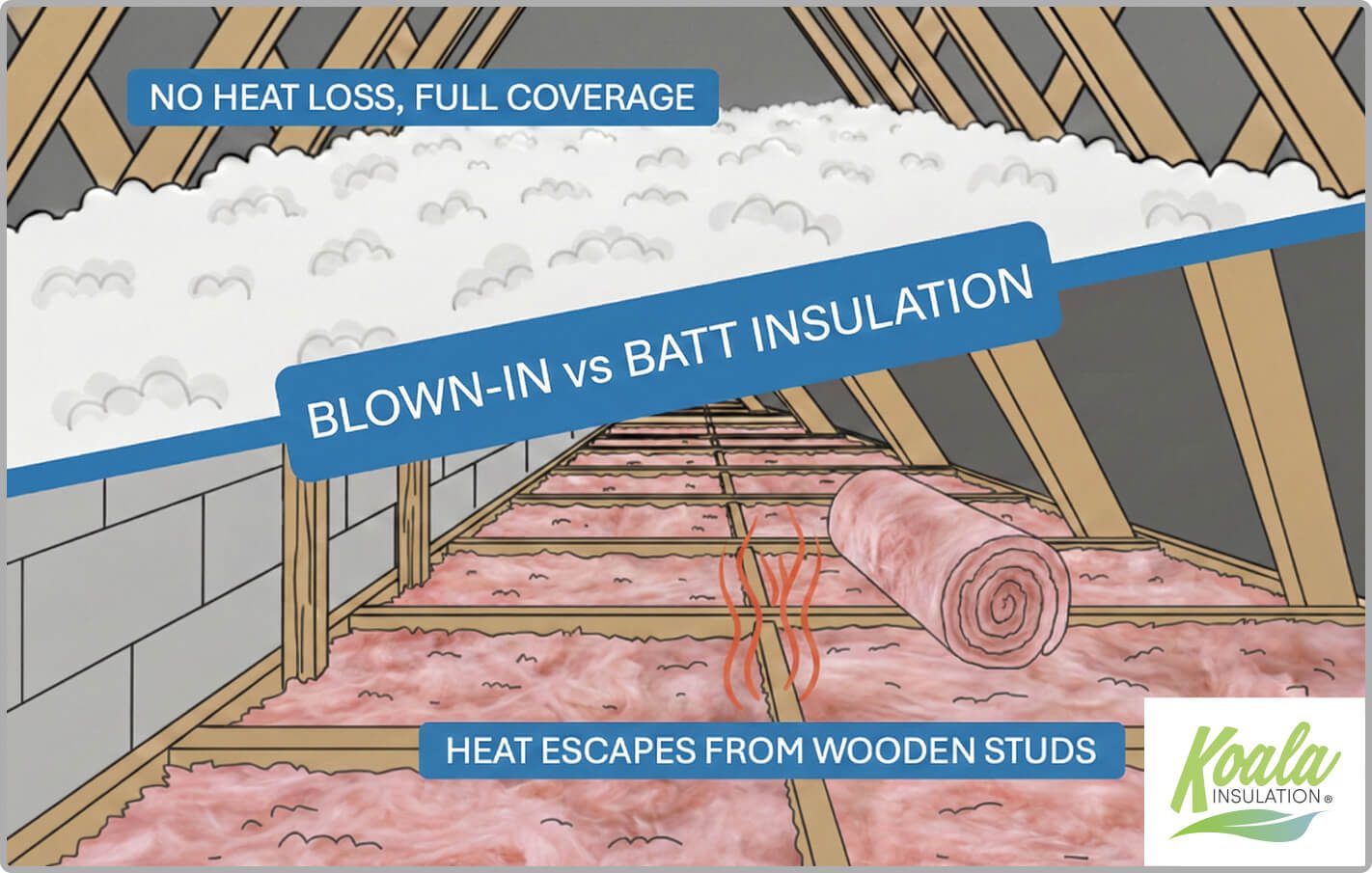
For attics, blown-in usually wins. Loose-fill flows around joists, wiring, and pipes to form one continuous blanket, while rolls (batts) tend to leave small gaps at edges and obstructions. In attics on the North Shore, those little gaps add up to drafts, uneven rooms, and performance below the rating on the package.
How Much Blown-In Insulation Do I Need?
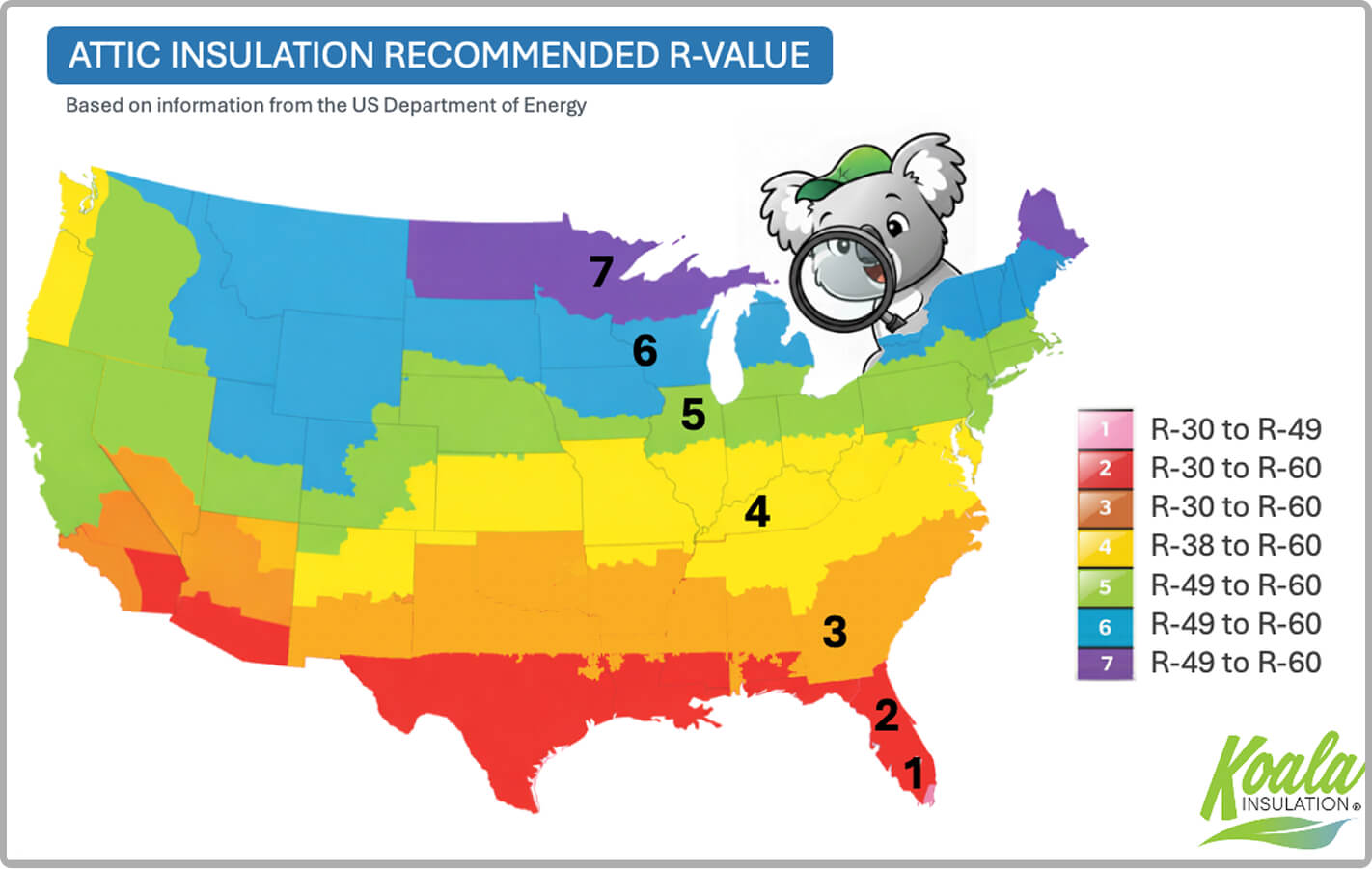
The right amount comes down to three inputs: the square footage of the space, the insulation depth required, and where you live (see the map below). Climate drives the recommended attic R-value, with colder regions needing thicker insulation to slow heat loss and warmer regions needing enough depth to block heat gain. Attic size and target R-value together set how much material consistent coverage requires. Chicago’s North Shore falls in IECC Climate Zone 5A (cold), where DOE and ENERGY STAR guidance calls for attic insulation of roughly R-38 to R-60.
Because insulation requirements vary by region, professional installers base material calculations on climate-zone guidelines, existing insulation levels, and manufacturer coverage charts rather than estimates. This ensures the insulation depth matches the recommended R-value for your area, accounts for natural settling, and avoids gaps that reduce performance. Check the diagram below to see how recommended attic levels change across regions, and why the right depth here is not the same as somewhere else.
Insulation Education
Learn why insulation is critical to your home’s energy efficiency and your family’s comfort.
Learn More
Get a quote
Ready to start your insulation project? Get a free quote from your local Koala Insulation team today.