
Adding Insulation to an Existing Home: What You Need to Know
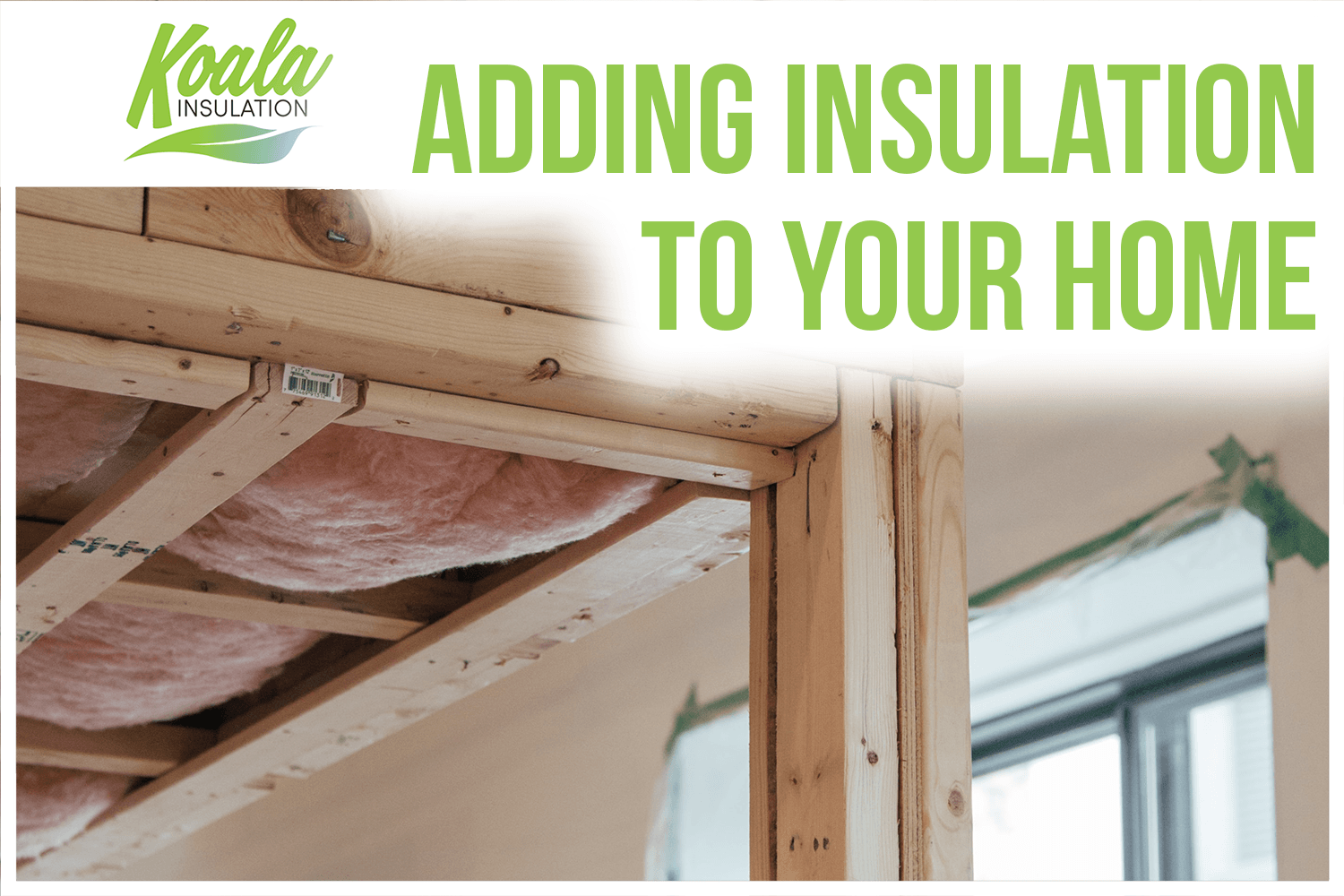
Our team of industry experts continuously covers the need to update your insulation and air sealing throughout the home in order to keep your environment safe and comfortable while also remaining cost-effective and energy-efficient. However, many homeowners may be wary of updating certain areas in the house – doesn’t replacing wall insulation mean damaging the drywall? Luckily, a trained professional knows how to not only evaluate the home for the most necessary updates instead of haphazardly adding in new material, but a great service team also knows how to remove and reinstall insulation with little to no effect on your space!
You can add insulation to many areas of an existing home without a major renovation. New insulation can often be added to attics, crawl spaces, walls, and floors, but damaged, wet, mold-affected, or contaminated insulation may need to be removed first. The best approach depends on the condition of the existing material, the area being insulated, and the R-value your home needs.
The Steps to Adding Insulation in an Existing Home
Inspection the Existing Insulation
Inspecting your home is the first step to finding a cost-effective and energy-efficient solution. This may be an easier project to evaluate if you already understand your home’s R-value requirements and the condition of the existing insulation. However, if this isn’t a part of your handyman expertise, don’t worry; Koala Insulation of Albuquerque and Santa Fe offers free evaluations to determine the current condition of your home’s insulation and air sealing. This provides your household with an accurate assessment of where material may need to be removed and reinstalled so you can make an informed decision.
Ready to start your insulation project?
Insulation’s R-value is the numerical measurement of how well the material reduces the rate at which heat enters and exits your building, which is known as heat transfer. With a higher R-value, the material can more effectively slow the movement of heat through your walls, floors, and ceiling. With an evaluation from a trained professional, you’ll also have an estimated cost of the job which can differ depending on the material and type of insulation you choose to have installed.
Choose the Right Insulation
As a homeowner, you may already be aware that there are many different types of insulation to choose from: common options include batt insulation installation, blown-in attic insulation, and spray foam. However, many homeowners aren’t aware of the differences and benefits of each type. It’s important to remember that every home has its own specific set of needs that can be influenced by variables like your climate zone, building codes, and even the local weather patterns.
One of the biggest mistakes you can make is deciding to have the same insulation type and material reinstalled without assessing your home’s needs. For example, while you may think replacing the fiberglass batts in between your ceiling joists will do the trick, an evaluation may reveal that spray foam insulation is a better fit for the space. This material provides an effective vapor barrier and has a higher R-value per inch at an average of R-6.9 compared to an average of about R-3.4 on fiberglass batts. When it comes to understanding your home’s needs, researching and consulting with local experts can significantly affect your choices.
Add Insulation to the Attic
After you’ve determined where and what kind of new material needs to be installed, it’s time to understand how insulation is added to your home. You’re most likely already familiar with the insulation that’s in your attic – you’ll find material covering the floor, along the walls, and in between ceiling joists.
Deteriorated or damaged insulation that’s along your attic floor may need to be removed before new insulation is installed. Insulation removal services can help clear out damaged, contaminated, or otherwise unsuitable material before the replacement insulation is added. When insulating areas that aren’t damaged by pests or moisture, our insulation team adds blown-in material to bring the R-value up to the necessary depth per inch. For the ceiling, batts are easier to remove than existing spray foam, as they typically just pop right out of the space. The batts can be cut and reshaped in order to fit snugly in the area it needs to be applied to. Spray foam that needs to be removed is scraped off and then reapplied by a certified technician.
Insulate Basements and Crawl Spaces
Installing insulation in your basement and crawl spaces is similar to applying the material in your attic. Exposed wiring, pipes, and beams are all carefully considered before deciding to tuck in batts or use spray foam underneath the floor of the upper level and on exposed walls. It’s also crucial to check the air sealing in this area to prevent moisture from the ground and air leaks. Caulk is the simplest way to fix small cracks, gaps, and holes, but industry air sealant may be required for more significant damage.
Insulating your crawl spaces is a great way to reduce heat loss through your floors, which makes up about 10% of heat loss in a home. Installing material between floor joists and around piping can be tricky, though, depending on your access points. The easiest way to reinsulate this area is to cover the ground and crawl underneath to inspect the material. Crawl spaces need to have strong vapor barriers in order to prevent cold floors and mold or mildew growth, so updated material is very important to consider when inspecting your home. Crawl space encapsulation can also help address moisture and ground-related conditions while improving the overall condition of the space.
Add Insulation to Existing Walls
Luckily, you don’t necessarily need to remove drywall to add insulation to your walls. Instead, by cutting a hole in the exterior siding or along inconspicuous corner points, blow-in or spray foam can be added. The cut-outs are then replaced, sealed, and painted over to restore the area. The most tricky part of the job may come from having to remove any existing insulation.
To remove insulation, part of your wall sheathing or the drywall needs to be removed in order to gain access to the deteriorated or damaged insulation. If there are batts, pulling them out and vacuuming the remaining debris is one of the less complicated methods. For blow-in, you simply need to vacuum the material out of the wall. Once that’s complete, the wall is replaced and the process to reinstall new insulation is started.
Can You Add New Insulation Over Existing Insulation?
In many cases, new insulation can be installed over existing material if the old insulation is dry, clean, and in acceptable condition. Insulation that is wet, mold-affected, pest-damaged, compressed, or contaminated should generally be evaluated and may need to be removed before new material is installed. An insulation assessment can help determine whether adding material or starting with removal is the better option.
Get an Existing Home Insulation Evaluation in New Mexico
Knowing more about your home’s insulation can help you improve your environment’s comfort, safety, and savings. With Koala Insulation of Albuquerque and Santa Fe’s free evaluations, your household has the opportunity to learn more about the material throughout the home and how you can improve the space without causing a significant disturbance. Contact our team of industry experts today to learn more about the impact of insulation and air sealing on a building.
Frequently Asked Questions
Can you add insulation to an existing house?
Yes. Attics, walls, floors, basements, and crawl spaces can often be reinsulated without a full renovation. The installation method depends on the area and the condition of the existing insulation.
Can you put new insulation over old insulation?
Often, yes, if the existing insulation is dry, clean, and in good condition. Damaged, contaminated, or moisture-affected insulation may need to be removed first.
Do you have to remove drywall to add insulation to existing walls?
Not always. Some insulation methods can access wall cavities through strategically placed openings, although the appropriate method depends on the home’s construction and existing insulation.
Should old insulation be removed before adding new insulation?
Removal may be appropriate when insulation has been damaged by moisture, pests, contamination, or deterioration. Insulation that remains in good condition may sometimes stay in place.
Find Your Location



Get a quote