
Do Solar Attic Fans Actually Lower Your Energy Bills in Mid-Michigan?
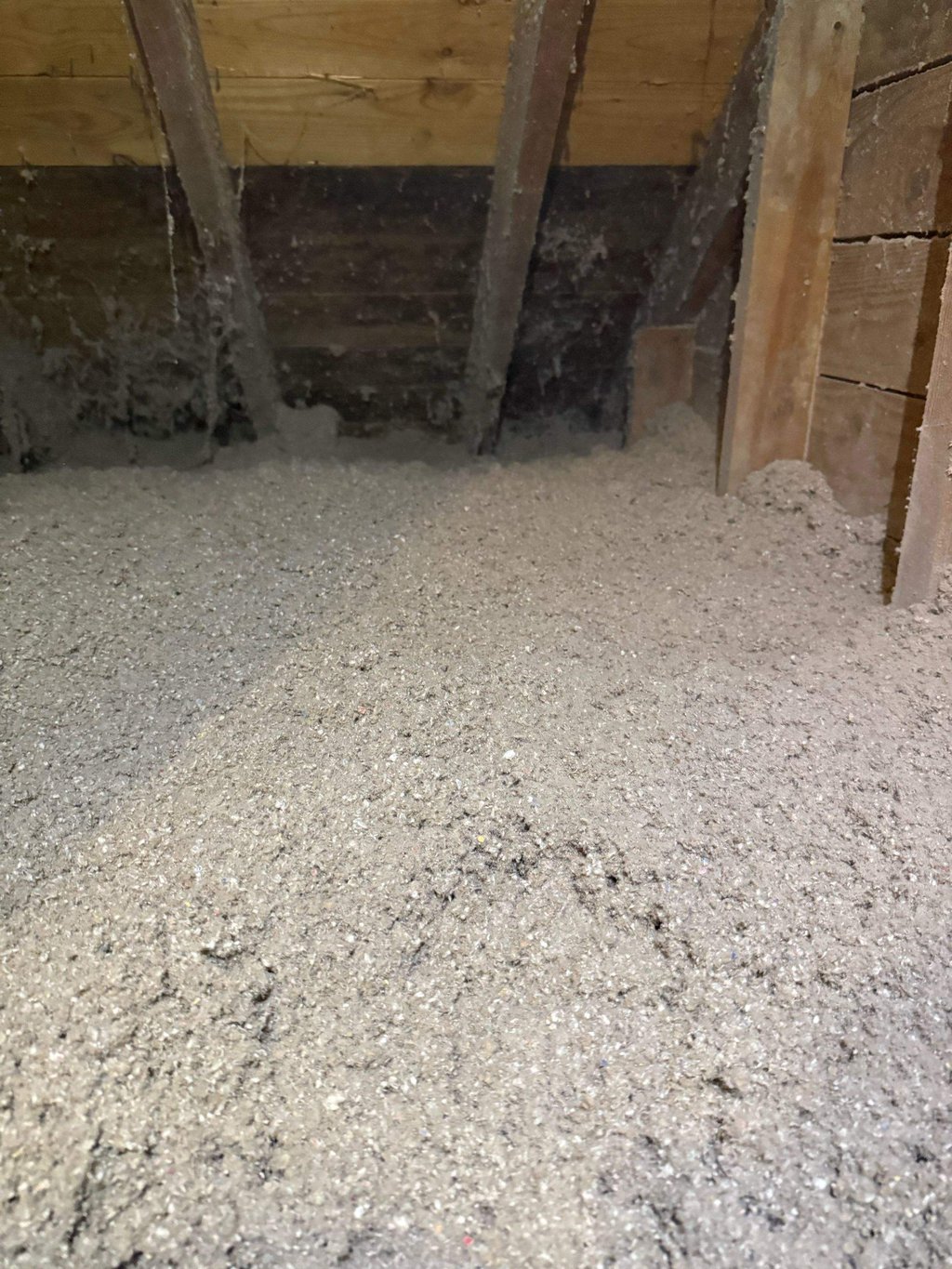
By late July, the upstairs of a Saginaw ranch can feel like a different house from the downstairs. Same thermostat, same furnace filter, and ten degrees of difference between the living room and the back bedroom. The cause is usually sitting a few inches above your ceiling. On a sunny afternoon, the air in an unshaded Michigan attic can push past 130 degrees, and that heat doesn’t stay put.
Koala Insulation of Mid-Michigan installs solar attic fans across Bay City, Saginaw, and Midland, and every summer brings the same question. Will one of these actually cut my bill? It can, under conditions that most product pages skip past. Here is what those conditions are.
What A Solar Attic Fan Actually Does
A small photovoltaic panel sits on top of the fan housing. Sun hits the panel, the panel runs the motor, and the fan pushes hot air out of the attic while replacement air gets drawn in through the soffit vents along your eaves. Nothing is wired into your electrical panel, so nothing shows up on your Consumers Energy bill. The unit works hardest on the brightest, hottest afternoons, which is exactly when you want it working. That part of the pitch is true.
Ready to start your insulation project?
Why Your Attic Gets So Hot In The First Place
Shingles absorb sunlight and the roof deck heats up. That heat radiates down onto the top surface of your attic insulation, and from there it works its way through the ceiling into the rooms below. Insulation slows the process. It doesn’t stop it. When your air conditioner is fighting outdoor heat and ceiling gain at once, it runs long cycles and never quite catches up on the second floor. Our cooling season is short. The three or four weeks that make it miserable are the ones people remember when the bill arrives.
What The Measured Research Says
The Florida Solar Energy Center ran a case study on a Central Florida house fitted with photovoltaic attic fans. Peak summer attic air temperature dropped by more than 20 degrees, measured space-cooling demand fell by about 6 percent, and the annual saving came to roughly 460 kilowatt-hours.
Two things about that number. It’s measured data rather than a marketing claim, which already puts it ahead of most of what gets written about attic fans. It also comes from a climate where the air conditioner runs nine months a year. Mid-Michigan runs maybe three. Scale the expectation accordingly, and be wary of anyone who quotes you a specific dollar figure for your specific house before they’ve been in your attic.
Air Sealing Has To Come First
The same research center warns that powered ventilators can depressurize an attic and pull air up from the house through small openings in the ceiling. That warning matters more than anything else in this article.
Your ceiling isn’t solid. There are gaps around plumbing stacks, at the top plates of interior walls, around recessed light cans, at the bathroom fan housing, and around the attic hatch. Install a fan above all that and the easiest air for it to grab is the air you just paid to cool. It goes up through the ceiling and out the roof, and outdoor air pulls in elsewhere to replace it.
Bay City’s older neighborhoods make this worse. Much of that housing is balloon framed, so the wall cavities run uninterrupted from the basement sill to the attic with nothing to slow air moving up them. There’s a safety side to it too. If you have an atmospherically vented water heater or furnace, negative pressure inside the house can interfere with how those appliances draft. Seal the ceiling plane, then talk about ventilation. That order isn’t negotiable.
Intake Matters As Much As Exhaust
A fan can only exhaust what it can replace. Soffit vents get blocked more often than homeowners expect. Batts shoved out to the eave with no baffle behind them, blown insulation drifted into the vent channel, or soffit panels painted shut during a siding job will all starve the intake. When that happens, the fan finds its air somewhere else, and somewhere else is your living space.
If the roof already has a continuous ridge vent, a roof-mounted fan will often pull air back down through the ridge rather than drawing it from the soffits. Midland has a good number of mid-century homes with low-slope roofs and shallow attic space where the intake area isn’t there to support a powered fan at all. In houses like those, the honest recommendation is to fix the insulation and skip the fan.
What It Will Not Do In A Michigan Winter
Solar attic fans get sold as a year-round product. In January, the sun sits low, the sky over Saginaw Bay is gray for weeks at a stretch, and the panel produces very little. Don’t buy one expecting it to solve ice dams.
Ice dams form because heat escapes the house into the attic, melts the snowpack from underneath, and the meltwater refreezes once it reaches the cold overhang. The fix is sealing the leaks and getting the insulation depth up. The Department of Energy recommends R-49 to R-60 in the attic for our climate zone. Four inches of settled loose fill, which is what plenty of post-war ranches around here still have, works out to somewhere near R-11 to R-14. That gap is where the winter money goes.
When A Solar Attic Fan Is Worth Buying Here
Once the ceiling is sealed and the attic is insulated to depth, a solar fan earns its place in a few situations. Houses with soffit intake that’s open and generous. Attics with no ridge vent competing for the same air. Second-floor bedrooms that still run hot in July after the insulation work is finished. Detached shops and pole barns that get used through the summer, where nobody wants to run a new circuit out to a roof fan.
It’s an add-on that makes a well-built attic perform better. It won’t substitute for the work underneath it.
Summing Up
Before you price a fan, go up in the attic with a tape measure and check the depth of what’s up there against the top of a joist. A 2×6 joist stands five and a half inches tall. If your insulation is level with it or below it, ventilation isn’t your first problem. Then step outside, look up at the soffits, and see whether the vents are open or painted over.
If you’d rather someone else crawl around up there, our team will assess the attic as one system, air sealing and insulation and ventilation together, and tell you which of the three is actually costing you money.
Get a free quote and Insulate your home now with Koala Insulation of Mid-Michigan.
Find Your Location



Get a quote