
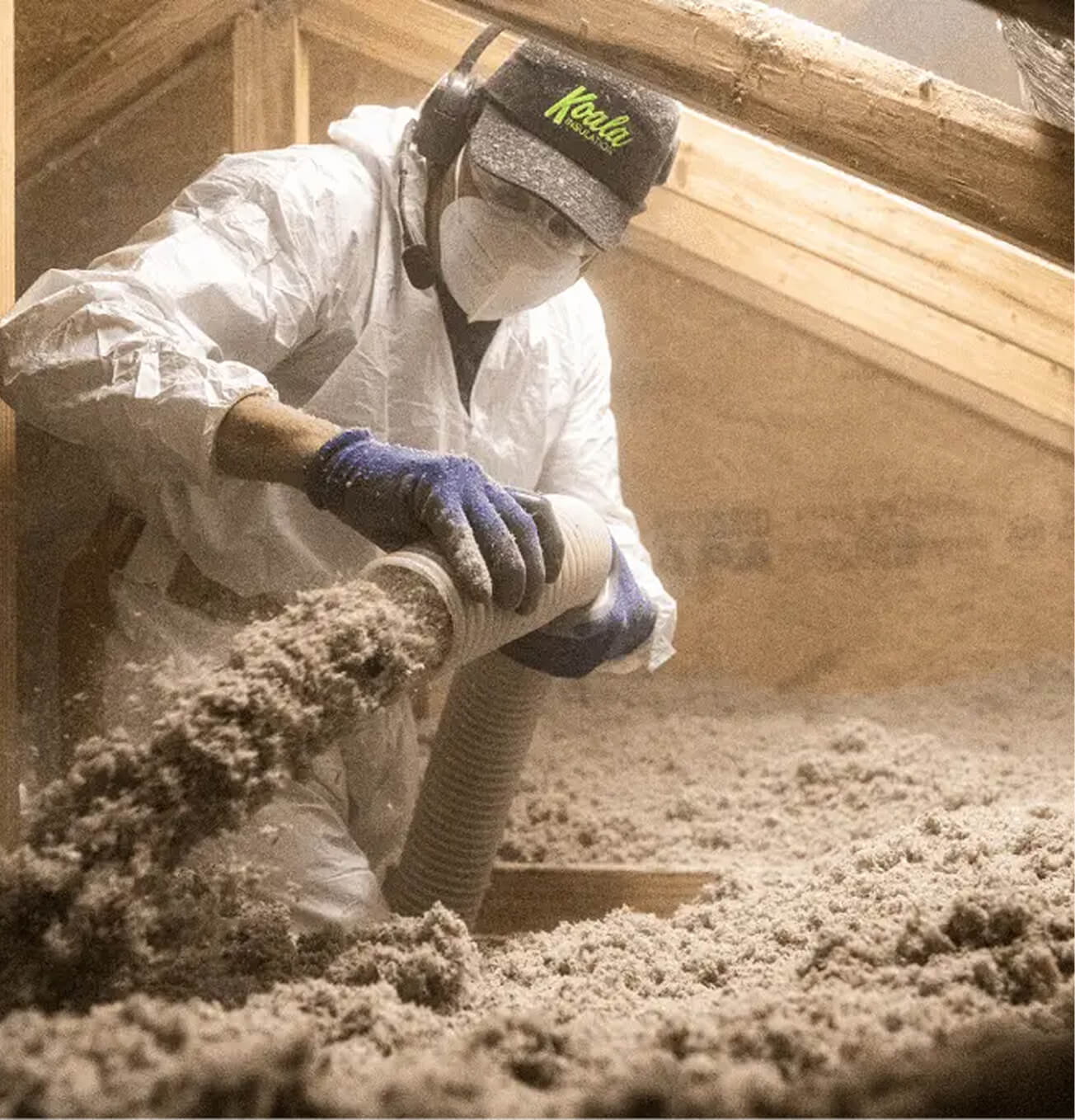

Blocks Conductive Heat Loss: A thicker, more uniform loose-fill layer slows heat transfer through ceilings and walls, helping rooms stay more consistent in humid summers and cooler winters.
Local Blown-In Insulation in Virginia Beach, VA
Let Our Insulation Experts Show You The Many Benefits Of Our High Performance Insulation.
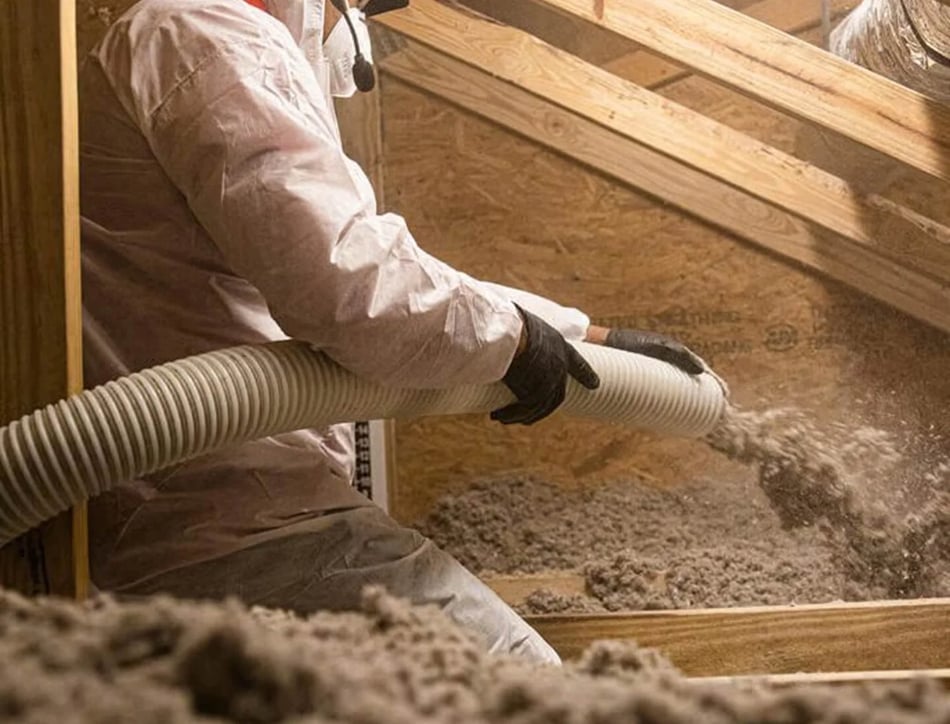
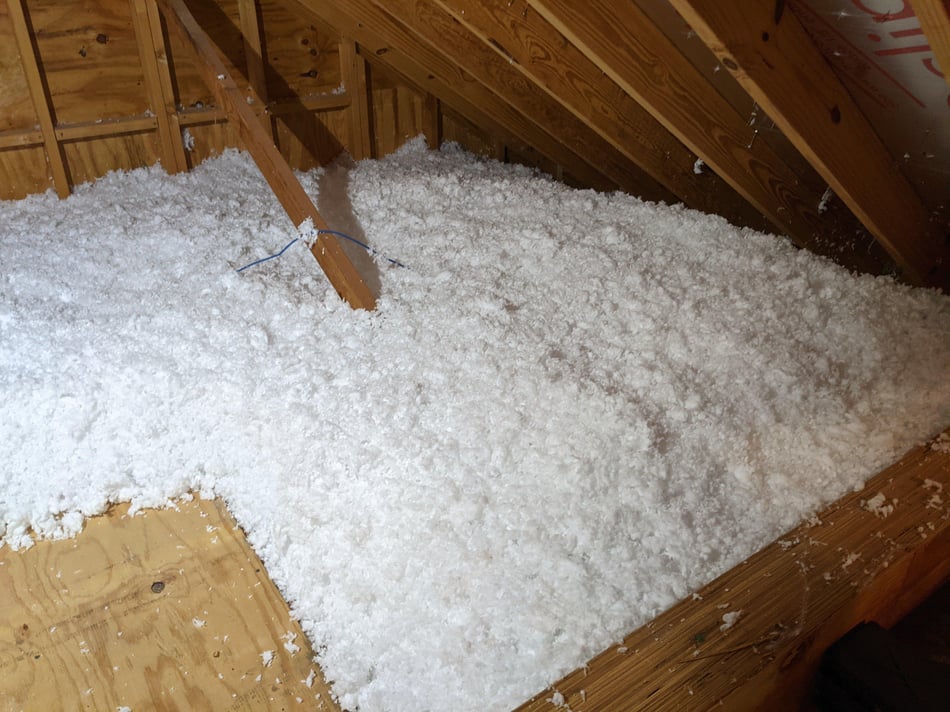
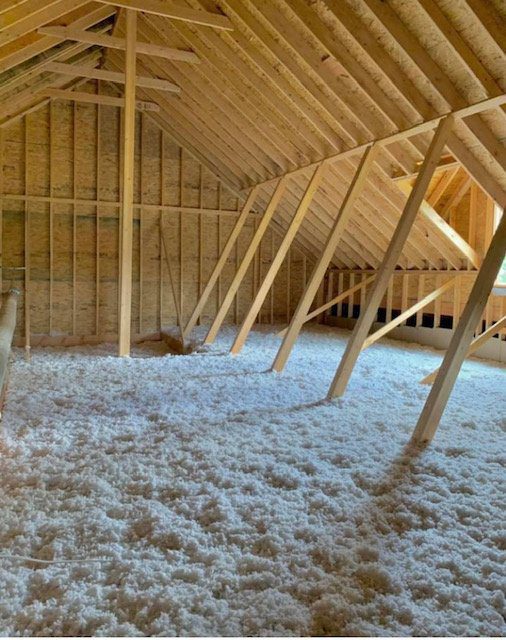
Blown-in insulation is a fast, good-value way to improve comfort in coastal Hampton Roads homes. Our crews use a hose to blow loose-fill fiberglass or cellulose into attics and enclosed cavities, topping off thin, uneven, or storm-aged insulation and bringing attic coverage up to current recommendations.
From Virginia Beach and Norfolk to Chesapeake, Portsmouth, and Suffolk, Koala Insulation of Greater Virginia Beach pairs loose-fill insulation with attic air sealing so homes hold conditioned air through long, humid cooling seasons and damp coastal winters.
Get a Free Estimate


Trusted
Your Trusted Blown-In Insulation Team in Greater Virginia Beach

Tidewater’s hot, humid summers and damp winters keep HVAC systems working hard, and many local attics still have thin, decades-old or compressed insulation that no longer performs. Blown-in insulation is well suited to attic floors, some retrofit wall cavities, and kneewalls or sloped ceilings where batts are difficult to fit without gaps.
Because coastal humidity and attic ventilation go hand in hand, we air seal the attic plane and confirm that soffit vents and baffles stay clear before adding loose-fill. The goal is consistent depth, a steady R-value, and an attic that manages heat and moisture rather than trapping it.
A Superior
A Superior Whole-Home Thermal Upgrade
Loose-fill insulation fills around joists, wiring, and penetrations to form a more continuous blanket than cut-and-fit batts, which helps coastal homes resist heat gain and hold conditioned air. Paired with air sealing and correct attic ventilation, it supports comfort and lower energy use through the region's long cooling season.
These capabilities define the insulation type:
Blocks Air Infiltration: Combined with attic air sealing, blown-in insulation reduces drafts and the movement of humid outdoor air around framing, wiring, and penetrations.
Supports Moisture Control: A correct attic R-value with clear ventilation and baffles helps limit condensation. Loose-fill does not repair roof leaks, bath-fan venting, or crawl-space moisture, which are handled separately.
Advantages Of
Blown-In Attic Insulation in Greater Virginia Beach
Blown-in insulation installs quickly, tops off existing layers, and supports lower energy costs and year-round comfort in a demanding coastal climate. It is most effective when the attic is air sealed first and ventilation is confirmed, so the new material performs as intended.

Improved Air Quality
Air sealing the attic before blowing helps keep outdoor dust, pollen, and humid air from drifting into living spaces through ceiling penetrations. In a high-humidity region, pairing insulation with proper exhaust and ventilation supports healthier, more comfortable indoor air.

Water & Fire Resistance
Blown-in products are manufactured with fire safety in mind, and our crews follow the Virginia Uniform Statewide Building Code and manufacturer guidance for clearances around recessed lights, chimneys, flues, and other heat sources. Insulation is not a moisture repair, so roof leaks and ventilation issues are corrected first.

Pest and Wildlife Protection
Among blown-in options, only cellulose is manufactured with pest-resistant additives. Combined with attic air sealing that closes entry gaps, this can support a better-protected attic, though insulation is not pest control and active infestations should be addressed before installation.

Soundproofing
Loose-fill insulation absorbs airborne sound and can reduce noise from traffic, aircraft, neighbors, and activity in rooms below, which is a welcome benefit in busy coastal and military-adjacent neighborhoods across Hampton Roads.

Environmentally Friendly
Blown-in insulation is available with recycled content, and a properly insulated, air-sealed attic can reduce energy use by up to 40% according to industry studies, which lowers a coastal home’s cooling demand and carbon footprint over time.
Greater Virginia Beach's Stress-Free 4-Step
Blown-In Installation Process

Free Insulation Assessment
A local Koala Insulation expert evaluates your attic, current insulation depth, air-leakage points, and ventilation, then recommends the right loose-fill material and target R-value for your Hampton Roads home at no cost.
- Prep for Safe InstallationWe protect floors and work areas, set up safe attic access, and install depth markers so coverage can be verified. Where needed, we add eave baffles to keep soffit vents clear, which protects airflow in a humid coastal attic.
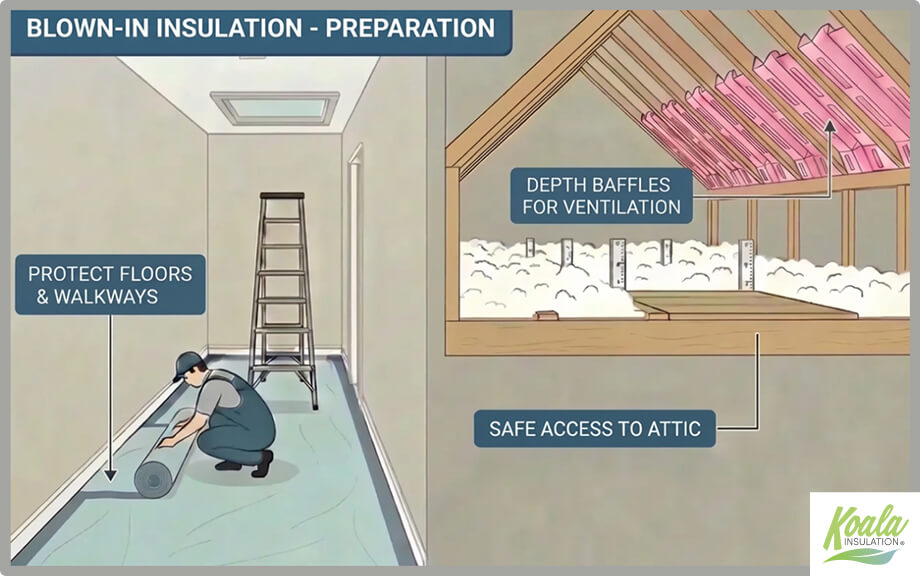
Koala Difference: Baffles and depth markers are placed before any material goes in, so ventilation is preserved and the finished depth can be checked objectively rather than estimated by eye.
- Seal Key Leaks and Set Up EquipmentBefore insulating, we locate and seal major attic air leaks such as plumbing and wiring penetrations, recessed lights, top plates, and the attic hatch. Sealing these paths first keeps humid air and conditioned air from bypassing the new insulation.
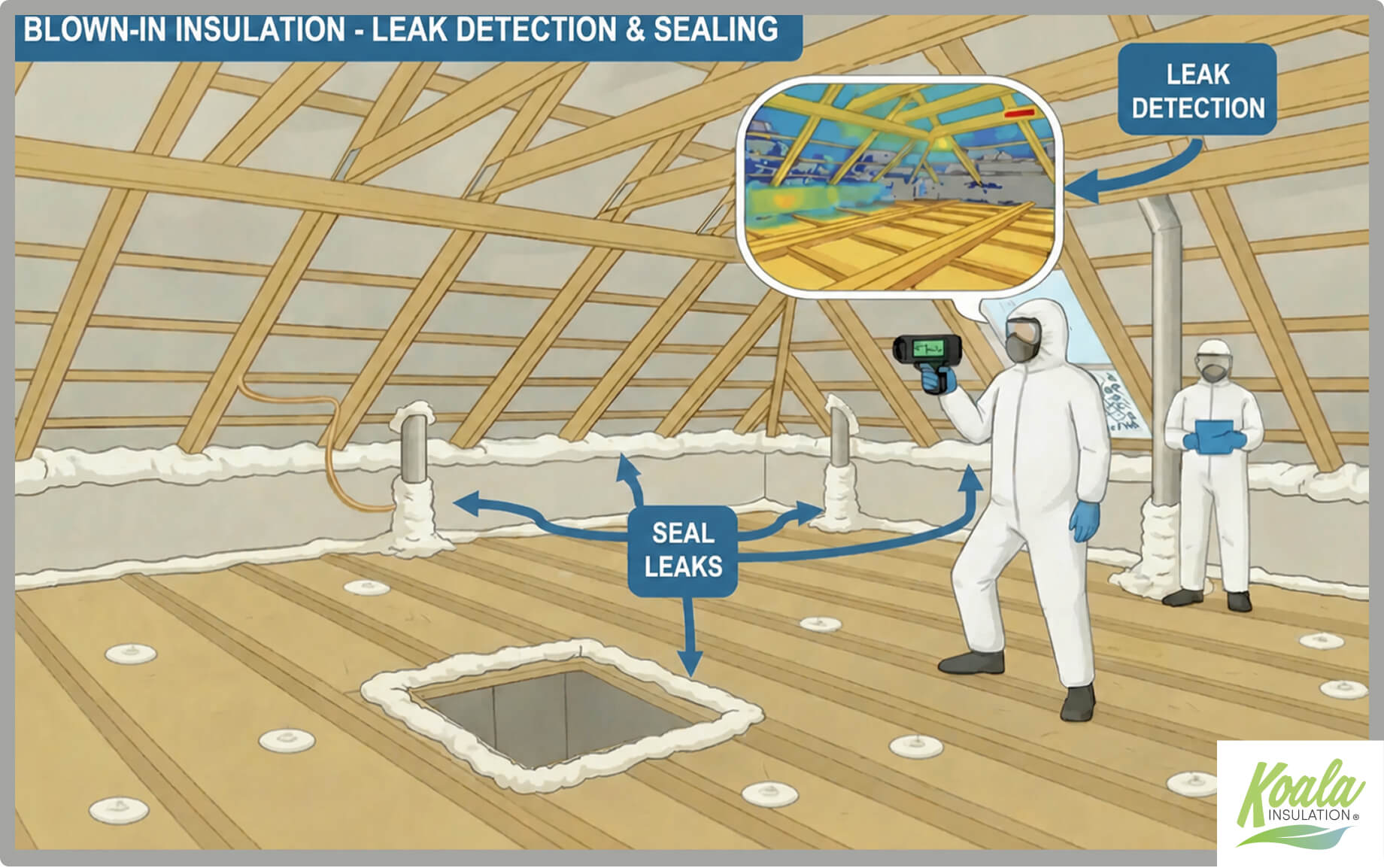
Koala Difference: Air sealing the attic plane before adding loose-fill is what lets the rated R-value actually perform, instead of blowing insulation over gaps that keep leaking.
- Blow In and Level the InsulationInstallers blow fiberglass or cellulose to the specified depth and R-value, filling corners, edges, and around obstructions for even coverage. Depth markers are checked throughout so the attic reaches a consistent, uniform layer.
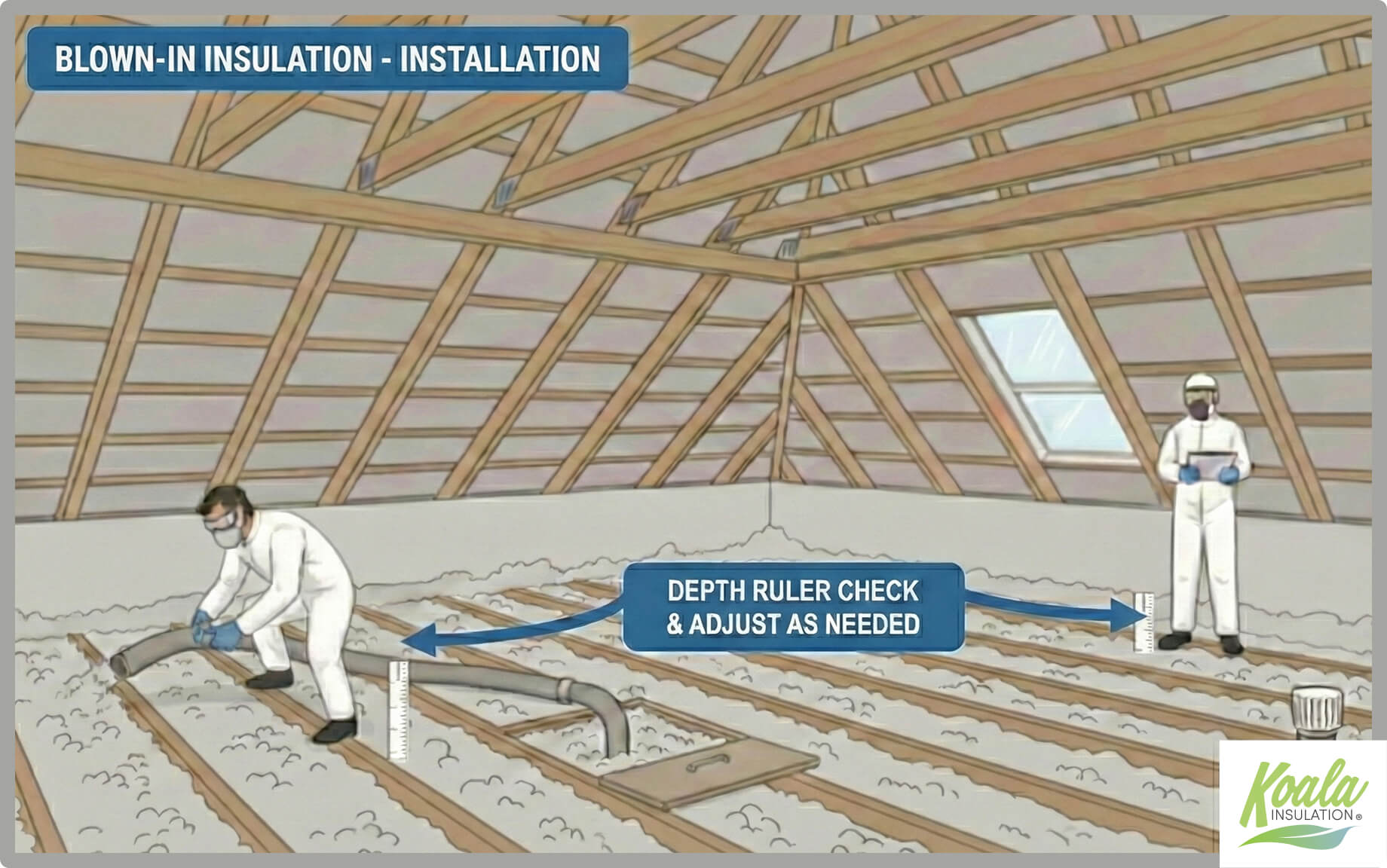
Koala Difference: Coverage is verified against the target depth and manufacturer coverage chart, not just the bag count, so the finished attic meets the intended R-value across the whole area.
- Wrap Up and Review
We vacuum and clean the work areas, confirm the attic access is sealed and insulated, and walk you through the completed work. We also point out any available rebates or tax credits that may apply to your project.
Koala Difference: When current rebates or tax incentives may apply, we organize the available project documentation so you can review eligibility with the appropriate program or tax professional. Eligibility and incentive value are not guaranteed.
Get a Quote
Ready for a more comfortable, energy-efficient home in Virginia Beach, Norfolk, or Chesapeake? Work with a local team that air seals before it insulates. Schedule a free quote with Koala Insulation of Greater Virginia Beach today!
What to Expect
In 5 Easy Steps
In 5 Easy Steps
What to Expect
In 5 Easy Steps

Schedule Your Free Evaluation
Contact your nearest Koala Insulation Location, recognized as the #1 trusted insulation expert nationwide. We will discuss your needs and schedule an appointment to provide a free evaluation.

Home Efficiency Assessment & Estimate
One of our friendly insulation experts will perform a thorough home efficiency assessment. Your insulation expert will then review the assessment findings, the science behind these findings, and why any changes are needed. Lastly, your insulation expert will provide the best option that fits your home efficiency needs and your budget.

Schedule Your Insulation Service
We will schedule your insulation service for the soonest availability that fits your schedule because we understand that your home insulation is a priority!

Installation
Our team of highly skilled insulation technicians will install your premium insulation solution in as little as two hours. We treat your home like our own and take time to leave it cleaner than it was before.
Post Installation Inspection
Contact your nearest Koala Insulation Location, recognized as the #1 trusted insulation expert nationwide. We will discuss your needs and schedule an appointment to provide a free evaluation.

Enjoy Your Comfortable & Efficient Home
Enjoy a more efficient home with lower energy bills and improved comfort year-round. Enjoy your improved home stress free knowing that Koala Insulation stands behind their work! Reach out to your Koala Insulation team anytime for support.

Benefits

Enhanced Comfort

Energy Savings

Quality Materials

Eco-Friendly Options
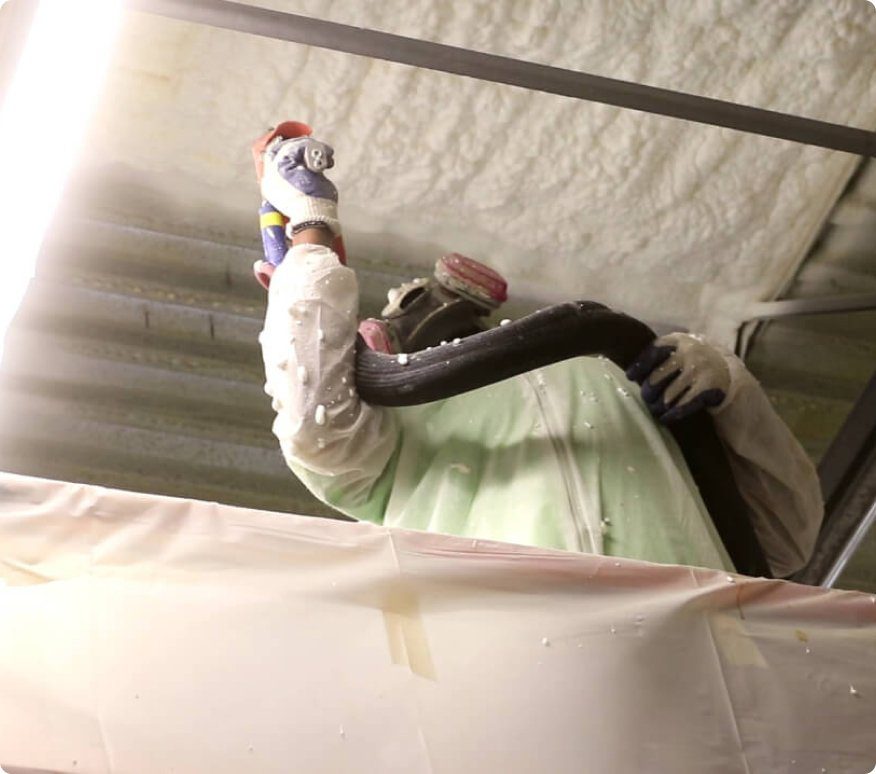
Enhanced Comfort
Stay cozy inside, no matter the weather outside.
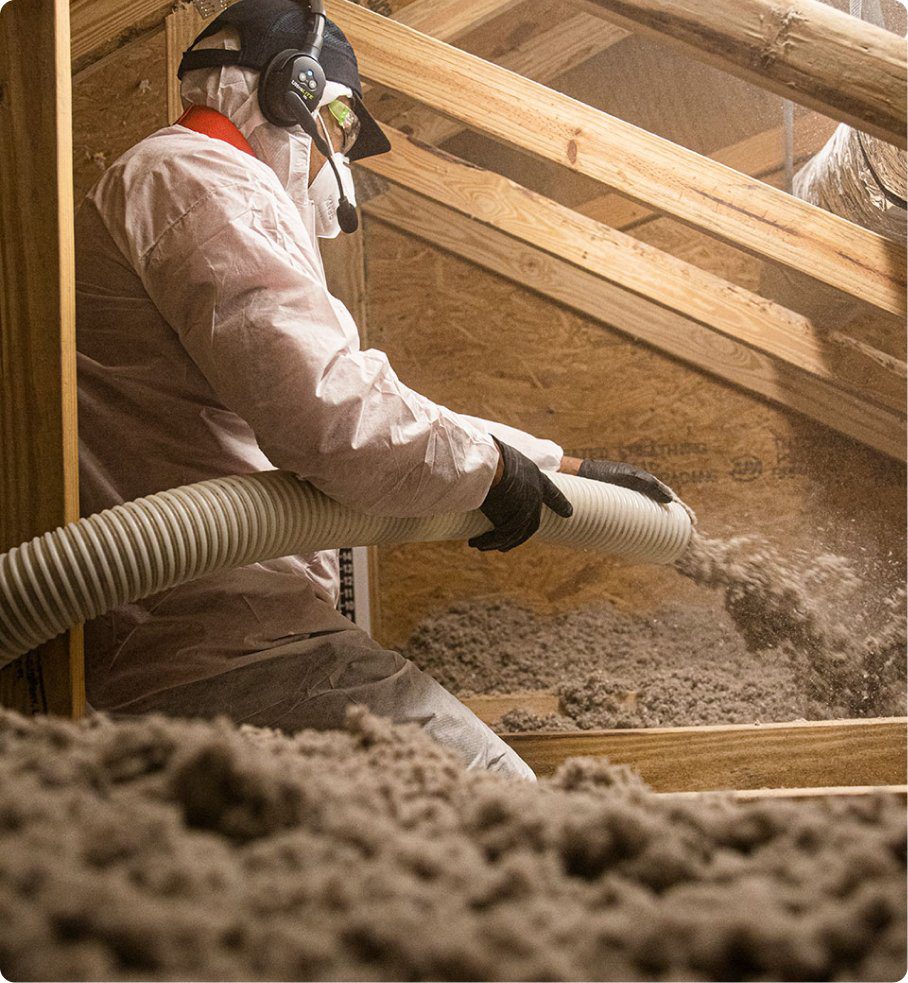
Energy Savings
Save on your energy bills while keeping your home comfy all year.
Reduced Noise
We use top-quality insulation to give you lasting results.
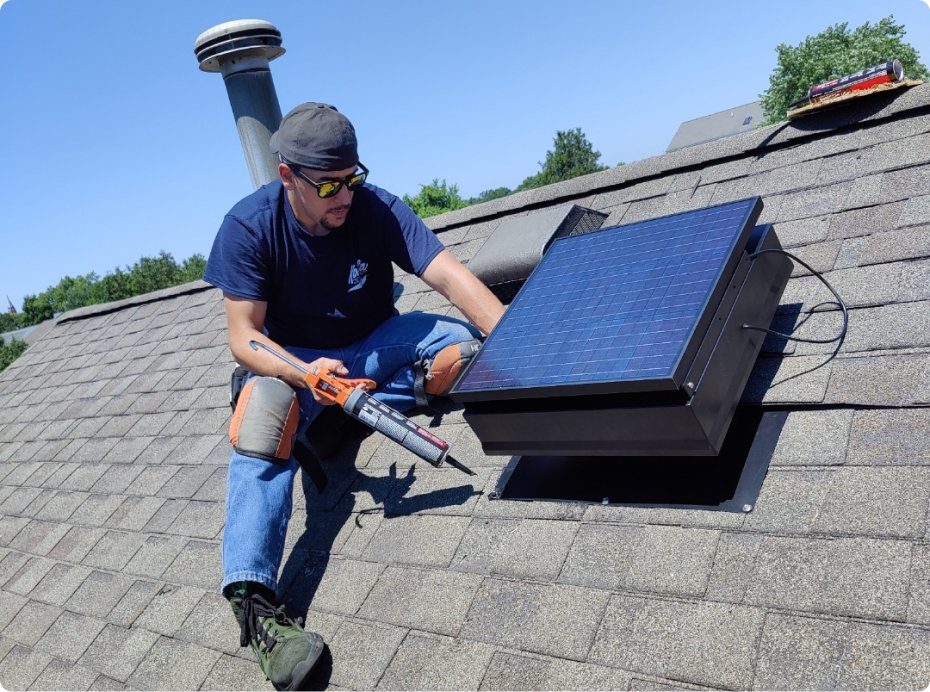
Eco Friendly
Choose insulation that’s better for your home and the planet, such as solar-powered attic fans.
Your Satisfaction is
Your Satisfaction Is Our Top Priority
Read what customers say about Koala Insulation’s communication, workmanship, cleanliness, and professional service. Every project starts with a clear assessment and ends with a walkthrough of the completed attic.


Sean R
15:40 22 May 25
Kyle came to my house to give me a quote for adding insulation in my attic. He explained the options and the total cost. Also, he pointed out a tax credit for adding insulation along with where to find the IRS Form.
Chris and Dre showed up the next day to do the job. Both were very professional and efficient during the process of adding more insulation.
I highly recommend Koala Insulation of Melbourne and Orlando.
Chris and Dre showed up the next day to do the job. Both were very professional and efficient during the process of adding more insulation.
I highly recommend Koala Insulation of Melbourne and Orlando.

Diane Pleuss
17:33 21 Apr 25
Trent Schwenn’s middle name should be customer service! He has a heart for genuinely helping people.
As the owner of Koala Insulation, he is professional, as is his well-trained staff. You can trust his crew to use quality materials and ensure energy-saving solutions.
Plus, they use eco-friendly products to help make your home or business more energy efficient.
There’s lots more I could add, but I suggest you check them out yourself

Candace Terry
21:31 04 Feb 25
I had an excellent experience working with Koala. They were prompt with their services and delivered as they said. I recommend their services to those looking.

Conner Ivan
14:19 25 Sep 24
I want to give a HUGE!!!! Shout out! to James and Josh for all the training and knowledge they gave me while I was at Headquarters. I really can’t say enough good about these two guys. I highly recommend going to the spray foam boot camp training. I learned ALOT and had a GREAT! time as well. I appreciate you both more then you know and thank you guys again!!!!! Also thank you to everyone at headquarters for being such great hostess’s. Amazing! Experience! I will never forget it! THANK YOU!!!! KOALA! HEADQUARTERS!!!!!!!

Toni Nick
20:05 17 Sep 24
We had a fantastic experience with Koala Insulation, especially thanks to Kyle. From the moment he arrived, he was incredibly polite and professional. He took the time to explain the entire process to us, answered all our questions with patience, and made sure I felt comfortable with every step. It's rare to find such courteous and respectful service nowadays, and Kyle truly went above and beyond. I will be recommending this buisness to our friends and family!

Leira Wilkerson
14:31 10 Jul 24
Chris and Dre came on time with a quick turn around on scheduling. They took time to show us and explain everything which was appreciated.

Robert Macniven
10:56 03 Jun 24

Glad Tidings
19:38 13 May 24
Hired Koala to update my attic insulation to R38, install a solar attic fan and add insulation to my garage. Excellent job, there were well worth the money. I recommend this business.

Bonnie Cameron
15:53 08 Apr 24
Fantastic customer service! Excellent price! Mike and Connor arrived on time, did an exceptional job even doing a couple things that I didn’t know needed to be done in my attic, and left everything very clean. They were polite and wonderful the entire time they were here. Excellent work, excellent price, and would definitely recommend them as a great company to use.
Why Choose Koala
A Local Team Backed by National Standards
Local experts, national standards: A consistent, proven process delivered by a locally owned and operated Greater Virginia Beach team that understands coastal homes and the Tidewater climate.
Trained, professional crews: Our installers use professional-grade equipment and are trained in depth, coverage, and attic ventilation so your insulation performs as specified.
Safety and site care: Careful preparation, code-compliant clearances around heat sources, and a clean, vacuumed site when the job is complete.
Incentive support: We help identify available rebates and tax credits that can lower the net cost of your insulation project.
Get a Quote
Ready for a more comfortable, energy-efficient home in Virginia Beach, Norfolk, or Chesapeake? Work with a local team that air seals before it insulates. Schedule a free quote with Koala Insulation of Greater Virginia Beach today!
Frequently Asked Questions
Virginia Beach Blown-In Insulation FAQs
Get all your questions answered by our local experts. If we didn’t address your question here, give us a call at 844-805-6243 or schedule a free quote today!
What does blown-in insulation cost in Virginia Beach?
Cost depends on the size of the attic, the material type, since cellulose and fiberglass are priced differently, and the scope of the project, including access, air sealing, and removal of old or storm-damaged insulation. Available rebates or tax credits may lower the net cost.
Koala Insulation of Greater Virginia Beach provides free assessments and written quotes that identify the material, target depth and R-value, preparation, and any air sealing so you can compare the project on more than price alone.
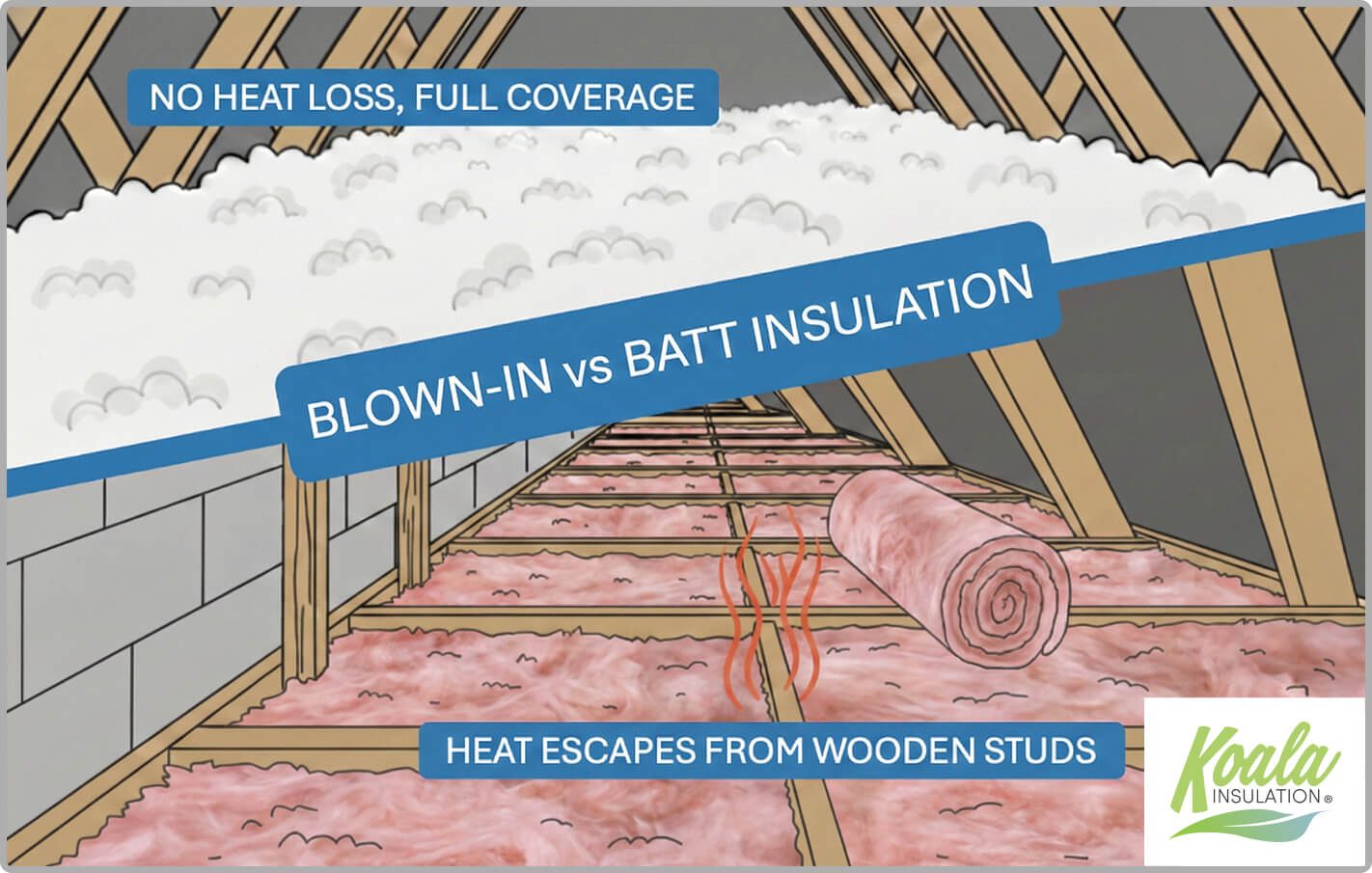
Is blown-in insulation better than rolls or batts?
For most attics, blown-in has an advantage. Loose-fill creates a more continuous layer that fills around joists, wiring, pipes, and corners, where batts often leave gaps that cause drafts and uneven temperatures.
Batt insulation still has its place, such as in some open walls and specific assemblies. We recommend the approach that fits the space, and in many Hampton Roads attics that is blown-in over an air-sealed ceiling plane.
How much blown-in insulation do I need in Virginia Beach?
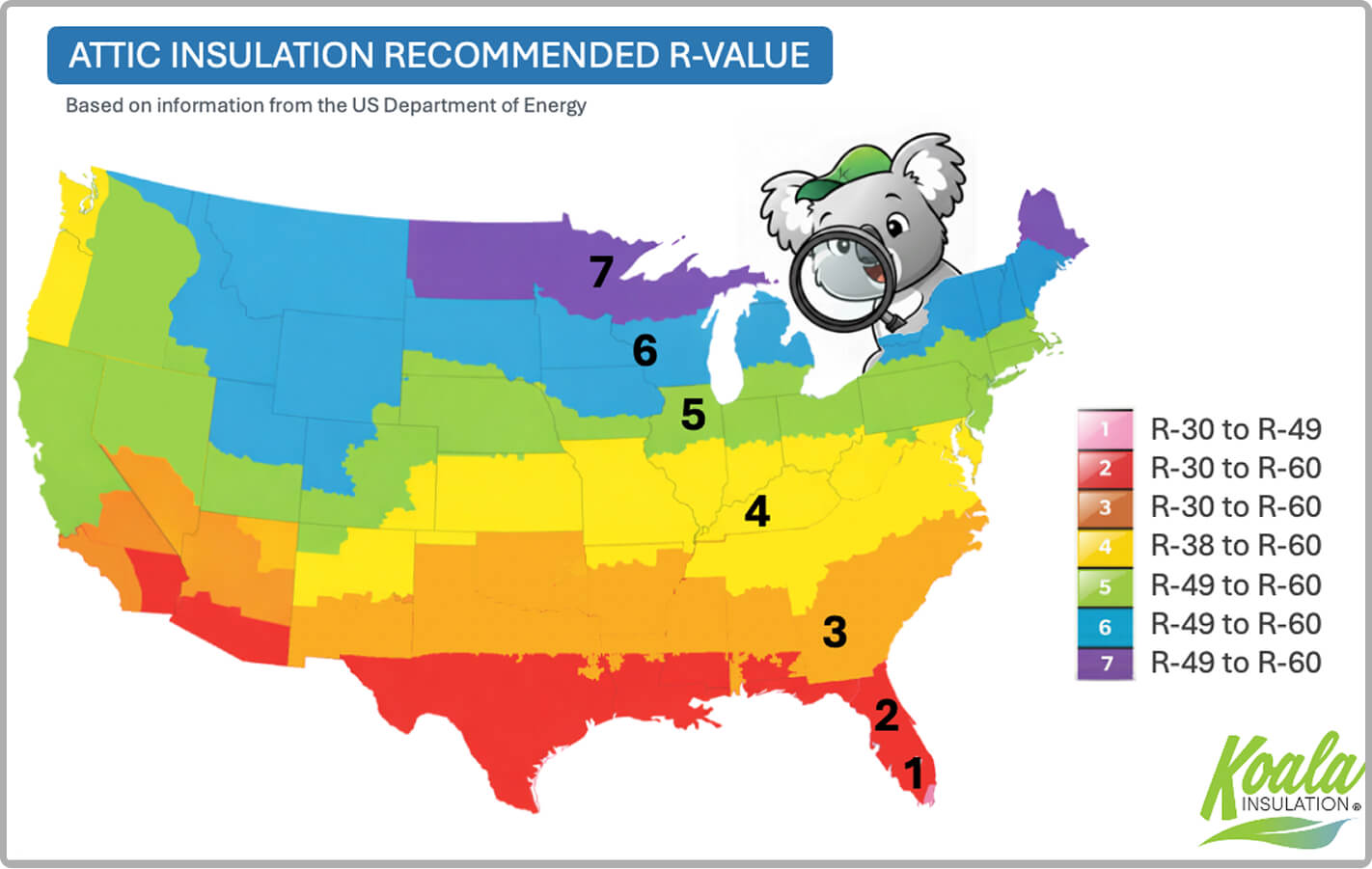
It depends on your attic’s square footage, the existing depth, and the climate. Virginia Beach and the Hampton Roads area fall in IECC Climate Zone 3A, and DOE and ENERGY STAR guidance for attics in this zone is roughly R-30 to R-60.
Our installers use these climate guidelines, your current insulation depth, and the manufacturer’s coverage chart to calculate the right amount, then verify the finished depth against markers placed before installation.
Insulation Education
Learn why insulation is critical to your home’s energy efficiency and your family’s comfort.
Learn More
Get a quote
Ready to start your insulation project? Get a free quote from your local Koala Insulation team today.