
Comparing Insulation Types for Cold Climates: Finding the Best Fit for Your Home
Understanding Insulation for Maryland Winters
As temperatures drop across the Baltimore area, a well-insulated home becomes essential for keeping warmth in and energy bills low. Choosing the right insulation type can make a major difference in both comfort and efficiency. The most common options—spray foam, fiberglass, and cellulose—each offer unique advantages depending on your home’s structure, budget, and energy goals. Here’s how they stack up when it comes to performance in cold climates.
Spray Foam, Fiberglass, and Cellulose: Pros and Cons
Spray Foam Insulation
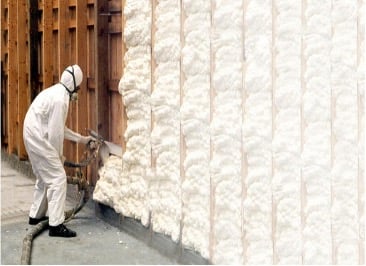
Spray foam is one of the most effective solutions for cold climates because it creates an airtight seal that prevents heat from escaping and cold drafts from entering. Its superior air-sealing properties also block moisture and reduce the risk of ice dams in attics. While spray foam is a higher upfront investment, it offers exceptional long-term savings through improved energy efficiency and durability.
Pros: Excellent air seal, high R-value, moisture resistant, long lifespan.
Cons: Higher installation cost, requires professional application.
Ready to start your insulation project?
Fiberglass Insulation
Fiberglass remains one of the most widely used and cost-effective insulation materials. It’s made from fine glass fibers and is available in batts or loose-fill form. Fiberglass provides solid thermal resistance and can be easily installed in attics, walls, and crawl spaces. However, it doesn’t seal air leaks on its own—pairing it with proper air sealing is key to maximizing comfort in cold weather.
Pros: Affordable, easy to install, non-combustible.
Cons: Less effective at air sealing, can lose efficiency if compressed or wet.
Cellulose Insulation
Cellulose, made primarily from recycled paper, is an eco-friendly insulation option that performs well in cold climates. It fills gaps and voids effectively, helping to reduce drafts and heat loss. When properly installed, cellulose offers good thermal performance and soundproofing benefits. However, it can settle over time, and moisture exposure may reduce its effectiveness.
Pros: Eco-friendly, good coverage, effective sound barrier.
Cons: Can settle or absorb moisture, requires professional installation for best results.
Which Insulation Is Best for Your Baltimore Home?
The best insulation type depends on your home’s needs and priorities. If you’re looking for maximum energy efficiency and long-term savings, spray foam insulation offers unmatched performance in sealing and temperature control. For homeowners seeking a budget-friendly option, fiberglass is a reliable choice when paired with proper air sealing. Meanwhile, cellulose is ideal for those prioritizing sustainability and dense coverage.
At Koala Insulation of Baltimore, our experts can assess your home and recommend the right insulation for your comfort and efficiency goals this winter. A warmer, more energy-efficient home starts with the right insulation—contact us today to schedule your free evaluation!
Find Your Location



Get a quote