
Xcel Raised Rates June 1: How Better Insulation Can Help Lower Your Bill
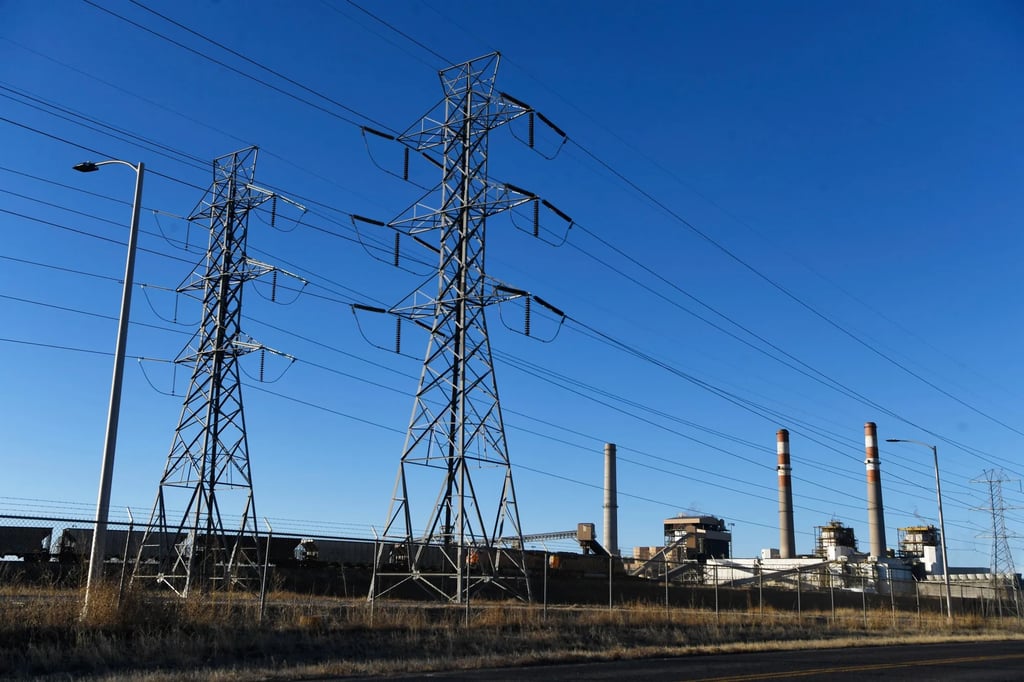
If your Xcel Energy bill looks higher after the June 1 rate change, you are not alone in taking a closer look at where your home is using electricity. While homeowners cannot control utility rates, they can often control how much energy their home needs to stay comfortable. Better insulation and air sealing help reduce heat gain in summer and heat loss in winter, which can lower heating and cooling demand and help lower your Xcel bill over time.
For homeowners in Englewood, Highlands Ranch, Parker, Castle Rock, Centennial, Lone Tree, Castle Pines, Franktown, Sedalia, Elizabeth, Larkspur, Monument, North Colorado Springs, and nearby communities, insulation matters because Front Range homes face hot sun, dry air, wind, hail-season temperature swings, and cold winter nights. Even newer homes can have under-insulated attics, leaky can lights, gaps around plumbing penetrations, poorly insulated knee walls, or ductwork running through hot or cold spaces.
This guide explains why your bill may be rising, how insulation affects electric usage, which home areas to inspect first, and how Koala Insulation of Southeast Denver helps homeowners make practical, high-impact improvements without guesswork.
Ready to start your insulation project?
Why did my Xcel bill go up after June 1?
A higher Xcel bill after June 1 may reflect a rate adjustment, seasonal usage changes, or both. Utility bills are affected by the price of electricity, how many kilowatt-hours your home uses, weather, rate plan structure, fees, taxes, and household behavior. If rates increase and your home also uses more electricity for air conditioning, fans, dehumidification, appliances, or electric heating equipment, the impact can feel significant.
The first step is to separate rate changes from usage changes. Look at your current bill and compare it with the same month last year, not just last month. In Colorado, May-to-June changes can be misleading because cooling demand usually increases as days get hotter. Compare total kilowatt-hours used, average daily usage, the number of billing days, and any rate plan notes on the bill. For official details, homeowners can review Xcel Energy bill notices, tariff information, and Colorado Public Utilities Commission resources.
The key point is simple: rates are outside your control, but energy waste inside the home is often fixable. If your home loses conditioned air through a leaky attic, under-insulated ceiling, unsealed rim joists, or poorly insulated rooms over garages, your HVAC system must run longer to maintain the same temperature. That extra run time can show up directly on your electric bill, especially during summer cooling season and winter heating season if you use a heat pump, electric resistance heat, or electric-powered HVAC equipment.
How does insulation help lower an Xcel bill?
Insulation helps lower an Xcel bill by slowing heat movement through your home’s building envelope. In summer, insulation helps keep attic heat from radiating down into living spaces. In winter, it helps keep heated indoor air from escaping through ceilings, walls, crawl spaces, and floor cavities. When paired with air sealing, insulation reduces the workload on your HVAC system, which can reduce energy use and improve comfort.
Think of insulation as the thermal boundary around your home. If that boundary has gaps, thin spots, compressed insulation, or open air pathways, your home becomes harder to cool and heat. The thermostat may be set to 72 degrees, but the upstairs bedrooms may feel warmer, the room over the garage may swing wildly, and the HVAC system may cycle frequently. In that situation, the issue is not always the HVAC equipment. Often, the home is leaking energy faster than the equipment can efficiently replace it.
The most effective projects typically combine two strategies: adding insulation where R-value is too low and sealing air leaks where conditioned air escapes. R-value measures resistance to heat flow; higher R-values generally provide better thermal resistance when installed correctly. Air sealing addresses gaps around wiring, plumbing, attic hatches, recessed lights, top plates, bath fans, and duct penetrations. The U.S. Department of Energy and ENERGY STAR guidance consistently emphasize that insulation performs best when air leaks are sealed first.
Insulation reduces HVAC run time
Your air conditioner or heat pump uses electricity every time it runs. If the attic is extremely hot and poorly insulated, heat transfers into the living space and causes longer cooling cycles. Better attic insulation can help stabilize indoor temperatures, making it easier for the system to satisfy the thermostat.
Air sealing stops paid-for air from escaping
Insulation slows heat transfer, but air can still move through cracks and gaps. In many Southeast Denver area homes, common leakage points include attic access panels, can lights, dropped soffits, chase walls, and rim joists. Sealing these leaks helps keep conditioned air where it belongs.
Comfort improvements are often immediate
Lower bills are important, but many homeowners first notice that rooms feel more even. Bedrooms are less stuffy, floors feel less cold, and the upstairs does not overheat as quickly on sunny afternoons. Comfort is a useful sign that the building envelope is performing better.
Where should Southeast Denver homeowners inspect insulation first?
The best place to start is usually the attic because it is one of the largest sources of heat gain and heat loss in a home. Attics in Englewood, Highlands Ranch, Parker, Castle Rock, Centennial, and surrounding communities can reach very high temperatures in summer sun. If attic insulation is thin, uneven, missing near eaves, or disturbed by previous work, heat can move into the rooms below.
However, the attic is not the only area that matters. Homes along the Front Range vary widely in age, design, and construction. A ranch home in Franktown may have different insulation needs than a two-story home in Lone Tree, a finished basement in Castle Pines, or a newer build in North Colorado Springs. A professional insulation evaluation looks at the whole building envelope rather than assuming one product solves every problem.
Attics and rooflines
Attic insulation should be deep, even, dry, and properly installed around ventilation paths. Problems often include low blown-in insulation levels, wind-washed insulation near soffits, uncovered attic hatches, unsealed penetrations, and insulation blocking ventilation. In some homes with vaulted ceilings, bonus rooms, or complex rooflines, dense-packed insulation or spray foam may be considered depending on the assembly.
Walls and rooms over garages
Exterior walls, knee walls, and garage ceilings can create comfort complaints. Rooms over garages are especially common problem areas because they are exposed to outdoor temperatures from below and may have air leaks around framing cavities. Better insulation in these spaces can reduce hot and cold spots.
Basements, crawl spaces, and rim joists
Even in homes with finished basements, rim joists and foundation transitions can leak air. In winter, this can contribute to cold floors and drafts. In summer, crawl space air can affect humidity and indoor comfort. The right approach depends on whether the space is vented, conditioned, finished, or accessible.
Ducts in unconditioned spaces
If ducts run through attics, garages, crawl spaces, or other unconditioned areas, leaks and poor insulation can waste conditioned air before it reaches the room. Duct sealing and duct insulation may be worth discussing during an insulation assessment, especially when some rooms never seem to get enough airflow.
What insulation upgrades can reduce electric bill pressure?
The right upgrade depends on your home’s construction, existing insulation, budget, comfort goals, and whether the main problem is heat transfer, air leakage, or both. A reputable insulation contractor should explain options clearly, identify the highest-priority areas, and avoid recommending unnecessary work.
For many homeowners trying to reduce electric bill pressure after a rate increase, the strongest return often comes from improving the attic and sealing major air leaks. That said, there are situations where wall insulation, crawl space treatment, garage ceiling insulation, or spray foam is the better fit. The goal is not simply to add more material. The goal is to create a continuous, durable thermal and air boundary.
Blown-in attic insulation
Blown-in fiberglass or cellulose can be used to raise attic insulation levels and fill irregular spaces. It is commonly used when existing attic insulation is low but still dry and safe to cover. Proper installation includes maintaining ventilation, protecting heat-producing fixtures as required, and ensuring access points are insulated and weatherstripped.
Air sealing before adding insulation
Air sealing is one of the most important steps because new insulation can hide leaks without fixing them. Common sealing areas include attic floor penetrations, plumbing stacks, electrical holes, duct chases, top plates, and attic access doors. In practice, this is often where homeowners gain the most comfort improvement.
Spray foam insulation
Spray foam can provide insulation and air sealing in one material when used in the right application. It may be useful for rim joists, certain crawl space assemblies, difficult framing cavities, or specific roofline designs. It is not automatically the right choice for every attic or wall, so the assembly, ventilation strategy, moisture considerations, and local code requirements should be evaluated.
Batt insulation and targeted repairs
Fiberglass or mineral wool batts can work well in open cavities when installed with full contact and no compression, gaps, or voids. Batts are often used in walls, basement areas, garages, and remodel situations. Poorly installed batts lose effectiveness, so craftsmanship matters as much as material choice.
Radiant barriers and attic ventilation considerations
In sunny Colorado communities, homeowners often ask about radiant barriers. These products can reduce radiant heat transfer in certain attic applications, but they do not replace insulation and must be installed correctly to be useful. Attic ventilation also matters; insulation should not block soffit airflow, and ventilation changes should be made with the whole roof assembly in mind.
Overcoming the Epidemic of Under-Ventilated Attics
The reality for most homeowners is that their attics simply do not have enough ventilation, relying on passive vents that fail to adequately move stagnant, heavy air. Upgrading to an active solar attic fan instantly solves this problem by dramatically increasing the number of air exchanges per hour, aggressively exhausting trapped summer heat and damaging winter moisture. However, creating this powerful active draft means you must protect your home’s conditioned air from being pulled up into the attic space. By pairing your new solar fan with an insulated attic access cover, like a Hatch Master, you create an impenetrable seal between your living space and the attic. This strategic combination ensures that your solar fan draws fresh outside air strictly through your soffit vents, maximizing your attic’s ventilation efficiency without ever stealing your expensive, climate-controlled indoor air.
How to decide if insulation is the right next step
Before investing in insulation, gather a few clues. Walk through your home on a hot afternoon and a cold morning. Notice which rooms are uncomfortable, whether the upstairs is much warmer than the main level, whether the HVAC runs for long periods, and whether drafts appear near baseboards, attic hatches, recessed lights, or exterior walls. These observations help identify whether your issue is likely insulation, air leakage, duct performance, HVAC sizing, windows, shading, or a combination.
Next, check accessible areas safely. If you can view the attic from the hatch without stepping on ceiling drywall or disturbing anything unsafe, look for uneven insulation, visible joists, bare spots, or signs of moisture. Do not enter an attic if you are unsure where to step, see exposed wiring concerns, suspect pests, or notice damaged materials. A professional can inspect safely and document findings.
It is also wise to review your utility usage. Compare kilowatt-hours, not just dollars. If your cost rose but usage stayed similar, the rate change may be the main driver. If both cost and usage rose, efficiency upgrades may have more room to help. Homeowners can also consult official utility guidance, ENERGY STAR recommendations, local building code resources, and professional energy assessment standards to understand best practices.
Signs your home may be under-insulated
Common signs include high summer cooling bills, cold floors in winter, rooms that are difficult to keep comfortable, large temperature differences between floors, HVAC short cycling or long run times, drafty areas near attic access points, and visible low insulation in the attic. Ice dams are less common in some Front Range areas than in colder mountain climates, but uneven roof snow melt can also indicate heat loss.
When insulation may not be the only answer
If your HVAC system is failing, ducts are disconnected, windows are severely deteriorated, or the thermostat schedule changed significantly, insulation alone may not solve the entire bill problem. The best results usually come from diagnosing the home as a system. Koala Insulation of Southeast Denver can help identify insulation and air sealing opportunities, while HVAC, electrical, or roofing specialists may be needed for other issues.
A practical plan to lower your Xcel bill with insulation
Homeowners do not need to tackle every efficiency upgrade at once. A phased approach can help you focus on improvements that are likely to matter most. The plan below is a practical way to respond to a higher bill without jumping to conclusions or overspending.
First, confirm what changed on your bill. Review the rate notice, billing days, kilowatt-hours used, and any rate plan details. Second, identify comfort symptoms in the home. Note hot rooms, cold floors, drafts, and long HVAC run times. Third, schedule an insulation assessment with a local contractor who understands Southeast Denver area housing, elevation, weather patterns, and common attic designs.
During the assessment, ask for photos, an explanation of current insulation conditions, recommended R-value targets based on current guidance and local requirements, and a prioritized scope of work. A trustworthy proposal should explain what will be air sealed, what material will be installed, how ventilation will be protected, and what areas are excluded. If rebates or incentives may be available, verify current eligibility directly with the utility, local program administrator, or official program documents because requirements can change.
After upgrades are completed, keep monitoring usage. Compare your bill to similar weather periods when possible. You may not see a perfect month-to-month comparison because weather, household occupancy, thermostat settings, and rates all change. However, many homeowners find that a tighter, better-insulated home feels more stable and requires less HVAC effort during peak temperature periods.
Questions to ask an insulation contractor
Ask whether air sealing is included, which insulation material is recommended and why, how existing insulation will be handled, how attic ventilation will be maintained, whether combustion safety or moisture concerns apply, and what documentation you will receive after the project. Also ask whether the company is familiar with homes in your specific area, whether that is Cherry Hills Village, Greenwood Village, Foxfield, Elizabeth, Sedalia, Monument, or North Colorado Springs.
Why local experience matters
Local experience matters because homes across the Southeast Denver region are not identical. Some neighborhoods have older attic assemblies and additions, while others have newer construction with complex rooflines, finished basements, or rooms over garages. A local team can recognize common patterns and recommend solutions that fit Colorado’s dry climate, intense sun, windy conditions, and seasonal temperature swings.
Key Takeaways
- A higher Xcel bill after June 1 may be caused by both rate changes and increased seasonal energy use.
- Better insulation and air sealing can help lower Xcel bill pressure by reducing HVAC run time.
- Attics are often the first place Southeast Denver homeowners should inspect for low insulation and air leaks.
- The best insulation projects seal air leaks, protect ventilation, and improve the whole building envelope.
- Compare kilowatt-hours, not just dollars, to understand whether your home is using more energy.
- Koala Insulation of Southeast Denver can assess local homes and recommend targeted insulation upgrades.
Frequently Asked Questions
Can better insulation really lower my Xcel bill?
Yes, better insulation can help lower your Xcel bill if your home is losing energy through under-insulated or leaky areas. Insulation reduces heat transfer, while air sealing reduces drafts and conditioned air loss. The exact impact depends on your home, HVAC system, thermostat settings, weather, and utility rates.
What is the best insulation upgrade for Colorado homeowners?
For many Colorado homeowners, attic air sealing and adding blown-in attic insulation are high-priority upgrades because the attic is a major source of heat gain and heat loss. However, the best upgrade depends on the home. Walls, crawl spaces, rim joists, garage ceilings, and ducts may also need attention.
Should I add insulation before replacing my HVAC system?
It is often smart to evaluate insulation and air sealing before replacing HVAC equipment. A leaky or under-insulated home can make even a good HVAC system work harder. Improving the building envelope first may reduce comfort problems and help an HVAC contractor size future equipment more accurately.
How do I know if my attic insulation is too low?
Your attic insulation may be too low if it is uneven, compressed, missing in areas, below the tops of joists in many places, or disturbed by previous work. Comfort issues such as hot upstairs rooms, cold ceilings, and long HVAC run times can also be clues. A professional inspection can confirm conditions safely.
Are insulation rebates available for Xcel customers?
Rebates and incentives may be available at times, but eligibility, amounts, and requirements can change. Homeowners should verify current programs through official Xcel Energy resources, local energy-efficiency program administrators, or contractor documentation before making decisions based on incentives.
Does Koala Insulation of Southeast Denver serve my area?
Koala Insulation of Southeast Denver serves homeowners across many Southeast Denver and Front Range communities, including Englewood, Highlands Ranch, Parker, Castle Rock, Centennial, Lone Tree, Castle Pines, Franktown, Sedalia, Elizabeth, Larkspur, Monument, North Colorado Springs, and nearby areas.
Conclusion
Xcel’s June 1 rate increase is a reminder that energy efficiency is not just about comfort; it is also about control. You may not be able to change the utility rate, but you can reduce the amount of energy your home needs by improving insulation, sealing air leaks, and addressing weak points in the building envelope.
If your electric bill is higher and your home feels hot upstairs, drafty in winter, or uneven from room to room, Koala Insulation of Southeast Denver can help you identify practical next steps. A targeted insulation assessment can show where your home is wasting energy and which upgrades are most likely to help you lower your Xcel bill while improving year-round comfort.
Find Your Location



Get a quote