
Mold-Resistant Insulation: Can It Help Prevent Mold?
The Short Answer: Mold-resistant insulation can help lower the risk of mold growth, but the material alone cannot prevent it. Closed-cell spray foam, mineral wool, and fiberglass all have mold-resistant qualities, while proper insulation and air sealing can help reduce condensation. That protection still depends on controlling leaks, excess humidity, and other sources of moisture.
Mold needs moisture to grow, and the EPA recommends keeping relative humidity below 60%, ideally between 30% and 50%. You might be wondering: does insulation prevent mold? Not by itself. It can help reduce condensation, but it can’t fix problems like leaks or excess humidity.
This guide explores mold-resistant insulation, the different insulation materials available, and how to help prevent mold from growing in your home from the attic down.
Ready to start your insulation project?
What Mold Needs to Grow — and Where Insulation Fits In
How Insulation and Air Leaks Affect Condensation
Think about how a cold glass sweats on a humid summer day. The same basic process happens when warm, humid air reaches a cooler surface in your home and forms condensation. Insulation reduces those temperature differences, while air sealing limits how much humid air can reach those surfaces.
Common Moisture-Risk Areas in Knoxville Homes
In Knoxville homes, moisture finds its way into your insulation from a few common entry points:
- Attics: Air leaks can carry humidity into the attic, while roof leaks can wet insulation and the surrounding roof structure.
- Crawl Spaces: Moisture from the ground and humid outdoor air can collect beneath the home if the crawl space is not properly protected.
- Exterior Walls: Air leaks, plumbing leaks, or water entering from outside can introduce moisture into wall cavities, where the problem may stay hidden.
Adding insulation before fixing the source only covers up the moisture problem underneath the new material.
Which Insulation Types Are Most Mold Resistant?
Mold thrives in moisture-rich environments where there’s organic material to feed on. The mold-resistant performance of your insulation material depends on how it resists absorbing water and whether it contains inorganic fibers or is treated to resist mold growth.
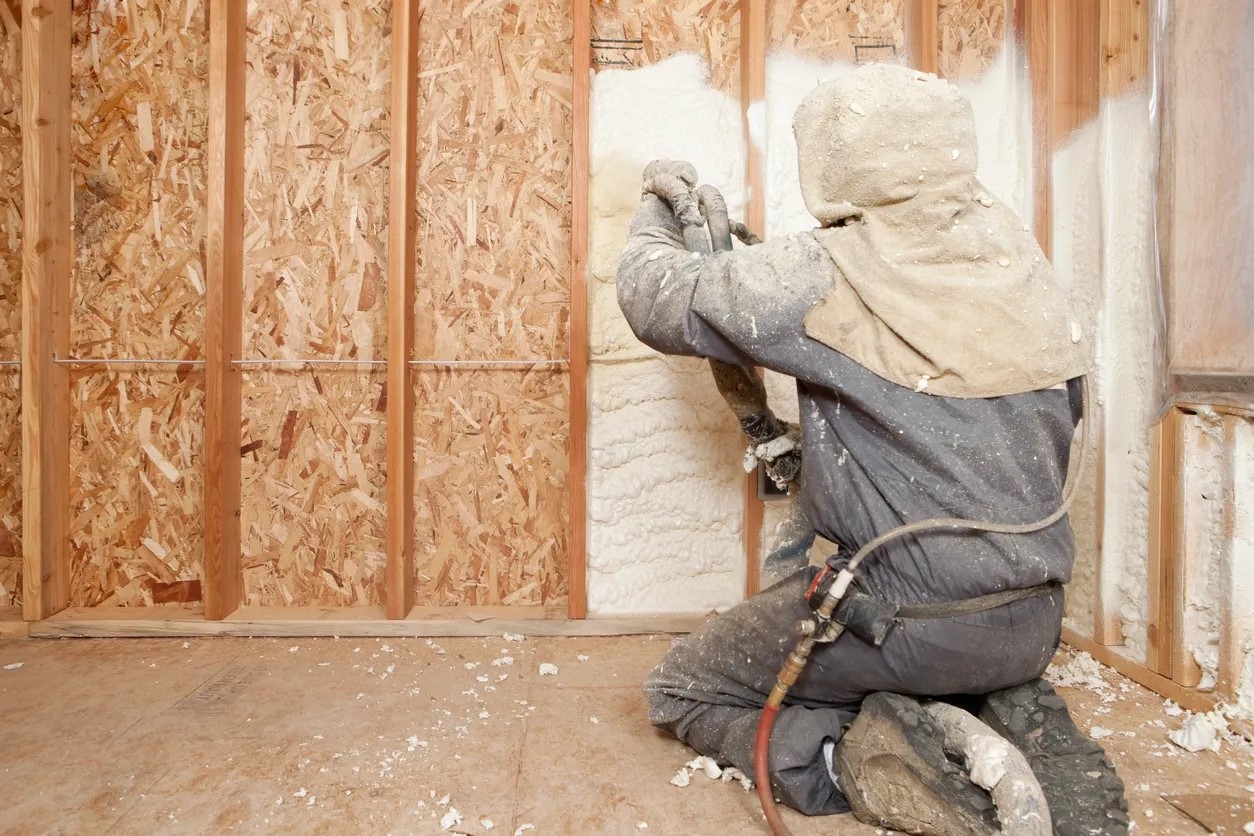
- Closed-Cell Spray Foam: Closed-cell spray foam insulation resists water absorption and, at sufficient thickness, can limit air and water vapor movement. It works well in crawl spaces, rim joists, and select rooflines, although it typically costs more upfront.
- Mineral Wool (Rock Wool): Mineral wool is inorganic and resists absorbing water, giving mold less to feed on within the material itself. It works well in walls and ceilings, although mold can still grow on damp dust or organic debris that collects on it.
- Fiberglass Insulation: Fiberglass is also inorganic, but dust, debris, and the paper facing on some batts can support mold when they stay damp. It works best in dry, moisture-controlled attics, walls, and ceilings.
- Cellulose Insulation: Cellulose is made from recycled paper fiber and commonly treated with compounds such as borates that can help resist mold growth. It can work well in dry attic floors and wall cavities, but prolonged moisture exposure is an important trade-off to consider when weighing the pros and cons of cellulose insulation.
How Proper Insulation Installation Helps Prevent Mold
Even the right insulation can run into trouble if humid air, ground moisture, or poor ventilation keeps the surrounding area damp.
How Air Sealing Helps Control Moisture
Gaps around wiring, plumbing, and other openings can carry humid air into attics and wall cavities. Air sealing closes those pathways before installing insulation. The U.S. Department of Energy also pairs air sealing with insulation when addressing gaps and other air leaks in the home.
Vapor Barriers and Moisture Control in Knoxville Homes
Vapor barriers and retarders limit how much water vapor can pass through parts of the home, while ground barriers can help keep soil moisture out of crawl spaces. Whether you need a vapor barrier depends on where the moisture is coming from and how that part of the home is built.
Ventilation and Moisture Management
Airflow helps carry moisture out in vented attics. A properly designed unvented attic handles moisture through the insulated roof assembly instead.
Warning Signs Your Insulation Already Has a Mold Problem
If something looks or smells off around your insulation, a few signs can point to a moisture problem:
- Black, green, gray, or other unusual discoloration on or around the insulation
- A persistent musty odor coming from an attic, crawl space, or wall
- Insulation that feels wet from leaks, condensation, or excess humidity
- Matted, compressed, or deteriorated insulation showing signs of water damage
How to Tell Mold from Dust or Debris on Insulation
It isn’t always easy to tell. Mold can have different colors and textures, and dark areas on fiberglass may simply be dirt collected as air moves through the material.
What to Do If You Find Moldy Insulation
Start by identifying and fixing the moisture source. If the insulation can’t be properly cleaned and dried, removing and replacing it gives you a clean starting point once the area is dry.
Common Insulation Mistakes That Can Increase Mold Risk
- Ignoring the Moisture Source: Fix roof leaks, plumbing issues, or a damp crawl space before adding new insulation so you aren’t covering up the real problem.
- Installing Over Existing Mold: Clear out mold-damaged material and fix the moisture source before covering the area with new insulation.
- Skipping Air Sealing: Even tiny gaps let humid air slip around the insulation and create opportunities for condensation.
- Using the Wrong Approach for the Space: What works in an attic may not fit a crawl space or wall, so match the insulation and moisture control to the area.
- Compressing or Leaving Gaps in Fiberglass: Squeezing fiberglass into place or leaving gaps keeps it from insulating effectively.
Before you add new insulation to your attic or walls, make sure you’re not covering a moisture problem. Koala Insulation of Greater Knoxville assesses the insulation and conditions in the space, then recommends where mold-resistant insulation, air sealing, or another moisture-control step makes sense.
FAQ Section
Can Mold Grow on Fiberglass Insulation?
Yes, but mold typically grows on the dust, debris, paper facing, or nearby materials rather than the glass fibers themselves. If those materials stay damp, mold may become a problem around fiberglass insulation.
Does Insulation Help With Humidity?
Insulation does not lower the humidity in your home, but it can help prevent condensation by keeping indoor surfaces from getting as cold. Air sealing limits where humid air enters, while ventilation helps move excess moisture out.
What Insulation Works Well in Moisture-Prone Crawl Spaces?
Closed-cell spray foam can work well in moisture-prone crawl spaces because it resists water absorption and, when properly installed, helps limit air movement. You still need to address the moisture source and crawl-space design so you aren’t relying on the insulation alone.
What Does Mold on Insulation Look Like?
Mold on insulation can appear as black, green, gray, or other discolored patches and may look fuzzy or powdery. Because dirt and staining can look similar, appearance alone is not always enough to tell whether you have mold.
Should Moldy Insulation Be Removed or Treated?
If moldy insulation can’t be properly cleaned and dried, remove it rather than covering it with new insulation. Before replacing it, fix the leak, humidity issue, or other moisture source to avoid recurring problems.
Find Your Location



Get a quote