
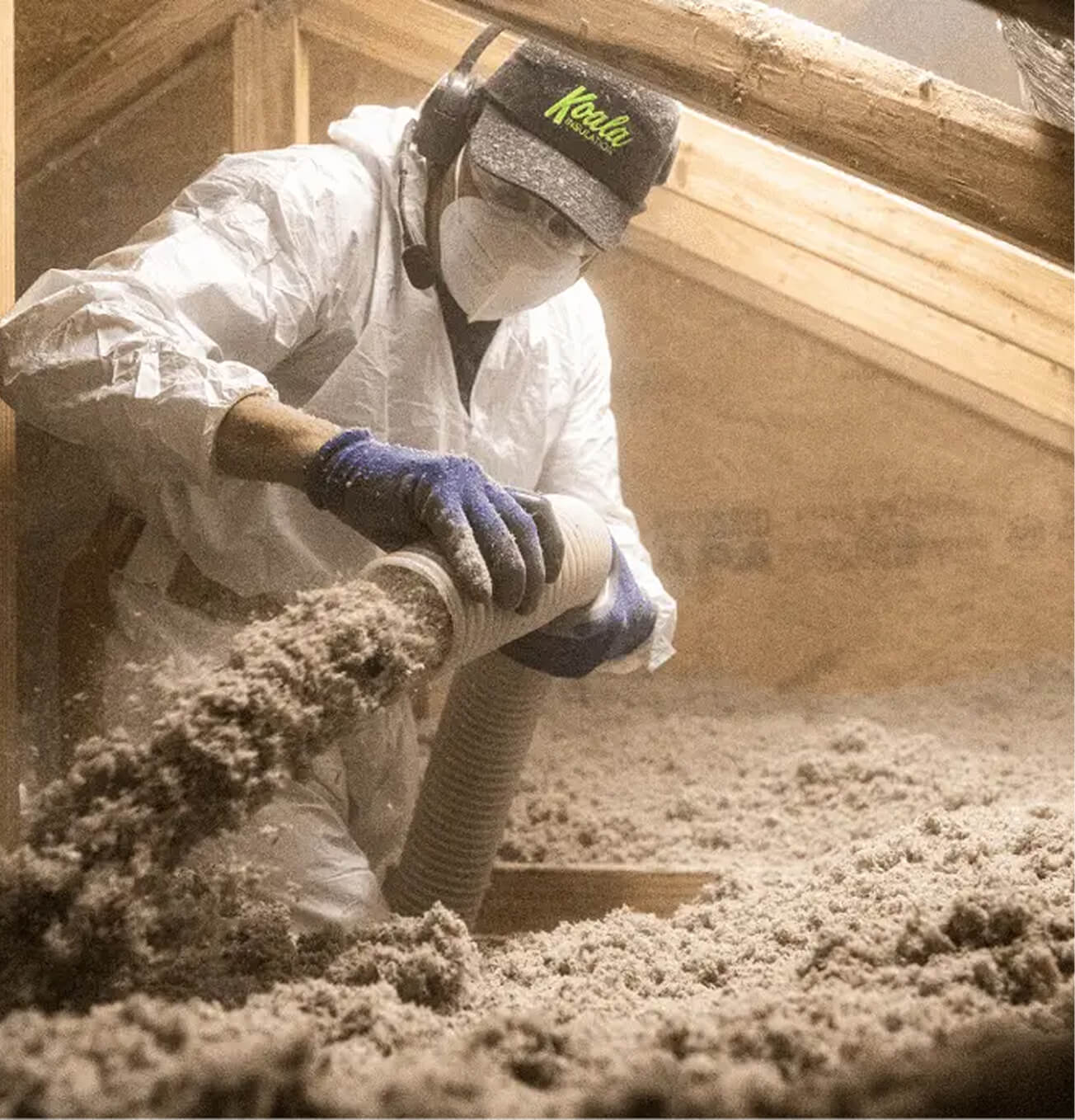

Slows Heat Transfer: A deep blown-in layer resists conduction through your ceilings and walls, so indoor temperatures in the DC area stay steadier through swampy summers.
Trusted Blown-In Insulation Services in Washington, DC
Let Our Insulation Experts Show You The Many Benefits Of Our High Performance Insulation.
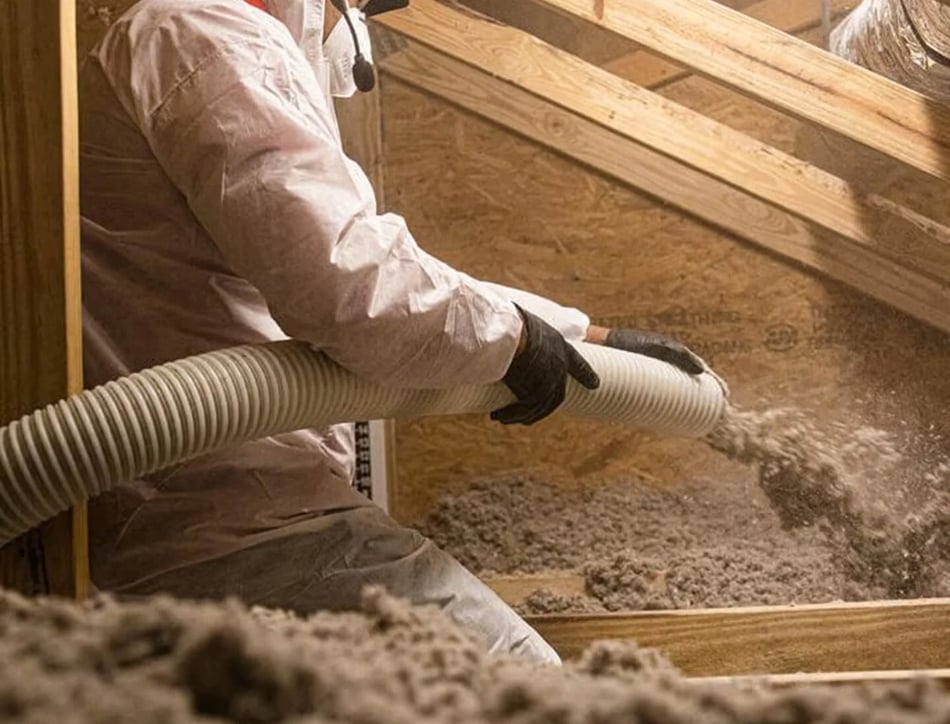
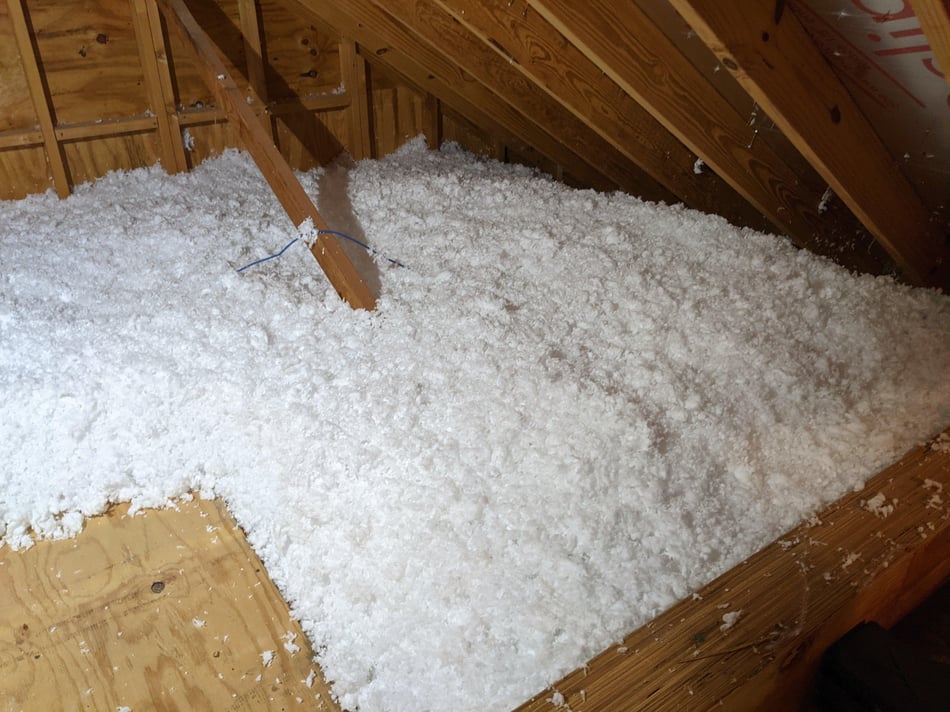
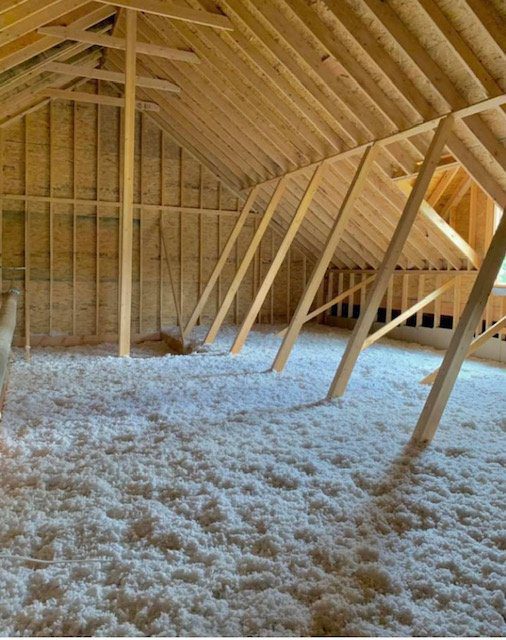
When it comes to boosting comfort in the DC area, blown-in insulation is hard to beat for speed and value. Our team “blows” loose-fill material into attics and enclosed cavities through a hose, forming a deep thermal blanket that conforms to every corner and framing gap.
If your insulation is thin, patchy, or decades old, Koala Insulation of Washington DC can bring it up to modern standards.
Get a Free Estimate


Trusted
Local Blown-In Insulation Experts in the DC Area

The DC area’s swampy summers and cold, damp winters can make your home feel uncomfortable and your HVAC system work overtime. And because insulation settles and standards have risen, many local homes have far less attic coverage than current guidelines recommend.
Blown-in insulation is ideal for:
Attic floors to quickly boost your R-value to modern standards.
Knee walls & sloped ceilings and other awkward, hard-to-reach spots.
Wall cavities, in select retrofits, following industry best practices.
A Superior
Whole-Home Thermal Upgrade
Blown-in insulation offers DC-area homeowners and businesses a powerful way to upgrade comfort and efficiency. Loose-fill products create a continuous thermal blanket over your attic floor or inside cavities, working like traditional insulation while delivering fast, even coverage over new or existing material.
These capabilities define the insulation type:
Reduces Air Infiltration: With Koala’s air sealing working alongside it, the insulation layer helps shut down the framing and wiring gaps that let outside air slip into homes in the DC area.
Stops Moisture: By improving overall attic R-value and supporting proper ventilation, blown-in insulation helps reduce the condensation and moisture movement that contribute to heat loss in homes in the DC area.
Advantages Of
Blown-In Insulation for Homes in the DC Area
There is a reason blown-in leads the list for attic upgrades in the DC area: it is quick to install, plays well with existing insulation, and helps deliver lower heating and cooling bills plus all-season comfort. More key advantages:

Improved Air Quality
An insulated, air-sealed attic is a cleaner attic. Closing the pathways around fixtures, wiring, and the attic hatch helps keep dusty, unconditioned air out of your DC-area home.

Water & Fire Resistance
Fire safety is built into how we work in the DC area. The blown-in materials we use are engineered with fire performance in mind, and our installers maintain the required clearances around recessed lights, flues, and chimneys per local codes and manufacturer guidelines.

Pest and Wildlife Protection
Worried about unwanted attic guests? Cellulose is the one blown-in material treated with pest-deterrent additives, and pairing it with thorough air sealing helps keep insects and critters out of attics in the DC area.

Soundproofing
A thick layer of loose-fill insulation helps absorb sound from outside, and even between levels of your home. If you have noisy neighbors, a busy road, or kids’ rooms over the main living space, blown-in insulation helps soften that noise and create a quieter indoor environment in the DC area.

Environmentally Friendly
Green credentials come standard: the blown-in materials we install are made from recycled content, and the efficiency they add does the rest. Studies have shown insulation can cut heating and cooling energy consumption by up to 40%, which means a smaller footprint for your DC-area home.
The DC area’s Stress-Free 4-Step
Blown-In Installation Process

Free Insulation Evaluation
The Koala Insulation efficiency experts will perform a thorough examination of the current efficiency of your DC-area home.
- Protect & Prep the SpacePreparation sets up everything that follows. We shield floors and walkways, establish safe access, and distribute depth markers across the attic to verify the target level later. If the eaves of your DC-area home need them, baffles go in to keep insulation clear of the soffit vents.
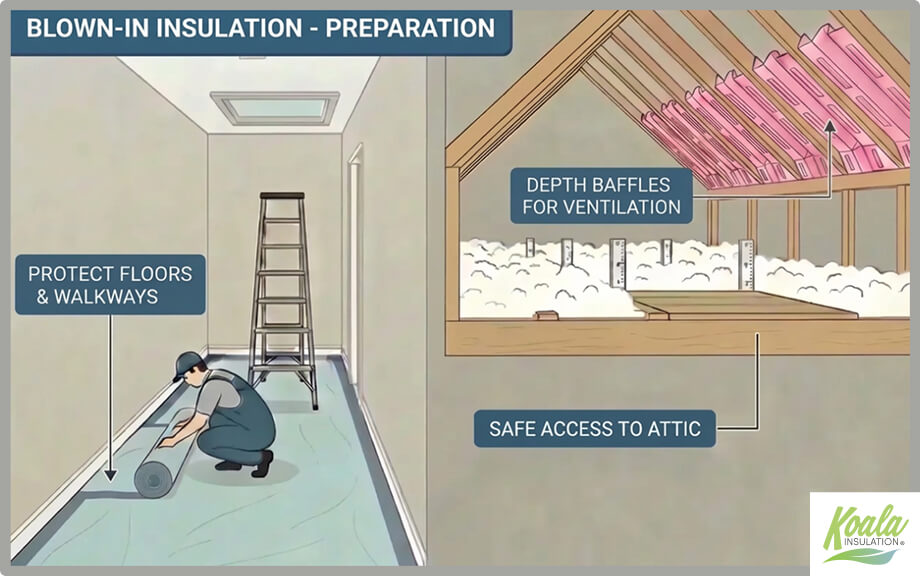
Koala Difference: Protecting your DC-area home up front means better insulation performance later, and no post-project cleanup left on your plate.
- Seal the Leaks FirstInsulation works best over a sealed attic, so before any material goes in, we close the leaks our thermography detection flags in your DC-area home: plumbing penetrations, wiring holes, recessed lights, and the attic access itself.
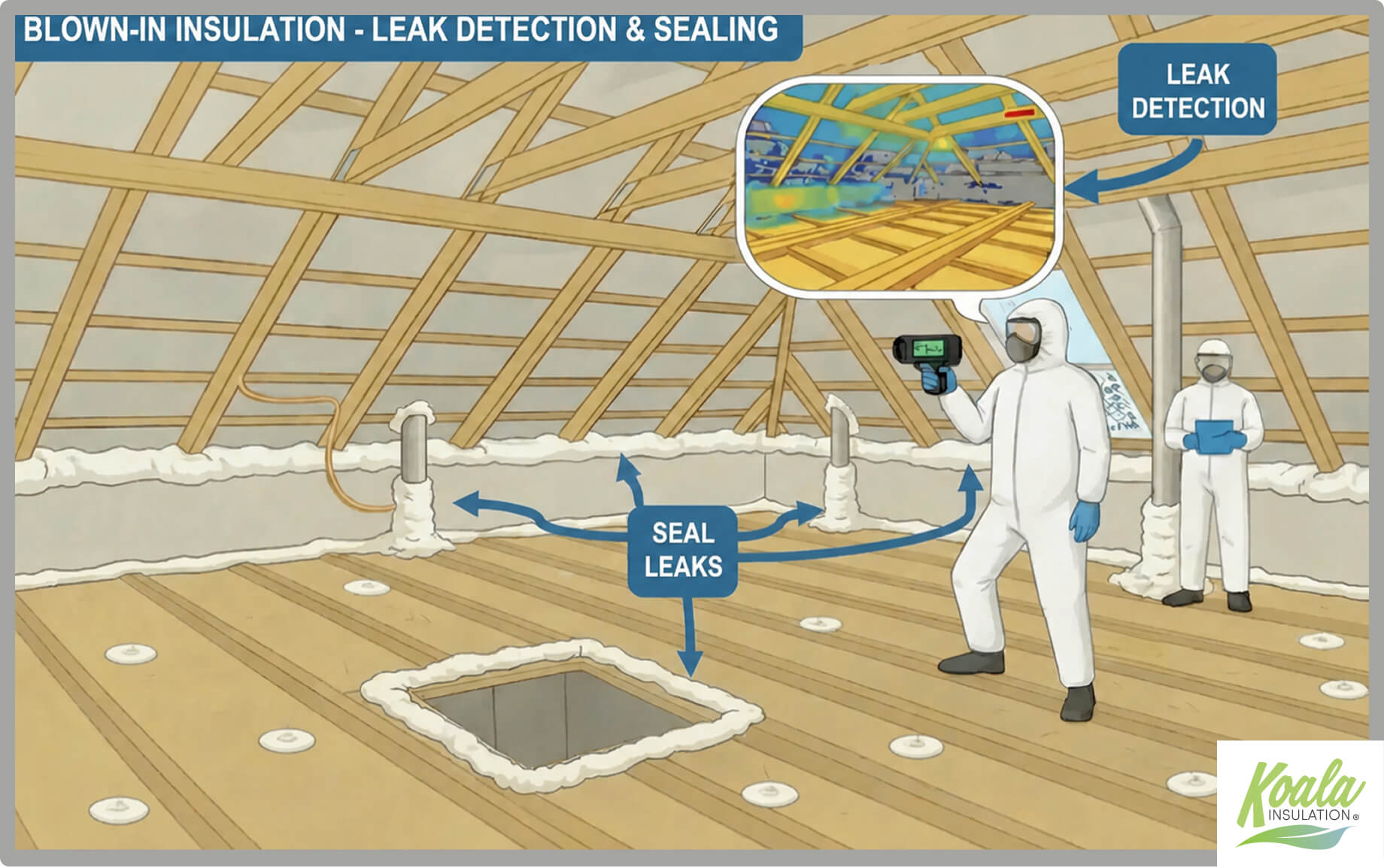
Koala Difference: Anyone can add material. Sealing first is how DC-area homeowners get full value from every inch of new insulation.
- Install to the Target DepthNow the insulation goes in. Our installers work methodically across the attic, blowing material to the specified depth and R-value, feathering it into corners and tight spots, and checking depth markers until coverage is uniform across your DC-area home.
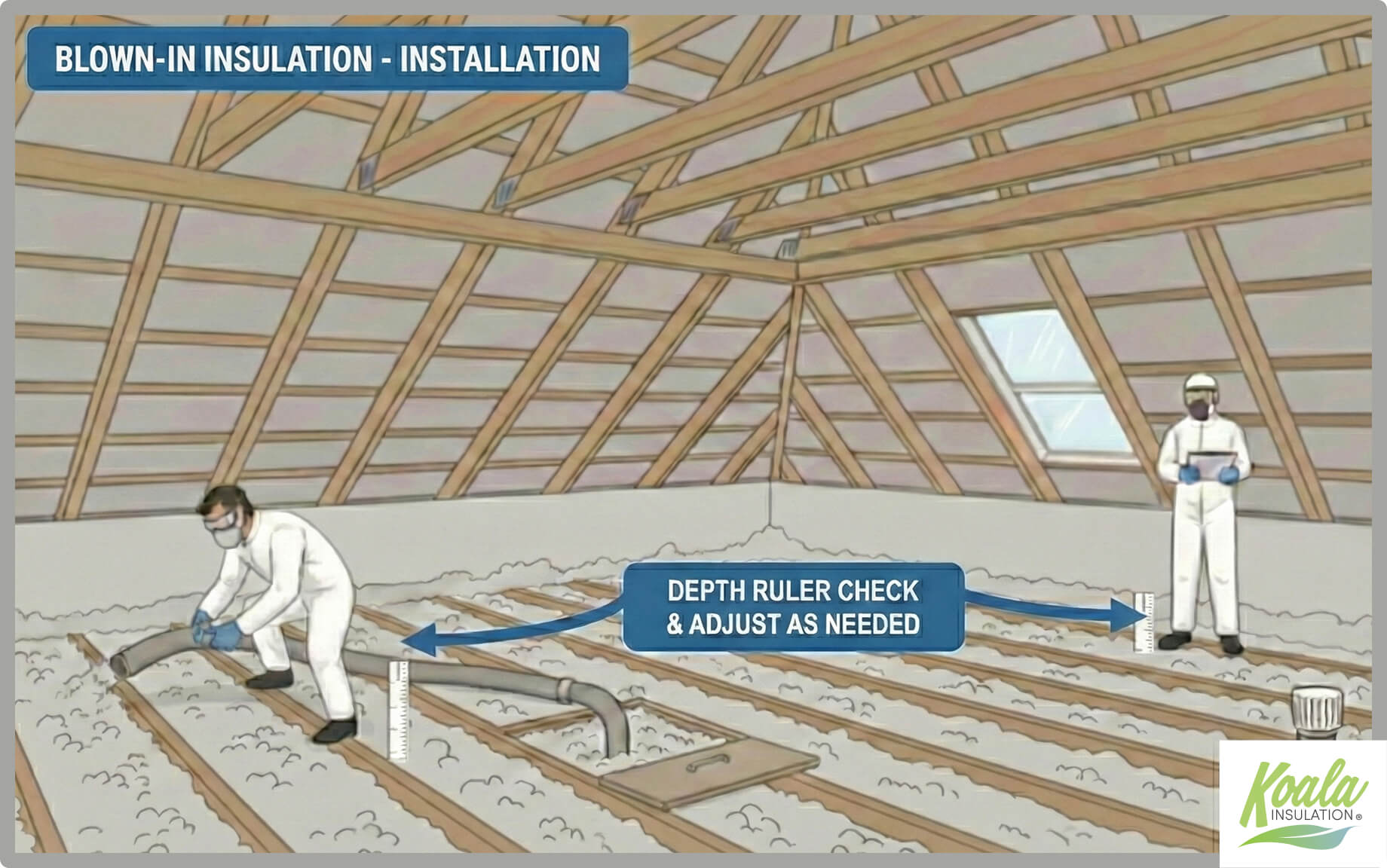
Koala Difference: We measure as we go because even small “thin spots” can undercut the comfort DC-area homeowners are paying for.
- Clean the Site & Review
Cleanup is part of the job, not an afterthought in the DC area. We vacuum and tidy the space, remove every piece of equipment, confirm the attic access seals properly, then review the results with you, photos included when available.
Koala Difference: Our job does not end when the blower shuts off. Koala Insulation of Washington DC is here for future questions, and to help you take advantage of any available rebates or tax credits.
Get a Quote
Ready to get your project started? Work with the most experienced blown-in insulation contractors in Washington, DC. Schedule a free quote with Koala Insulation of Washington DC today!
What to Expect
In 5 Easy Steps
In 5 Easy Steps
What to Expect
In 5 Easy Steps

Schedule Your Free Evaluation
Contact your nearest Koala Insulation Location, recognized as the #1 trusted insulation expert nationwide. We will discuss your needs and schedule an appointment to provide a free evaluation.

Home Efficiency Assessment & Estimate
One of our friendly insulation experts will perform a thorough home efficiency assessment. Your insulation expert will then review the assessment findings, the science behind these findings, and why any changes are needed. Lastly, your insulation expert will provide the best option that fits your home efficiency needs and your budget.

Schedule Your Insulation Service
We will schedule your insulation service for the soonest availability that fits your schedule because we understand that your home insulation is a priority!

Installation
Our team of highly skilled insulation technicians will install your premium insulation solution in as little as two hours. We treat your home like our own and take time to leave it cleaner than it was before.
Post Installation Inspection
Contact your nearest Koala Insulation Location, recognized as the #1 trusted insulation expert nationwide. We will discuss your needs and schedule an appointment to provide a free evaluation.

Enjoy Your Comfortable & Efficient Home
Enjoy a more efficient home with lower energy bills and improved comfort year-round. Enjoy your improved home stress free knowing that Koala Insulation stands behind their work! Reach out to your Koala Insulation team anytime for support.

Benefits

Enhanced Comfort

Energy Savings

Quality Materials

Eco-Friendly Options
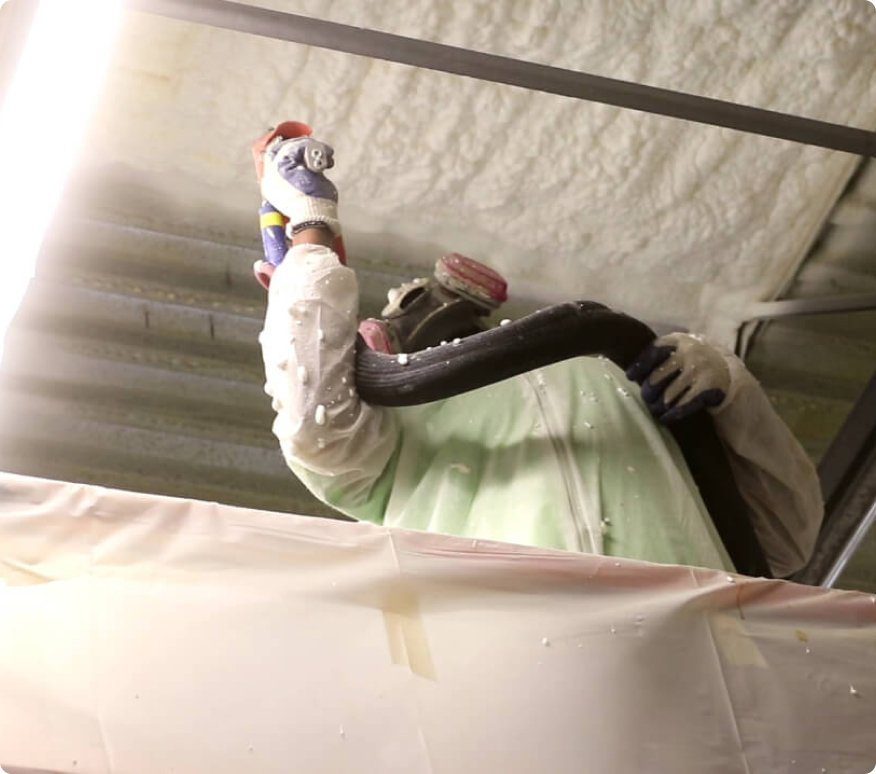
Enhanced Comfort
Stay cozy inside, no matter the weather outside.
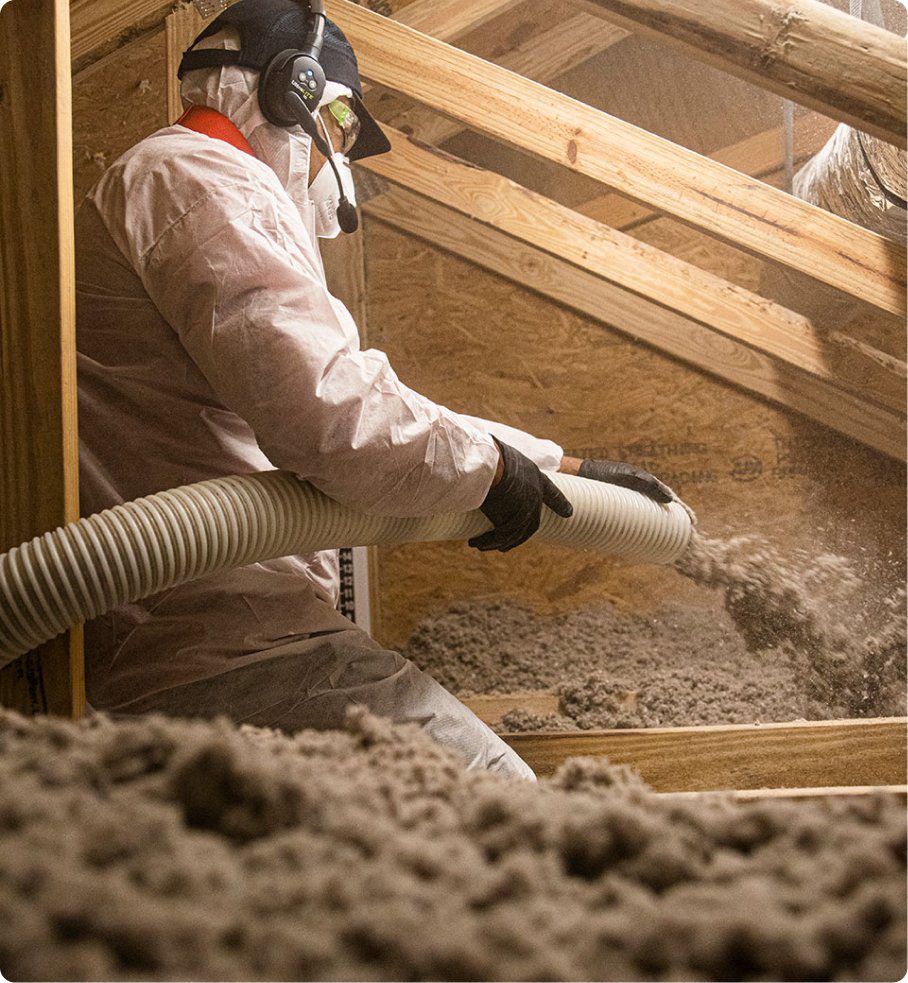
Energy Savings
Save on your energy bills while keeping your home comfy all year.
Reduced Noise
We use top-quality insulation to give you lasting results.
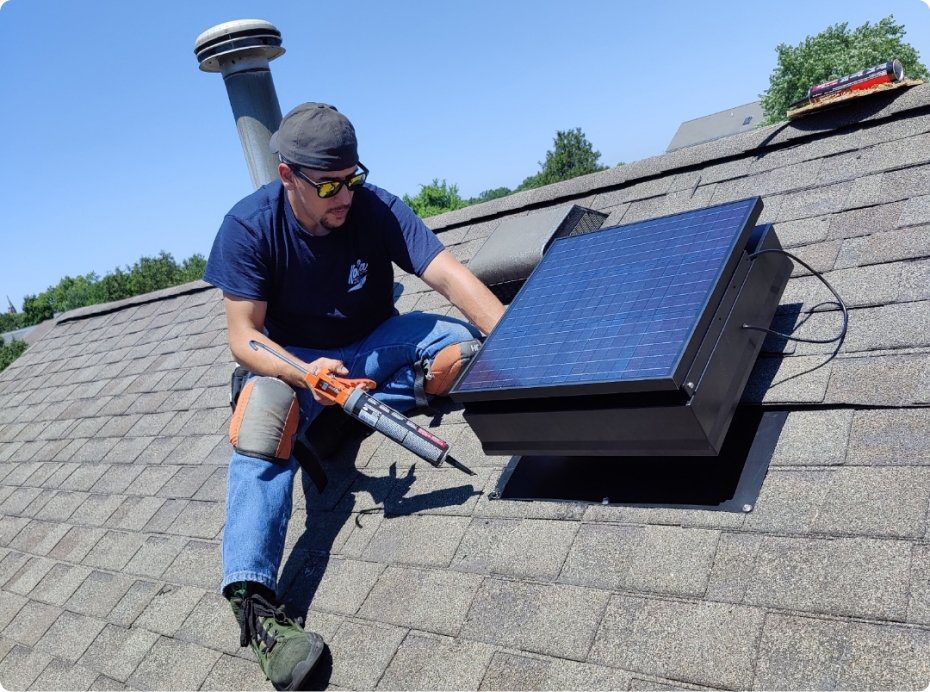
Eco Friendly
Choose insulation that’s better for your home and the planet, such as solar-powered attic fans.
Your Satisfaction is
Our Top Priority
The best proof is a happy customer. See what clients in the DC area have to say about working with our insulation pros.


Raymond Carver
15:10 10 Aug 26
This process was great from start to finish. They put down protection for my floors and even wrapped the hoses to protect the walls. It only took half a day and my house was instantly more comfortable and my electric bill is already down. Everyone I interacted with was professional and friendly.

Xavier Barraza
12:58 20 Jul 26
I was having problems with my upstairs floor being significantly hotter than the down stairs (+10 deg°) in my Capitol Hill row house. I hired Koala to air seal my attic (my home has lots of recess lighting and those leak air) and they added 20inches of insulation. They had to cut a few holes in my ceiling to reach the master and rear bedroom but sealed those up very well and thoroughly cleaned the house after the installation and patching up the walls. The guys were great, worked hard non-stop and got it done in about 4 hours. I definitely recommend them. It's only been a day and I can already see from the upstairs thermostat a 6deg difference.

Susan Bayles
17:18 13 Jul 26
Transparent: I knew just what to expect at every step. Responsive: available for any and all questions and inquiries. Competitive pricing. Very professional: interacted with several employees and the owner and everyone was helpful and kind. Would recommend!

Daniel Griffin
15:37 21 Jun 26
Wonderful experience with Koala! They came for a free inspection and estimate, where they were extremely knowledgeable on the issue, came up with a solution right away, and we’re able to schedule me the next day. Our issues are now gone, and even faster than expected because of the fantastic service!

Elias “Peter” Selimos
19:42 07 Apr 26
Frank and his team did a tremendous job. They were quick, efficient, and professional, fully insulating my exterior walls and did a spotless cleanup afterwards. They showed up on time, did exactly as promised, and offered a fair price with flexible payment options. Would totally recommend.
Why
Choose Koala?
A proven process: The same prep, seal, install, and verify workflow at every location across the U.S. & Canada, including here in the DC area.
Professional-grade equipment: Purpose-built blowing machines and depth verification on every attic, every time.
Respect for your home: Floor protection, sealed attic access, careful clearances around heat sources, and a clean site at handoff.
Savings beyond the install: Help navigating rebates and tax credits, plus straight answers on payback and energy savings.

Get a Quote
Ready to get your project started? Work with the most experienced blown-in insulation contractors in Washington, DC. Schedule a free quote with Koala Insulation of Washington DC today!
Frequently Asked Questions
Blown-In Insulation FAQs
Get all your questions answered by our local experts. If we didn’t address your question here, give us a call at 202-987-6922 or schedule a free quote today!
What Does Blown-In Insulation Cost in the DC Area?
How much blown-in insulation costs is one of the first questions we hear, and the honest answer is that it depends on your home.
Square footage sets the baseline, the type of insulation (such as cellulose or fiberglass) shapes material costs, and the effort required to install it, things like attic access, prep, and air sealing, rounds out the scope.
And because a well-covered attic cuts heat loss, the project starts working to lower your energy bills from day one.
It is also worth knowing that many state and local governments, along with utility companies, offer rebates that can help defray part of the cost. The only precise number is one measured on site. Schedule a free assessment and we will price your exact attic in the DC area, not an average.
Blown-In Insulation vs. Rolls: Which Is Better?
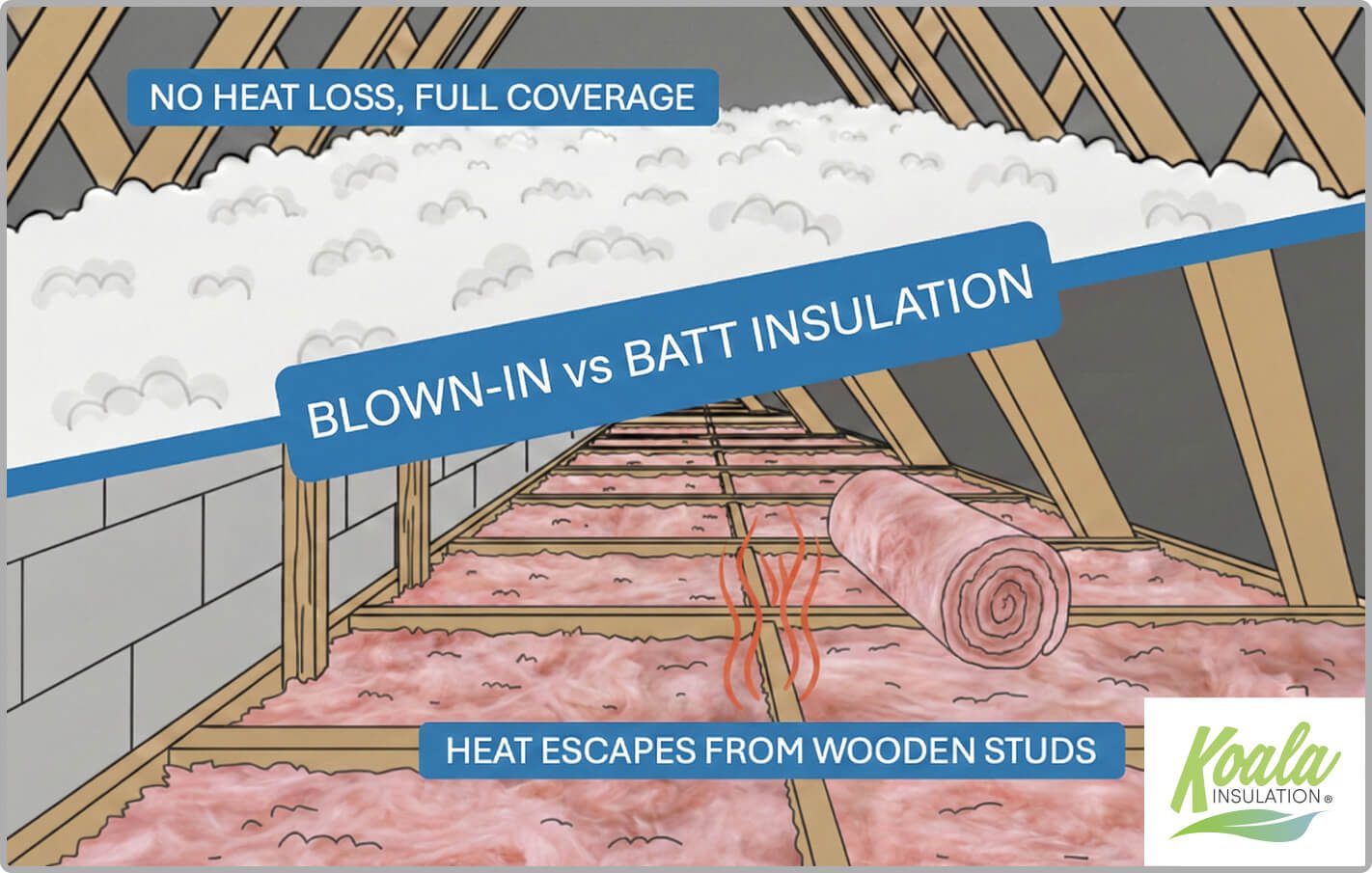
Generally, blown-in outperforms rolls in attic applications. Batts must be cut and fitted, which leaves gaps at joists, wiring, pipes, and odd angles; loose-fill simply fills those spaces. The result for your DC-area home is a more consistent layer, fewer drafts, and performance closer to the rated R-value.
How Much Blown-In Insulation Does My Attic Need?
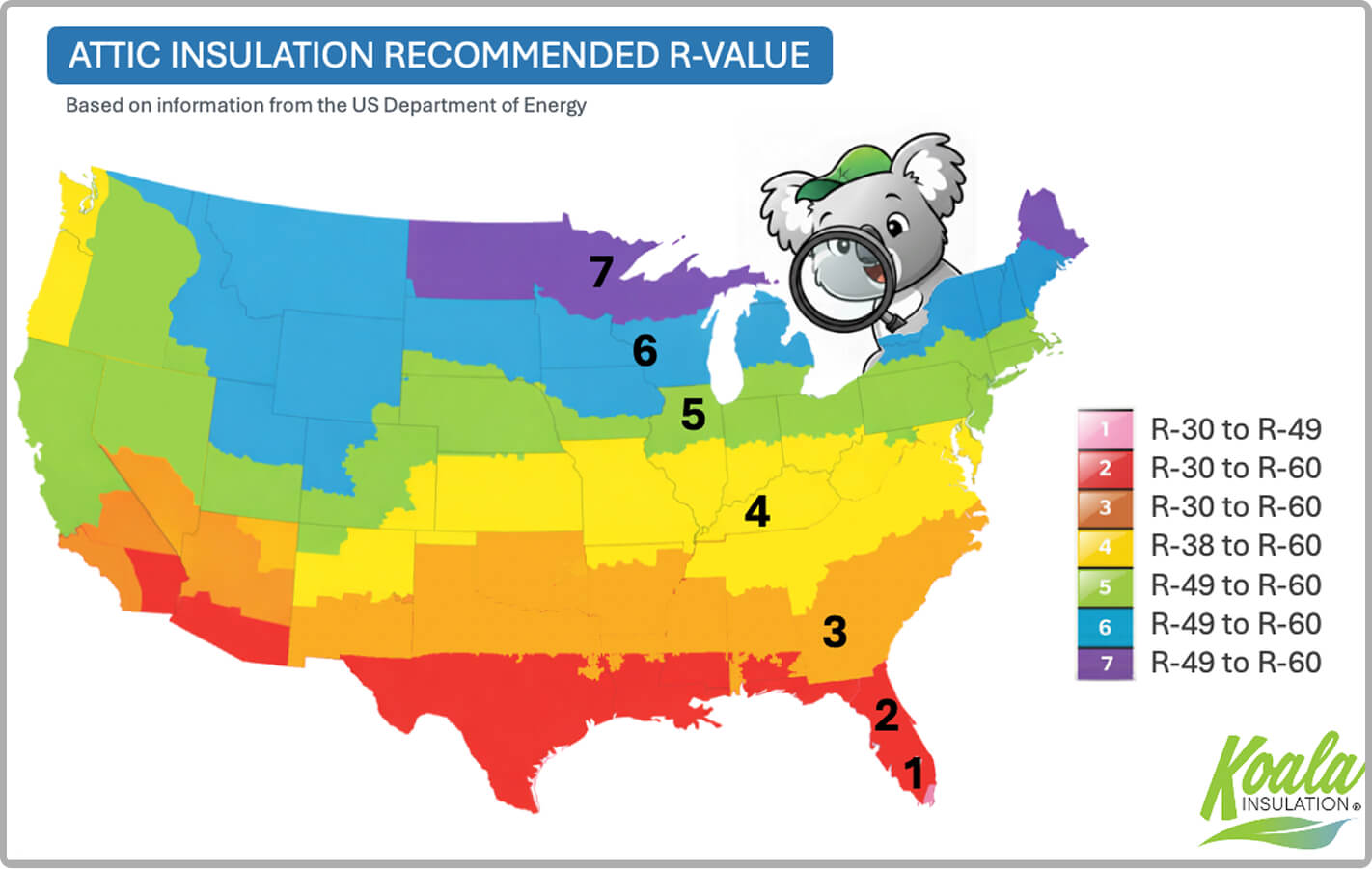
How much blown-in insulation you need depends on the size of the space, the insulation depth required, and your geographic location (see the map below). Climate plays a major role in determining the recommended R-value for an attic, with colder regions requiring thicker insulation to reduce heat loss and warmer regions needing enough insulation to block heat gain. The square footage of the attic and the target R-value together determine how much material is required to achieve consistent coverage. The Washington, DC area falls in IECC Climate Zone 4A (mixed-humid), where DOE and ENERGY STAR guidance calls for attic insulation of roughly R-38 to R-60.
Rather than estimating, professional installers work from climate-zone guidelines, your existing insulation depth, and manufacturer coverage charts. That approach matches depth to the recommended R-value for the region, builds in allowance for settling, and prevents the coverage gaps that undercut performance. The diagram below shows how recommended attic insulation levels change by geographic region, helping homeowners understand why insulation needs differ from one location to another.
Insulation Education
Learn why insulation is critical to your home’s energy efficiency and your family’s comfort.
Learn More
Get a quote
Ready to start your insulation project? Get a free quote from your local Koala Insulation team today.