
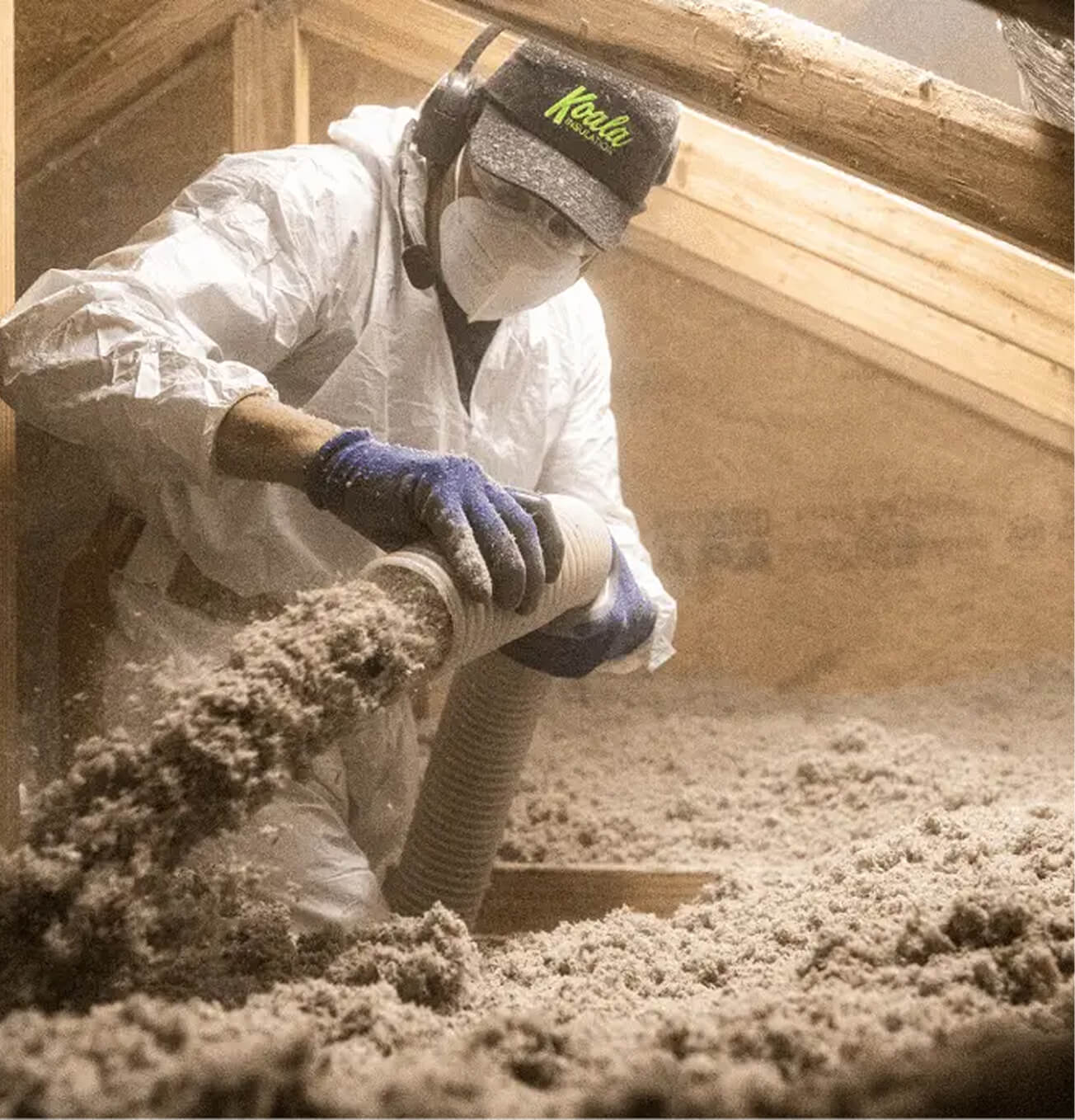

Resists Conduction: The added depth acts like a winter coat for your St. Louis home, slowing conductive heat flow through the ceiling so comfort holds even when infamous summer humidity arrives.
Expert Blown-In Insulation Services in St. Louis, MO
Let Our Insulation Experts Show You The Many Benefits Of Our High Performance Insulation.
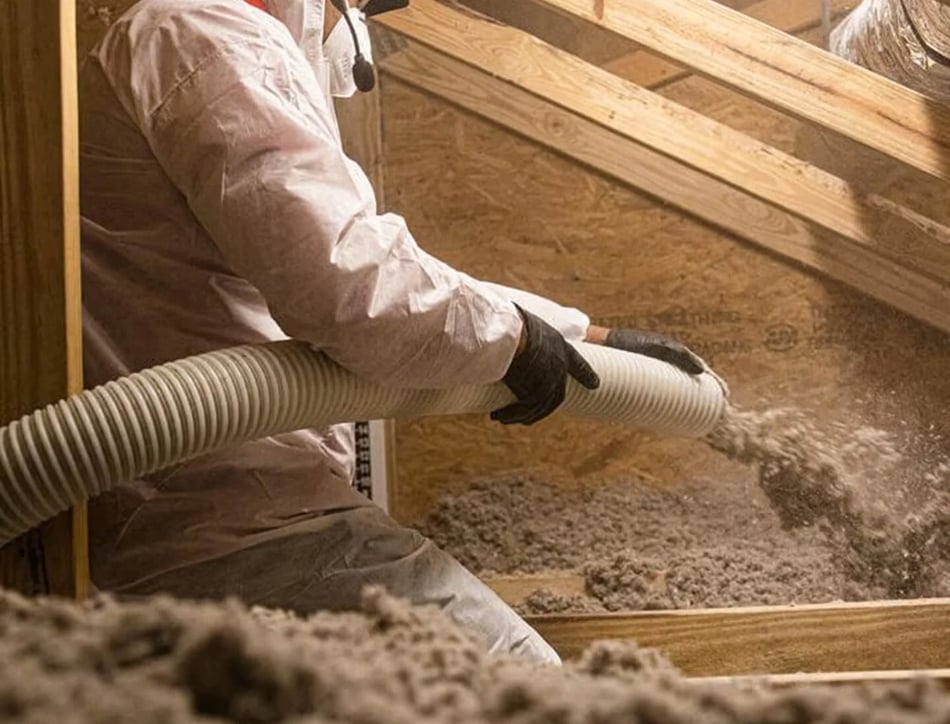
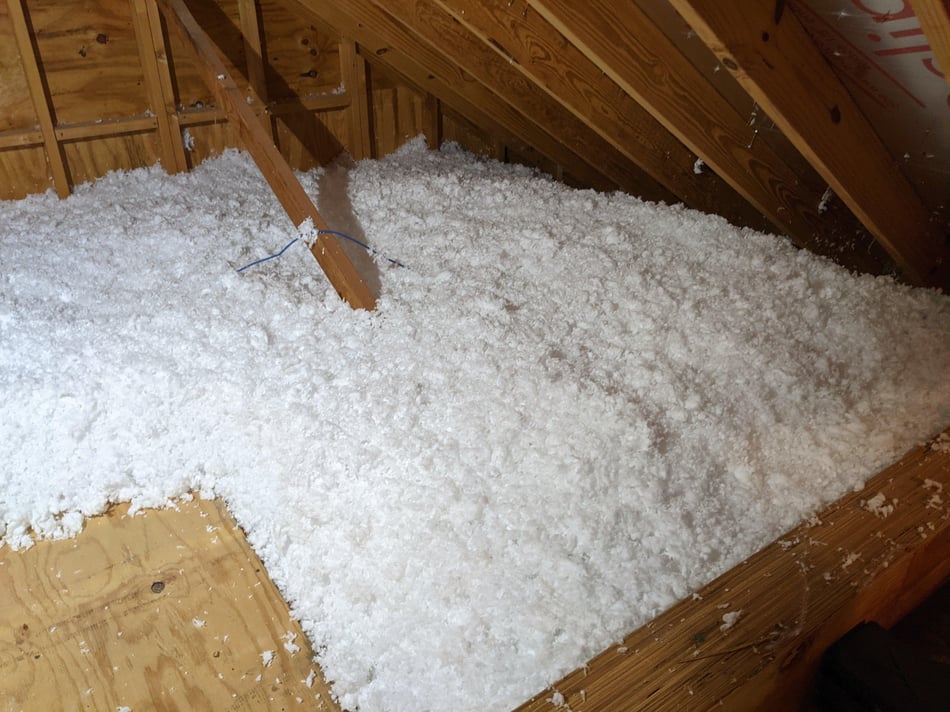
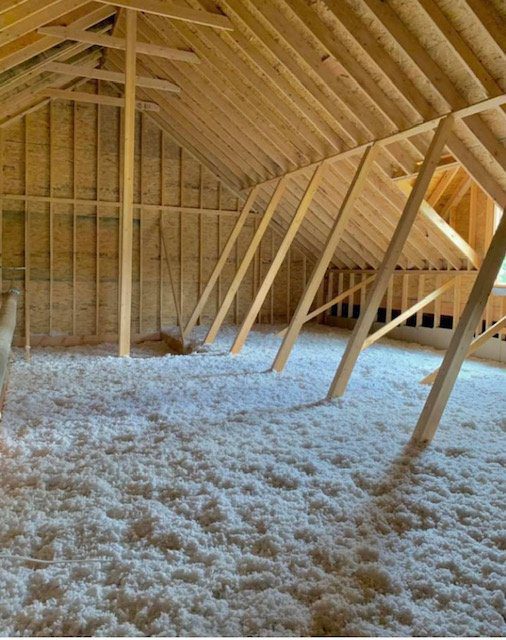
Blown-in insulation delivers a lot of comfort for the money. Rather than cutting and fitting rigid batts, our team blows loose-fill insulation through a hose, letting it flow around joists, wiring, and pipes until your attic is wrapped in one continuous thermal layer.
Whether your goal is lower energy bills, steadier temperatures, or a quieter home, Koala Insulation of St. Louis makes the upgrade easy.
Get a Free Estimate


Trusted
Your Blown-In Insulation Team in St. Louis

St. Louis’ infamous summer humidity and cold, damp winters can make your home feel uncomfortable and your HVAC system work overtime. Even so, many attics in the area are underinsulated, with only a few inches of coverage where modern guidelines call for far more.
Best uses for blown-in insulation:
Attic floors to quickly boost your R-value to modern standards.
Knee walls & sloped ceilings where batts are tough to fit.
Wall cavities in some retrofit situations, following industry best practices.
A Superior
The Thermal Blanket Effect
Think of blown-in insulation as a thermal blanket for your St. Louis home. Loose-fill material flows over the attic floor or into cavities and settles into complete, even coverage, layering neatly over existing insulation while standing up to infamous summer humidity and cold, damp winters.
These capabilities define the insulation type:
Fights Drafts: Combined with strategic air sealing, blown-in insulation limits infiltration around penetrations and top plates, keeping the air you have paid to heat or cool inside your St. Louis home.
Helps Control Moisture: By raising attic R-value while keeping soffit airflow open, blown-in insulation helps curb the condensation cycles that sap efficiency in St. Louis.
Advantages Of
Blown-In Insulation in St. Louis
Blown-in insulation earns its popularity in St. Louis: rapid installation, easy layering over existing insulation, reduced heating and cooling costs, and more consistent comfort across the seasons. The advantages do not stop there:

Improved Air Quality
When combined with attic air sealing, blown-in insulation helps cut down the amount of dust and outdoor pollutants that can sneak in through gaps around light fixtures, plumbing penetrations, and attic access points in homes in St. Louis.

Water & Fire Resistance
Our blown-in materials are engineered with fire safety in mind, and installation matters just as much: we keep proper clearances at recessed lights, chimneys, and other heat sources, following local codes and manufacturer specifications on every job in St. Louis.

Pest and Wildlife Protection
Worried about unwanted attic guests? Cellulose is the one blown-in material treated with pest-deterrent additives, and pairing it with thorough air sealing helps keep insects and critters out of attics in St. Louis.

Soundproofing
A thick layer of loose-fill insulation helps absorb sound from outside, and even between levels of your home. If you have noisy neighbors, a busy road, or kids’ rooms over the main living space, blown-in insulation helps soften that noise and create a quieter indoor environment in St. Louis.

Environmentally Friendly
Efficiency and sustainability go hand in hand here. Blown-in insulation is produced from recycled materials, and because studies show insulation can reduce heating and cooling energy use by as much as 40%, every winter and summer in St. Louis costs the planet (and you) a little less.
St. Louis’ Easy 4-Step
Blown-In Insulation Process

Free Attic Assessment
Before any work is quoted in St. Louis, our efficiency experts complete a detailed assessment of your home’s current insulation and energy performance.
- Prep for Safe InstallationFirst we prepare your St. Louis home properly: floor and walkway protection goes down, safe attic access goes up, and depth rulers are positioned across the attic so final coverage can be measured everywhere. Eave baffles are installed as needed to protect soffit airflow.
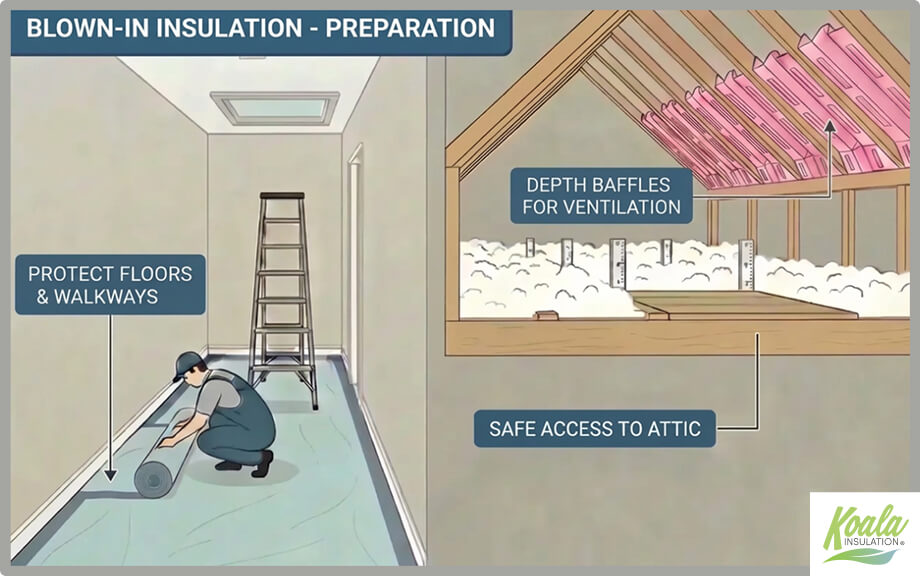
Koala Difference: Protecting your St. Louis home up front means better insulation performance later, and no post-project cleanup left on your plate.
- Seal the Leaks FirstWith prep done, sealing begins. Our team uses thermography to spot the leakage paths (plumbing penetrations, wiring runs, can lights, attic openings) and seals them before a single bag of insulation is blown into your St. Louis home.
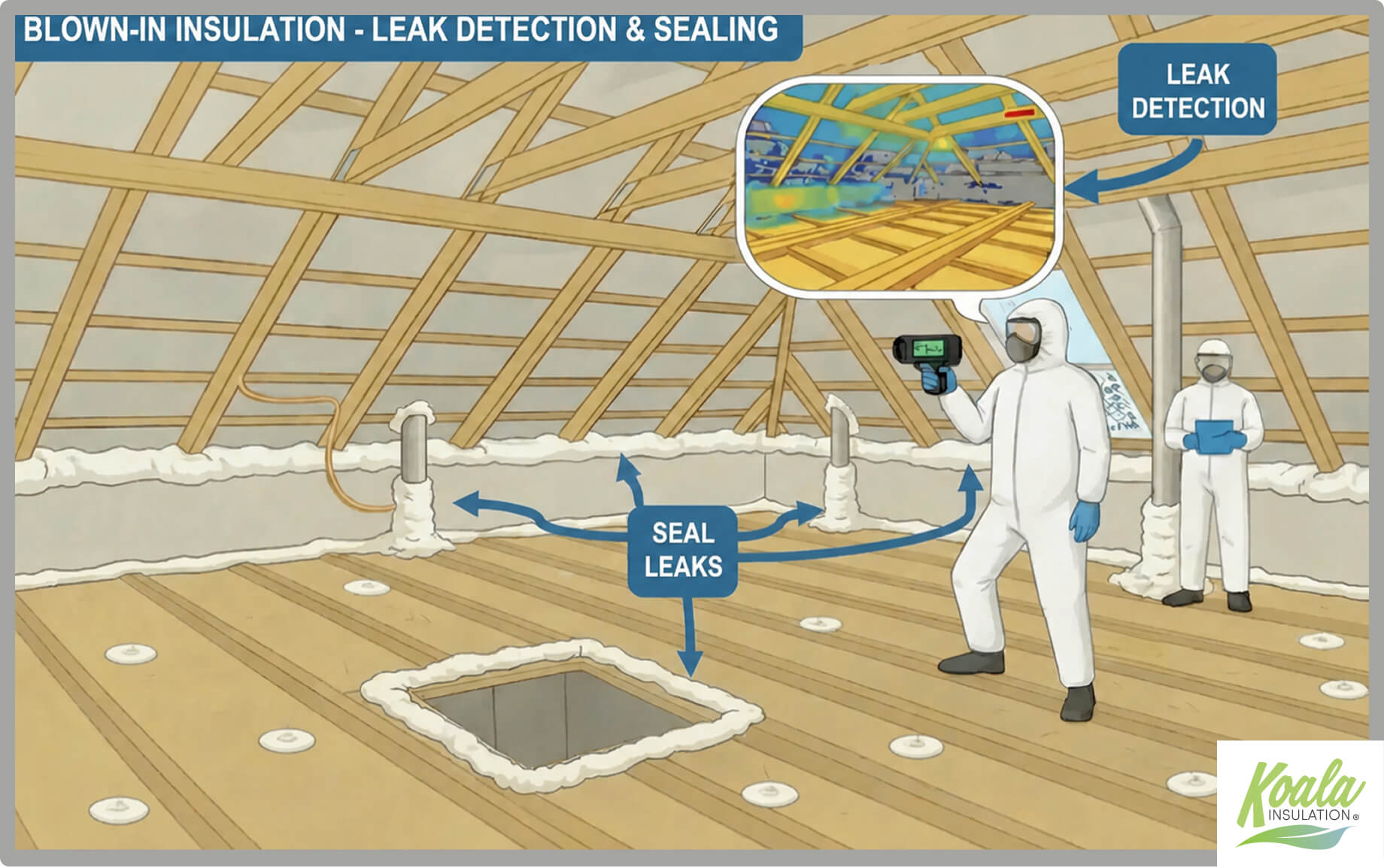
Koala Difference: The difference is durability: air sealing plus insulation delivers comfort in St. Louis that a fluff-only job simply cannot match.
- Install to the Target DepthOur crew blows insulation evenly across the attic floor, building to the specified R-value while working material into corners and around obstructions. Depth markers are checked continuously so the finished blanket is consistent from eave to eave in St. Louis.
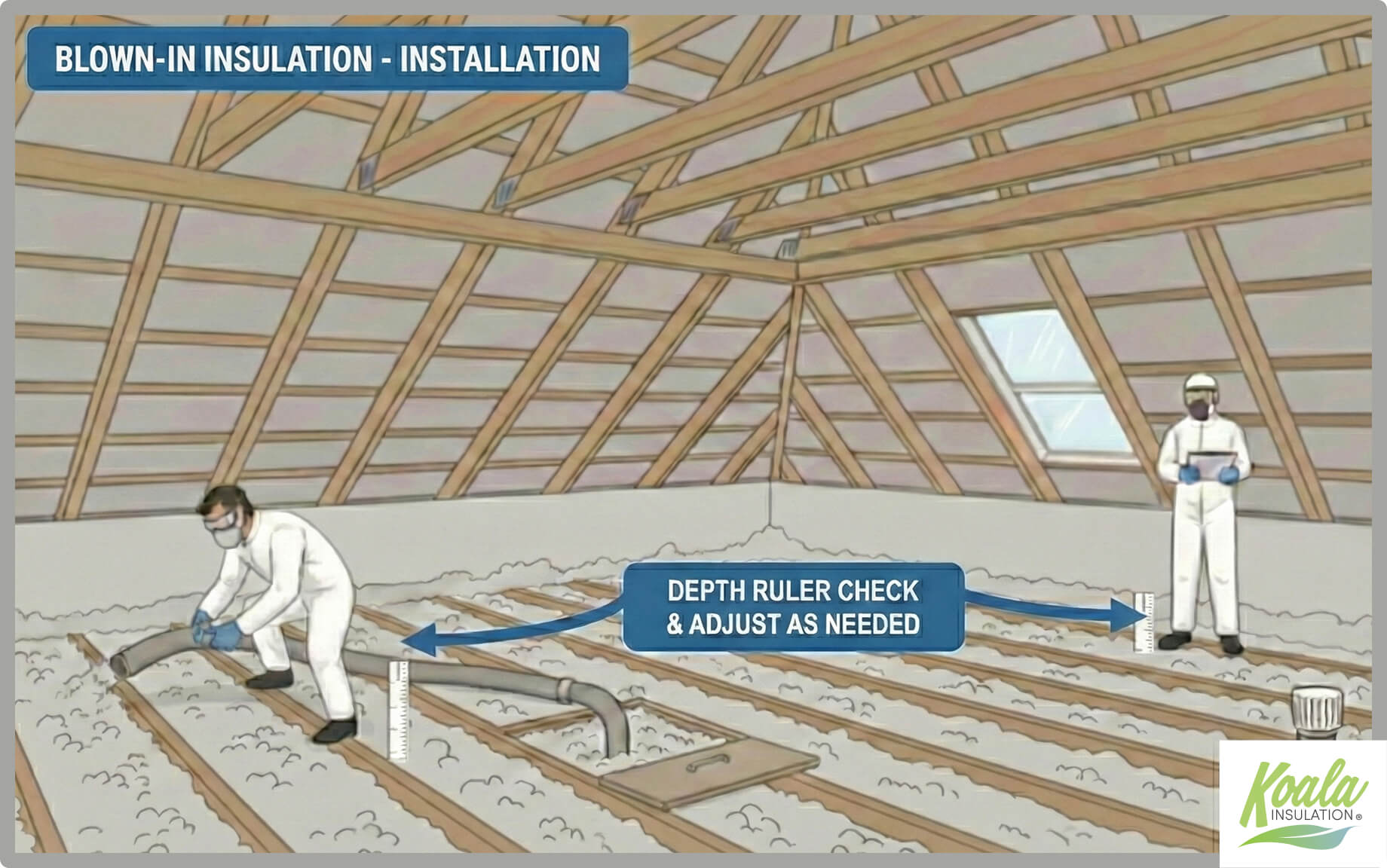
Koala Difference: A blanket is only as good as its thinnest point. Verified, consistent depth is our standard on every attic in St. Louis.
- Clean the Site & Review
Once the target depth is confirmed, we vacuum the work area, pack out all equipment, and verify the attic access is sealed tight. Then we walk you through the project at your St. Louis home, share before-and-after photos when available, and answer any questions about your new insulation.
Koala Difference: Even after the trucks leave St. Louis, we are a phone call away for questions and for help claiming any rebates or tax credits your project qualifies for.
Get a Quote
Your comfort upgrade starts with one visit. Schedule your free assessment with Koala Insulation of St. Louis, the blown-in insulation team St. Louis homeowners trust!
What to Expect
In 5 Easy Steps
In 5 Easy Steps
What to Expect
In 5 Easy Steps

Schedule Your Free Evaluation
Contact your nearest Koala Insulation Location, recognized as the #1 trusted insulation expert nationwide. We will discuss your needs and schedule an appointment to provide a free evaluation.

Home Efficiency Assessment & Estimate
One of our friendly insulation experts will perform a thorough home efficiency assessment. Your insulation expert will then review the assessment findings, the science behind these findings, and why any changes are needed. Lastly, your insulation expert will provide the best option that fits your home efficiency needs and your budget.

Schedule Your Insulation Service
We will schedule your insulation service for the soonest availability that fits your schedule because we understand that your home insulation is a priority!

Installation
Our team of highly skilled insulation technicians will install your premium insulation solution in as little as two hours. We treat your home like our own and take time to leave it cleaner than it was before.
Post Installation Inspection
Contact your nearest Koala Insulation Location, recognized as the #1 trusted insulation expert nationwide. We will discuss your needs and schedule an appointment to provide a free evaluation.

Enjoy Your Comfortable & Efficient Home
Enjoy a more efficient home with lower energy bills and improved comfort year-round. Enjoy your improved home stress free knowing that Koala Insulation stands behind their work! Reach out to your Koala Insulation team anytime for support.

Benefits

Enhanced Comfort

Energy Savings

Quality Materials

Eco-Friendly Options
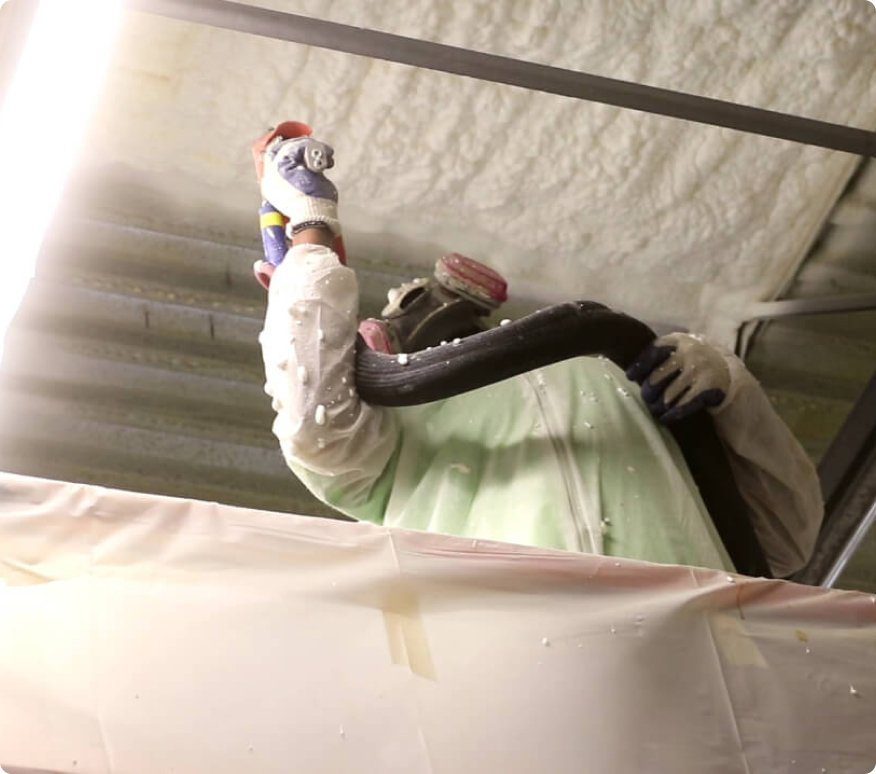
Enhanced Comfort
Stay cozy inside, no matter the weather outside.
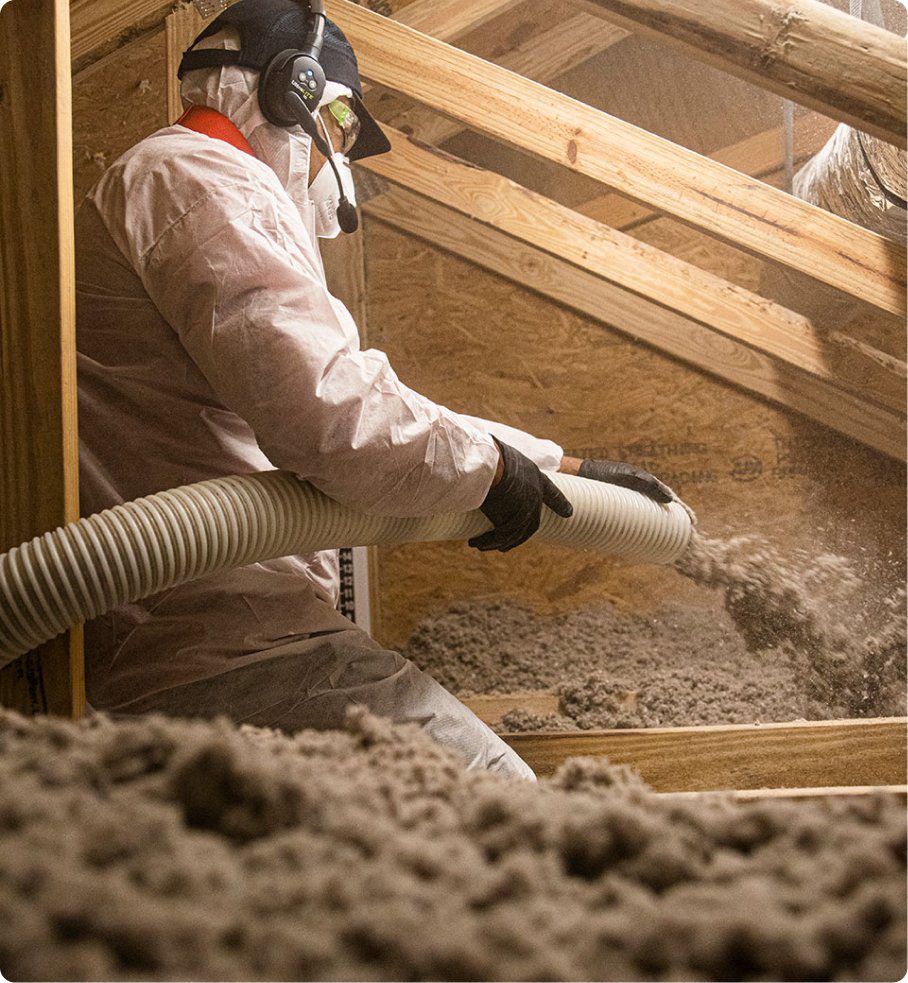
Energy Savings
Save on your energy bills while keeping your home comfy all year.
Reduced Noise
We use top-quality insulation to give you lasting results.
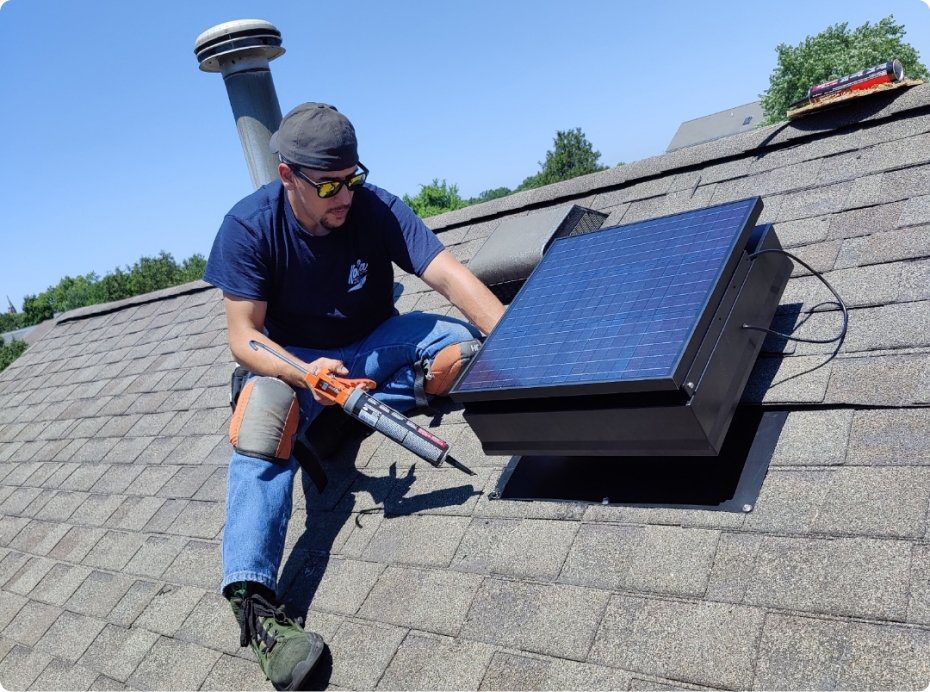
Eco Friendly
Choose insulation that’s better for your home and the planet, such as solar-powered attic fans.
Your Satisfaction is
Our Top Priority
And do not just take our word for it. Hear from our happy clients about their experience with our professional insulation services in St. Louis.


Preston Seymour
20:32 04 Sep 26
Nothing but great things to say! We were struggling with a very HOT 2nd floor in our home due to poor attic ventilation and old insulation that had settled over the last 20yrs. Nick, Nathan, Ryan, John and Claire were outstanding. Nick showed up on time for the assesment, was extremely knowledgable, provided tons of value/knowledge right out of the gate and never tried to 'sell' me once. We scheduled a date to have Ryan, John and Nathan come out and they followed suit. Courteous, professional and very clean from start to finish. We can ALREADY notice a 7+ temp degree drop upstairs from adding R-49 blow in to our original insulation, solar fan, soffit ventilation and radiant reflective barrier. 11/10 Highly Recommend!!

michael graves
15:31 04 Sep 26
Koala Insulation did a wonderful job.
They are very professional, sent emails letting me know arrival time and showed up on time.
Took before and after pictures and went over the pictures with me.
Keep area they were working in clean.
They made sure I was satisfied after completion of job.
Made sure to answer any questions I had.
I would highly recommend this company.
They are very professional, sent emails letting me know arrival time and showed up on time.
Took before and after pictures and went over the pictures with me.
Keep area they were working in clean.
They made sure I was satisfied after completion of job.
Made sure to answer any questions I had.
I would highly recommend this company.

Adventures With Moxie
14:20 27 Aug 26
Koala Insulation was absolutely excellent to work with from start to finish. From the initial contact through completion of the project, their customer service and workers were personable, professional, and incredibly easy to work with.
I had a project that every other company I contacted told me was impossible and simply refused to take on. Koala Insulation was different. They not only said they could do it—they actually did it, and they did it with excellent quality and impressive promptness.
I couldn’t be happier with the results or with the entire experience. It’s refreshing to find a company that listens to the customer, takes on challenging projects, and delivers exactly what they promise. I highly recommend Koala Insulation!
I had a project that every other company I contacted told me was impossible and simply refused to take on. Koala Insulation was different. They not only said they could do it—they actually did it, and they did it with excellent quality and impressive promptness.
I couldn’t be happier with the results or with the entire experience. It’s refreshing to find a company that listens to the customer, takes on challenging projects, and delivers exactly what they promise. I highly recommend Koala Insulation!

John
22:56 19 May 26
Nate and team were fantastic. They spray foamed the attic and shared their expertise on portions of the project that I plan to do on my own. They were in and out and protected everything while they sprayed.

Bethany Hayes
16:29 03 Apr 26
Koala provided outstanding customer service from the estimate to installation. Nick was very knowledgeable about what my attic required to be more efficient and Ryan and John showed up on time, didn’t complain about my sketchy attic, finished quickly and cleaned everything up. Very professional company that I highly recommend. Now I just need to plan how to spend all the extra money from my heating bill!
Why
Choose Koala?
Consistent from coast to coast: A U.S. & Canada network with one standard of workmanship, delivered locally in St. Louis.
Assessment before estimate: Every quote follows a free efficiency evaluation of your St. Louis home.
Sealed, then insulated: Thermography-guided air sealing comes standard in how we scope attic projects.
Post-project support: Rebate and tax credit guidance plus a team that answers the phone after the job is done.

Get a Quote
Your comfort upgrade starts with one visit. Schedule your free assessment with Koala Insulation of St. Louis, the blown-in insulation team St. Louis homeowners trust!
Frequently Asked Questions
Blown-In Insulation FAQs
Get all your questions answered by our local experts. If we didn’t address your question here, give us a call at (314) 279-5064 or schedule a free quote today!
How Much Does Blown-In Insulation Cost in St. Louis?
How much blown-in insulation costs is one of the first questions we hear, and the honest answer is that it depends on your home.
Three things drive the number: how large the home and attic are, which insulation material is used, and how much work the installation itself involves, including access, prep, air sealing, and whether old insulation needs to come out first.
The good news is that the investment pays you back through steadier comfort and lower heating and cooling costs season after season.
Many state and local governments and local utilities also offer rebates or incentives that can offset a portion of the project. No two attics in St. Louis are the same, so the honest answer comes from a free assessment. Contact the team today to schedule yours.
Blown-In Insulation vs. Rolls: Which Is Better?
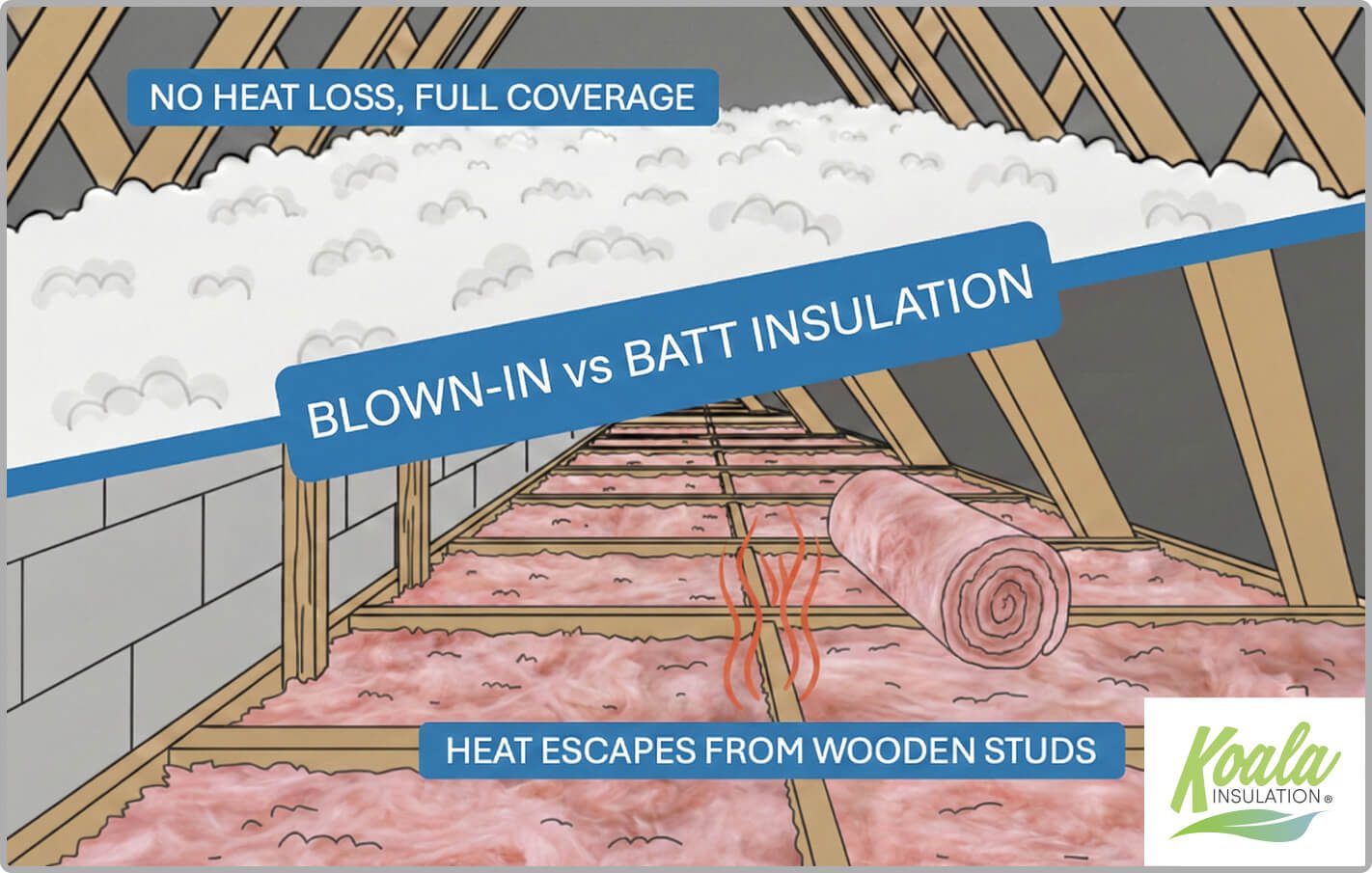
For attic floors, blown-in is usually the stronger choice. A blown layer is continuous, wrapping over joists and around obstructions, while rolls leave the small seams and voids that cause drafts and uneven temperatures. Real-world performance follows coverage, and coverage is exactly what blown-in delivers for your St. Louis home.
How Much Blown-In Insulation Do I Need?
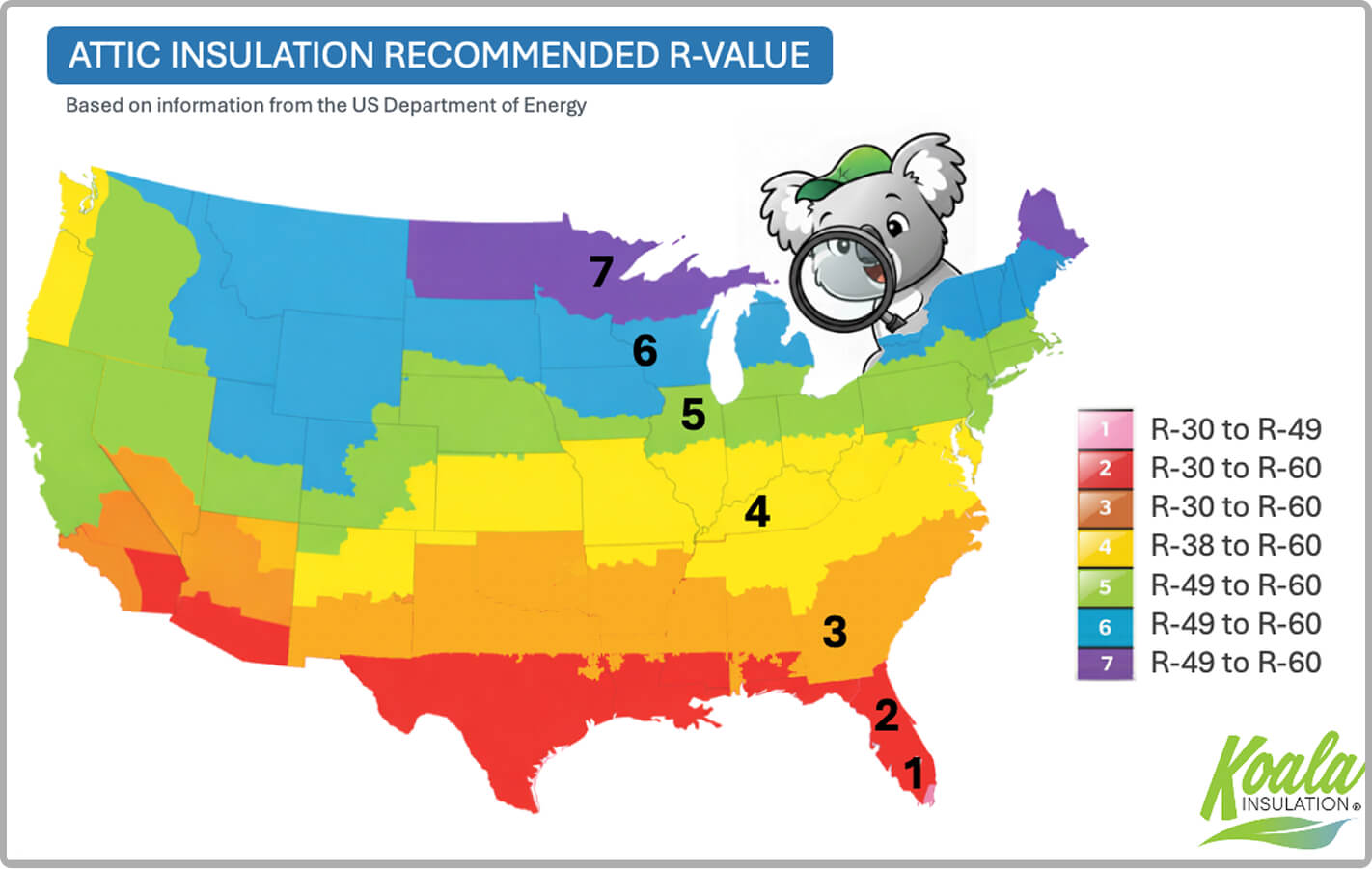
How much blown-in insulation you need depends on the size of the space, the insulation depth required, and your geographic location (see the map below). Climate plays a major role in determining the recommended R-value for an attic, with colder regions requiring thicker insulation to reduce heat loss and warmer regions needing enough insulation to block heat gain. The square footage of the attic and the target R-value together determine how much material is required to achieve consistent coverage. St. Louis falls in IECC Climate Zone 4A (mixed-humid), where DOE and ENERGY STAR guidance calls for attic insulation of roughly R-38 to R-60.
That is why professional installers do not eyeball it: material calculations follow climate-zone guidelines, current insulation levels, and manufacturer coverage charts. Done right, the depth matches the recommended R-value for your area, allows for natural settling, and leaves no thin spots to drag down performance. The diagram below illustrates how recommended attic insulation levels shift by region, a quick way to see why needs differ from one location to the next.
Insulation Education
Learn why insulation is critical to your home’s energy efficiency and your family’s comfort.
Learn More
Get a quote
Ready to start your insulation project? Get a free quote from your local Koala Insulation team today.