
Cellulose vs. Fiberglass Insulation: Which Is Right for Your Knoxville Home?
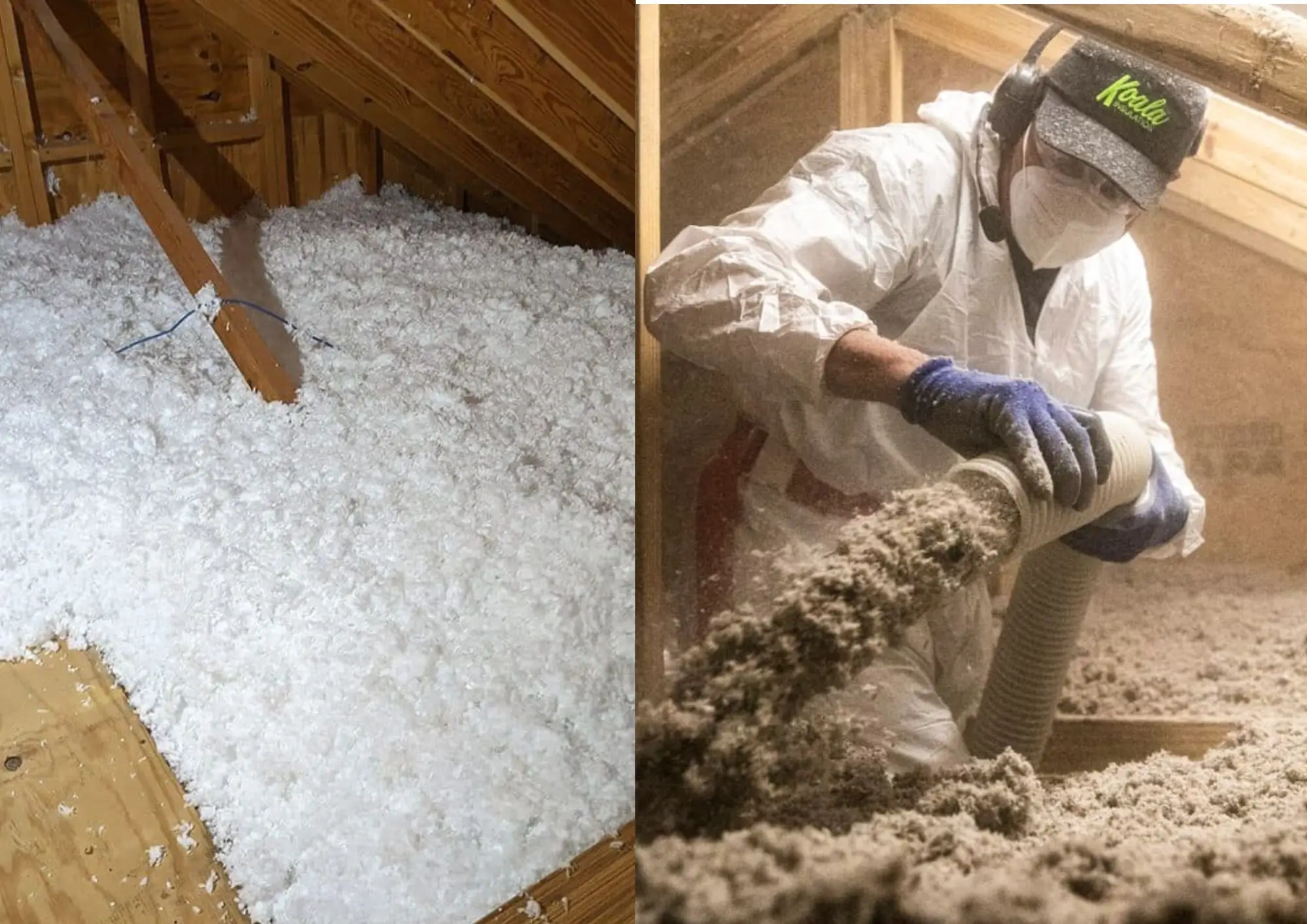
Cellulose vs. Fiberglass Insulation Key Takeaways:
- Material Differences: Cellulose comes from treated recycled paper and is typically blown into place. Fiberglass comes from glass fibers and is available in batts, rolls, and blown-in forms.
- Insulation Performance: Both materials help keep your home comfortable when installed to the right R-value. The amount you need depends on your home’s existing insulation and attic conditions.
- Best Applications: Blown-in cellulose and fiberglass both work well for many attic upgrades. Fiberglass batts are also a popular choice for open wall framing.
Hot upstairs rooms in the summer and chilly bedrooms in the winter can make your Knoxville home frustratingly uncomfortable. Upgrading your insulation may help, but which material is the better fit: cellulose or fiberglass insulation?
At Koala Insulation of Greater Knoxville, we help homeowners choose insulation based on their home’s existing conditions and comfort goals. In this guide, we’ll compare cellulose and fiberglass insulation, including performance, cost, and the best applications for Knoxville homes.
Ready to start your insulation project?
What Are Cellulose and Fiberglass Insulation?
Cellulose insulation consists mainly of recycled paper fibers treated with fire-retardant compounds. Installers commonly blow loose-fill cellulose across attic floors or install dense-pack cellulose in suitable enclosed cavities. Its loose fibers help create even coverage around framing and other obstacles.
Fiberglass insulation consists of fine glass fibers and comes in batts, rolls, and loose-fill forms. Batts fit between accessible framing, while blown-in fiberglass uses specialized equipment to cover attic floors and suitable cavities.
Head-to-Head Comparison: Cellulose vs. Fiberglass Insulation
| Factor | Cellulose | Blown-In Fiberglass | Fiberglass Batts |
|---|---|---|---|
| Composition | Treated recycled paper fibers | Fine glass fibers | Glass fibers formed into blankets |
| Installation | Loose-fill in attics; dense-pack in suitable cavities | Blown into attics or suitable cavities | Fitted between open framing |
| R-Value Per Inch | Around R-3.7 | Around R-2.5 | Around R-3.2 for standard batts |
| Moisture | Can absorb water | Fibers resist water absorption | Fibers resist water absorption |
| Long-Term Performance | Loose-fill requires allowance for settling | Requires proper installed depth and coverage | Gaps or compression reduce performance |
| Fire Resistance | Treated with fire retardants | Unfaced glass fibers are generally noncombustible | Unfaced fibers are generally noncombustible |
| Sound Absorption | Helps absorb sound | Helps absorb sound | Helps absorb sound |
| Recycled Content | Typically high recycled-paper content | Varies by manufacturer | Varies by manufacturer |
*R-values are approximate reference figures. Actual performance depends on the product and installation specifications.
Cellulose generally offers more R-value per inch, which can help when space is limited. However, gaps around plumbing, wiring, and attic access points can still let conditioned air escape. Sealing those leaks and maintaining consistent insulation coverage helps keep your home comfortable year-round.
Which Insulation Is Best for Knoxville Attics and Walls?
Before choosing insulation, take stock of what’s already in your attic or walls. Existing insulation depth, available space, and signs of moisture can all affect which material makes sense for your Knoxville home.
Understanding how R-value affects insulation in cold weather can help you determine how much insulation your home needs. For Knoxville’s Climate Zone 4A, ENERGY STAR recommends R-60 for uninsulated attics and R-49 for attics with 3–4 inches of existing insulation.
Here’s how the options compare for common projects:
- Existing Attics: Blown-in cellulose and fiberglass provide even coverage around attic framing. With our blown-in attic insulation services, we assess existing insulation and use depth markers to help ensure proper coverage.
- Attics With Fiberglass Batts: Adding compatible loose-fill insulation may improve coverage if the existing batts are dry and in good condition.
- New Construction and Open Framing: Fiberglass batts are a practical choice for accessible walls. Proper batt insulation installation helps prevent gaps and compression around framing.
- Enclosed Wall Retrofits: Dense-pack cellulose or compatible blown-in fiberglass may work in suitable wall cavities, depending on access and moisture conditions.
- Water-Damaged Attics: Fix the moisture source first. You may need to remove wet, moldy, or deteriorated insulation before you can safely install a fresh layer.
Cellulose vs. Fiberglass Insulation Cost
Installation costs vary by material, square footage, target R-value, and required preparation. Fiberglass batts may be an affordable option for open framing, while blown-in cellulose and fiberglass have different installation requirements.
| Insulation Type | Estimated National Installed Cost Per Sq. Ft.* |
|---|---|
| Blown-In Cellulose | $1.00–$2.80 |
| Blown-In Fiberglass | $1.00–$2.80 |
| Fiberglass Batts | $0.80–$2.60 |
*These are general national estimates for preliminary budgeting, not Koala Insulation of Greater Knoxville’s rates. Actual costs depend on the material, required R-value, installation area, and preparation work.
Removing damaged insulation, sealing air leaks, or working around limited attic access can increase costs. Compare quotes with the same coverage area, R-value, and preparation work in mind. You may also qualify for insulation or air sealing rebates through TVA EnergyRight and participating local power companies, depending on current program requirements.
Common Mistakes Knoxville Homeowners Make When Choosing Insulation
- Skipping Air Sealing: Even a thick layer of insulation won’t stop air escaping through gaps around plumbing, wiring, or attic access points. Our air sealing service finds those trouble spots and seals them before we add insulation.
- Installing Batts Incorrectly: Gaps around framing or compressed fiberglass batts can reduce performance. Batts need to fit the space without being forced into place.
- Ignoring Existing Insulation: You can often add loose-fill insulation over dry, undamaged fiberglass batts. However, damaged material and trapped moisture need to be addressed first.
- Overlooking Moisture and Ventilation: Roof leaks and blocked soffit vents can cause problems regardless of the insulation material. Installers may need ventilation baffles to maintain airflow and must preserve safe clearances around heat-producing fixtures.
Frequently Asked Questions About Cellulose and Fiberglass Insulation
Is cellulose or fiberglass insulation better for an attic?
Both blown-in cellulose and fiberglass work well for many attics. Cellulose generally provides more R-value per inch, while blown-in fiberglass offers another effective option for achieving the recommended insulation depth.
Can you put cellulose insulation over existing fiberglass?
Yes, blown-in cellulose can often go over existing fiberglass insulation if it’s dry and undamaged. Address air leaks and moisture problems before installation.
Does cellulose insulation absorb moisture?
Yes. Cellulose can absorb water from leaks or persistent moisture. Fiberglass absorbs less water, but wet surrounding materials can still cause problems.
Is fiberglass insulation cheaper than cellulose?
Fiberglass batts can be affordable in open framing, but installed costs vary. Compare quotes for the same coverage area, R-value, and preparation work.
Which insulation type is more eco-friendly?
Cellulose typically uses recycled paper, while fiberglass manufacturers may incorporate recycled glass. The EPA’s recycled-content guidelines recognize both materials, although the actual recycled content varies by product.
Find the Right Insulation for Your Knoxville Home
Still weighing cellulose vs. fiberglass insulation? At Koala Insulation of Greater Knoxville, we know how frustrating hot upstairs rooms and an underinsulated attic can be. And that’s why we’re here to help.
Our local team will take a close look at your existing insulation, listen to what’s been bothering you, and explain our recommendations and why. We’re here to help you find the right fit for your home and make those uncomfortable rooms feel like home again.
Find Your Location



Get a quote