
Why You’re Losing the Battle Against Arizona Summers (And How to Fix It)
When July hits in Arizona and the thermostat outside flirts with 115°F, most of us do the exact same thing: we pray our AC holds up, and we mentally prepare for the impending doom of our next electric bill.
It’s easy to blame the HVAC unit when the house feels like a oven, but there’s a quiet culprit most homeowners completely overlook. It’s sitting right above your head: your insulation.
If your home isn’t insulated properly, running your AC is basically like trying to cool your house with the front door wide open. Here is why good insulation is actually your home’s secret weapon, and how to tell if yours is failing you.
The Attic: Arizona’s Literal Hot Zone
Ready to start your insulation project?
Living out here means dealing with a unique kind of heat. When it’s 110°F outside, your attic can easily turn into an oven, reaching well over 150°F.
Without a thick, high-quality barrier keeping that heat out, it bleeds right through your drywall and into your living space. Your AC is suddenly forced into overdrive, working double-time just to keep the living room bearable. The result?
Sky-high SRP or APS bills.
That one bedroom in the back that stays stubbornly hot.
An overworked AC unit that’s bound to break down right when you need it most.
Signs Your Home is Begging for an Insulation Upgrade
A lot of homes in the Phoenix area—especially older builds—either didn’t get enough insulation from the start, or what was there has settled, degraded, and flattened out over the years.
You probably need to look into an upgrade if:
You have “mystery zones”: One room feels cool, while the office feels like a greenhouse.
The AC never stops: If your unit is running 24/7 without a break, it’s fighting a losing battle against heat transfer.
Your energy bills make you wince: If your winter bills are fine but your summer bills jump off a cliff, your home isn’t holding its cool air.
You take a peek up there and see ceiling joists: If you can see the wooden beams in your attic floor, your insulation is definitely too low.
Breaking Down Your Options
You don’t need a one-size-fits-all solution. Depending on your budget and how your house was built, you usually have three main routes to go:
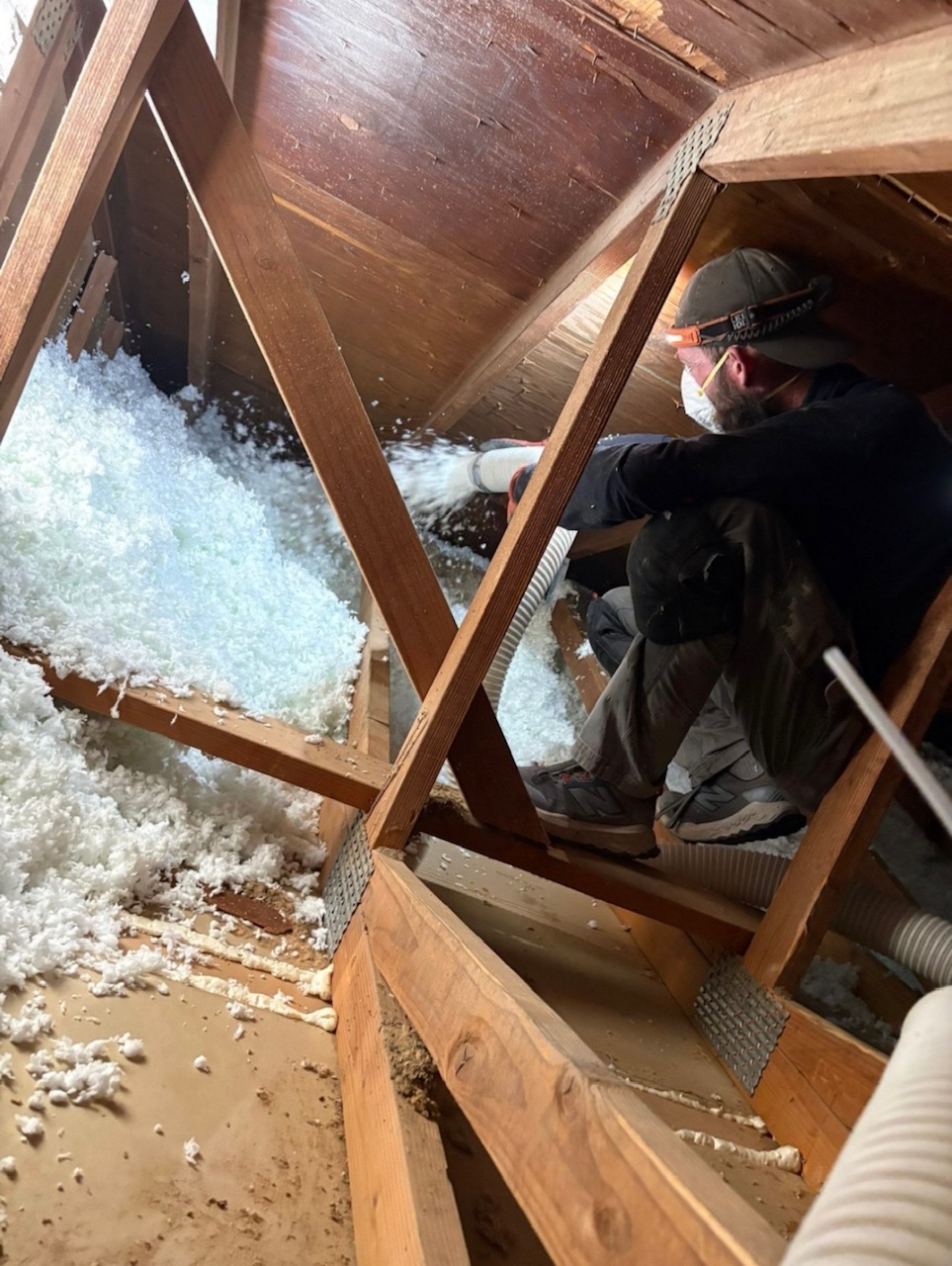
Blown-In Fiberglass or Cellulose: This is the go-to for most attics. A crew uses a massive hose to blow loose material into every nook, cranny, and gap, creating a thick, fluffy blanket over your ceiling.
Spray Foam: A Premium option. It expands to seal up every microscopic air leak, essentially turning your attic into a sealed, conditioned space. It costs more upfront, and sometime the added expense doesn’t offer a good return on your investment.
Batt Insulation: These are the classic fiberglass rolls. They’re great for open walls during a remodel, but less effective for retrofitting tricky attic spaces.
Quick Tip: Don’t forget about ventilation. Insulation slows down the heat, but your roof vents are what actually let the trapped heat escape. They have to work together. If your attic can’t breathe, your insulation has to work twice as hard.
The Bottom Line
Upgrading your insulation isn’t the most glamorous home improvement project—it’s not a new kitchen or a backyard pool. But in Arizona, it’s easily one of the most practical investments you can make. It pays for itself in lower monthly bills, protects your expensive AC unit from burning out early, and honestly, just makes your home a much nicer place to live.
If you suspect your house is leaking cool air, it’s worth having a local pro come out and check your levels. A quick inspection can show you exactly where you’re losing money and how to finally beat the desert heat.
Find Your Location



Get a quote