
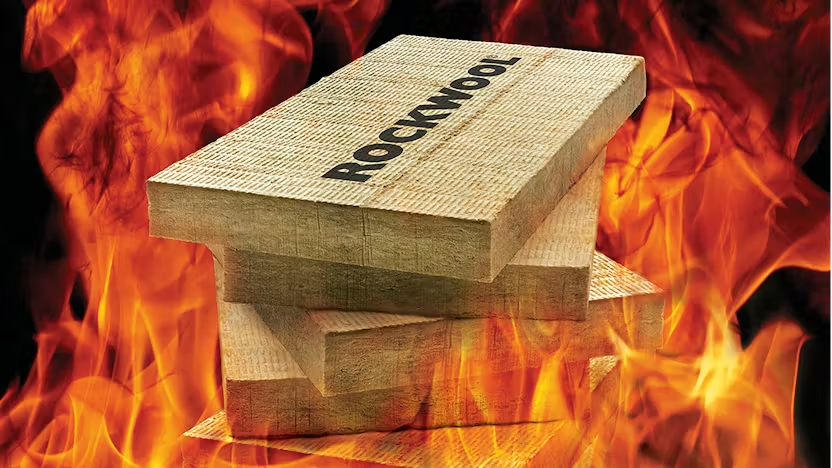
When homeowners think about fireproofing, they often focus on smoke alarms, fire extinguishers, or flame-resistant roofing. While these measures are essential, one often-overlooked component plays a surprisingly important role in protecting a home from fire: insulation. Beyond regulating temperature and improving energy efficiency, the right insulation can significantly slow the spread of fire, reduce heat transfer, and provide valuable time for occupants to evacuate and for firefighters to respond.
How Insulation Affects Fire Safety
Insulation influences fire safety in two main ways: how it reacts to flames and how it manages heat. During a fire, materials that resist ignition and slow heat movement can prevent flames from spreading rapidly through walls, ceilings, and floors. This containment can mean the difference between localized damage and total loss.
Fire-resistant insulation helps:
- Delay ignition of structural components
- Reduce flame spread inside wall cavities
- Limit heat transfer, slowing the growth of a fire
- Maintain structural integrity for a longer period
- These factors collectively improve a home’s overall fire performance.
Fire-Resistant Insulation Materials
Not all insulation is created equally when it comes to fire protection. Some materials are naturally non-combustible, while others are treated with fire retardants.
- Mineral wool (rock wool or slag wool): One of the best options for fireproofing, mineral wool is non-combustible and can withstand extremely high temperatures without melting. It also acts as an effective fire barrier within wall assemblies.
- Fiberglass insulation: Made from glass fibers, fiberglass is non-combustible and resists ignition. While the facing material may burn, the insulation itself helps slow heat and flame spread.
- Cellulose insulation: Typically treated with fire-retardant chemicals, cellulose can resist ignition better than untreated organic materials, though it is not fully non-combustible.
Choosing insulation with a high fire-resistance rating is a crucial step in reducing fire risk. Koala Insulation offers all of these options, and when we perform our free insulation evaluation, we will assess your current insulation and make recommendations tailored to your specific needs and goals.
It’s important to note that most some spray foams are combustible and must be covered with a thermal barrier such as drywall, or intumescent coatings like DC315, to meet fire safety codes.
Insulation as a Fire Barrier
Properly installed insulation fills gaps and cavities where fire and smoke can otherwise travel unnoticed. These hidden spaces inside walls, attics, and between floors, often act as pathways that allow fires to spread rapidly. Fire-resistant insulation helps block these routes, slowing the movement of flames and smoke and reducing the risk of flashover.
In multi-story homes, insulation between floors can also help contain a fire to one level, limiting damage and increasing the chances of safe evacuation.
Building Codes and Fire Ratings
Modern building codes recognize the role insulation plays in fire safety. Many require insulation materials to meet specific fire-resistance and flame-spread ratings. Homeowners renovating or building new homes should ensure their insulation choices comply with local fire codes and standards, such as ASTM and UL fire testing ratings. These benchmarks provide reassurance that materials have been tested under realistic fire conditions.
Insulation as Part of a Comprehensive Fireproofing Strategy
While insulation is a powerful fire-safety tool, it works best as part of a broader fireproofing plan. Fire-resistant insulation should be paired with:
- Fire-rated drywall and doors
- Properly sealed penetrations and vents
- Smoke alarms and sprinkler systems
- Fire-resistant exterior materials
Together, these elements create multiple layers of defense that dramatically improve a home’s ability to withstand fire.
How fireproof paint and insulation work together
Insulation
- Slows heat transfer
- Can help delay fire spread (especially mineral wool, fiberglass)
- Some types are combustible (spray foam, polystyrene)
Fireproof / intumescent paint
- Expands when exposed to heat
- Creates a char layer that protects the surface beneath
- Mainly protects structural materials (wood, steel), not insulation itself
Used together, they improve overall fire resistance, but they are not interchangeable.
When fireproof paint can be used with insulation
✅ On exposed structural surfaces
- Wood framing, beams, or steel near insulation
- Especially when insulation is combustible (spray foam)
✅ Over spray foam insulation
- Spray foam usually requires a thermal or ignition barrier
- Intumescent paint is often approved for this purpose (check local code)
✅ In basements, attics, and utility spaces
- Where insulation may be left exposed
- Fireproof paint adds an extra layer of protection
When fireproof paint cannot be used with insulation
❌ Directly on batt insulation
- Fiberglass or mineral wool does not benefit from paint
- Paint can reduce insulation performance
❌ As a replacement for fire-rated assemblies
- Fireproof paint does not replace drywall, fire-rated board, or proper barriers
At Koala Insulation we understand that your home’s insulation does far more than keeping you warm in winter and cool in summer. We will take the time to explain the different insulation choices and benefits of each one to help you make the right choice for your home. When chosen and installed correctly, insulation plays a vital role in fireproofing by resisting ignition, slowing heat transfer, and limiting the spread of flames and smoke. For homeowners serious about protecting their property and the lives inside it, investing in fire-resistant insulation is not just an energy efficiency decision, it’s a critical safety choice.
Related
Articles
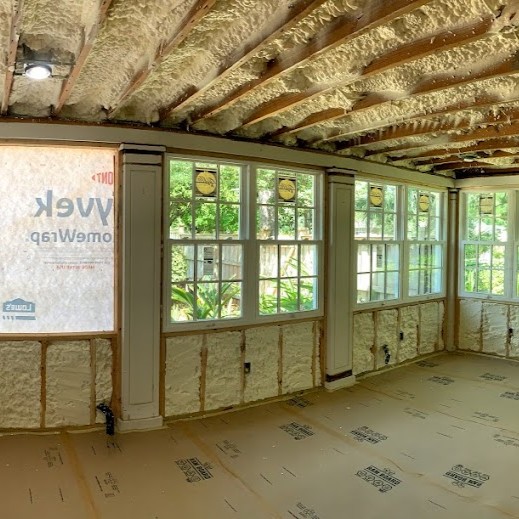
Spray Foam Is Getting a Bad Rap in Canada’s New Housing Guide. Here’s Why the Numbers Don’t Add Up.
International Solar Solutions Inc. (iSolar) and Koala Insulation Canada Announce Partnership

Effective Insulation And Solar Attic Fans: The Winter Combo That Cuts Both Costly Damage And Energy Bills
Find Your Location



Get a quote