
Can Insulation Help Reduce Dry Indoor Air During Bergen County Winters?
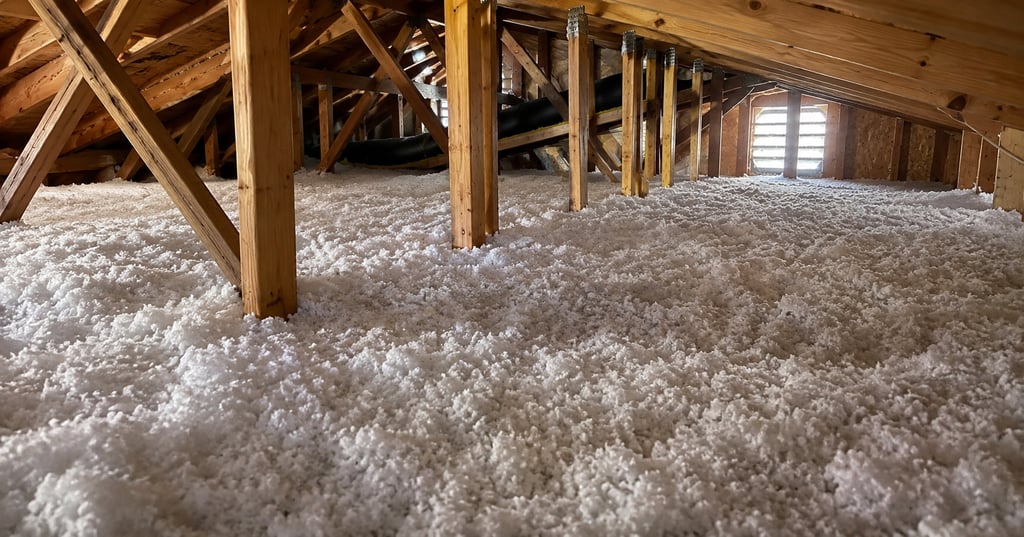
Winter in Bergen County, New Jersey, brings more than freezing temperatures and increased heating bills. For many homeowners, the colder months also introduce uncomfortable indoor conditions, including dry air, static electricity, dry skin, and irritated nasal passages. Whether you live in a Colonial in Ridgewood, a Cape Cod in Fair Lawn, or a split-level home in Paramus, maintaining comfortable indoor humidity can become a challenge when outdoor temperatures drop and heating systems operate more frequently.
Many homeowners respond to winter dryness by purchasing humidifiers or adjusting their thermostats. While these measures can sometimes improve comfort, they may not address underlying problems with the home’s building envelope. Uncontrolled air leakage through attics, exterior walls, crawl spaces, and other openings can allow heated indoor air to escape while drawing colder, drier outdoor air inside.
Can insulation help reduce indoor dryness during winter? Yes, indirectly, particularly when insulation improvements are combined with proper air sealing. Insulation slows heat transfer, while air sealing helps reduce unwanted air exchange that can contribute to low indoor humidity. Neither improvement adds moisture to the air, but together they can create a more stable indoor environment and improve year-round comfort.
Ready to start your insulation project?
At Koala Insulation of Bergen County, we help homeowners identify building-envelope deficiencies that can affect comfort and energy efficiency. Understanding the relationship between insulation, air leakage, indoor humidity, and ventilation can help you determine which improvements may make your home more comfortable throughout New Jersey’s colder months.
Why Does Indoor Air Get So Dry During Bergen County Winters?
To understand winter indoor dryness, it helps to understand the relationship between temperature and humidity. Relative humidity measures how much water vapor is present in the air compared with the maximum amount the air could hold at its current temperature.
Cold outdoor air generally contains less water vapor than warmer, more humid air. When that cold air enters a home and is heated to a comfortable indoor temperature, its relative humidity decreases unless additional moisture is introduced.
For example, outdoor air entering a Bergen County home during a freezing January morning may have a relatively high humidity percentage despite containing very little actual water vapor. Once that air is warmed indoors, its relative humidity can fall considerably.
This is one reason homes can feel uncomfortably dry during winter even when the heating system is functioning normally.
However, heating itself does not necessarily remove moisture from indoor air. Instead, warming air changes its relative humidity, while ventilation, uncontrolled infiltration, and other processes influence how much water vapor is actually present.
Older Bergen County homes may experience more significant winter humidity fluctuations when numerous air leaks allow indoor air to be replaced continuously with colder outdoor air.
How Air Leaks Contribute to Winter Dryness
Uncontrolled air leakage is one of the building-envelope conditions that can contribute to persistently low indoor humidity.
During winter, temperature differences and wind create pressure differences between the inside and outside of a home. These pressure differences can cause warm indoor air to escape through openings in the building envelope while drawing outdoor air inside through other gaps.
When the incoming outdoor air contains relatively little moisture, repeated air exchange can make it more difficult to maintain comfortable indoor humidity.
Attic Air Leaks and the Stack Effect
One important source of winter air leakage is the attic.
Warm indoor air tends to rise, and temperature differences between indoor and outdoor air can create pressure differences throughout the building. This phenomenon, commonly called the stack effect, can encourage heated indoor air to escape through openings near the top of a home.
Common attic leakage points include gaps around electrical wiring, plumbing penetrations, recessed lighting, attic access hatches, and wall top plates.
As conditioned air escapes into an unconditioned attic, colder outdoor air can enter through openings elsewhere in the building. This ongoing exchange may contribute to drafts, heat loss, and reduced indoor humidity.
For homeowners in Ridgewood, Glen Rock, and Oradell, older two-story Colonials may contain attic penetrations or framing connections that deserve attention during an insulation assessment.
Improving attic insulation helps reduce heat transfer, but addressing the air leakage pathways themselves is particularly important when trying to limit uncontrolled air exchange.
Exterior Walls and Hidden Air Leakage
Exterior walls can also contain openings that allow unwanted airflow.
In older residential construction, air leakage may occur around electrical outlets, window and door framing, plumbing penetrations, and connections between different building materials.
These openings may be especially relevant in homes that have undergone renovations or additions over several decades.
Although properly installed wall insulation helps reduce heat transfer, conventional insulation materials do not necessarily close every air leakage pathway. The home’s air barrier must also be evaluated.
For Bergen County homeowners experiencing persistent drafts or uneven winter temperatures, identifying these gaps can be an important step toward improving comfort.
Basements and Crawl Spaces
Air leakage near the foundation can influence conditions throughout a home.
In some properties, openings around rim joists, foundation penetrations, and crawl space connections allow colder outdoor air to enter lower levels of the building.
This incoming air may contribute to cold floors, drafts, and changes in indoor humidity.
Homes with crawl spaces also require appropriate moisture management. Depending on their construction, crawl spaces may experience excessive moisture during some seasons while still allowing cold outdoor air infiltration during winter.
For homeowners with these conditions, crawl space encapsulation services in Bergen County may be worth evaluating as part of a broader building-envelope improvement strategy.
Can Insulation Actually Improve Indoor Humidity?
Insulation can contribute to a more stable indoor environment, but it is important to understand what insulation does and does not accomplish.
The primary function of insulation is to resist heat transfer through walls, ceilings, floors, and other building assemblies. By slowing the movement of heat, insulation helps maintain more consistent indoor temperatures and can reduce heating and cooling demand.
This improvement may also help maintain warmer interior surface temperatures during winter, potentially reducing certain condensation risks associated with cold surfaces.
However, most conventional insulation materials are not complete air barriers. Installing fiberglass batts or loose-fill insulation does not automatically stop outside air from entering through gaps in the building envelope.
The greatest potential benefit for winter dryness comes from reducing uncontrolled air leakage while maintaining appropriate insulation and ventilation.
When a home loses less conditioned air through unintended openings, the indoor environment may become easier to manage. Homeowners may also find that humidification equipment can maintain its intended settings more consistently.
However, insulation and air sealing do not guarantee that indoor humidity will reach a comfortable level. The home’s ventilation system, moisture sources, heating conditions, and outdoor weather all influence the final result.
Why Air Sealing Is Essential for Managing Winter Dryness
Air sealing involves identifying and closing unintended gaps and openings that allow air to move between conditioned indoor spaces and the outdoors or unconditioned parts of a building.
Unlike conventional insulation, which primarily slows heat transfer, air sealing directly addresses unwanted air movement.
For Bergen County homeowners concerned about winter dryness, this distinction is particularly important.
For example, an unfinished attic may already contain several inches of fiberglass insulation, but openings around plumbing penetrations or the attic access hatch may continue allowing heated indoor air to escape.
Adding more insulation can increase thermal resistance, but those leakage pathways may remain active until they are properly sealed.
Sealing these openings can reduce unnecessary air exchange, helping create more stable indoor conditions.
Koala Insulation of Bergen County offers professional air sealing services designed to identify and address unwanted airflow.
When combined with suitable insulation improvements, air sealing can help homeowners reduce drafts, improve temperature consistency, and better manage factors that contribute to winter humidity fluctuations.
The Best Insulation Options for Bergen County Homes Experiencing Winter Dryness
Different insulation materials have different thermal and air-sealing characteristics. Selecting the right option depends on the home’s construction, existing insulation, moisture conditions, and where improvements are needed.
Blown-In Fiberglass and Cellulose Insulation
Blown-in insulation is commonly used in unfinished attics because it can provide consistent coverage across irregular surfaces and around framing.
Loose-fill fiberglass and cellulose are both effective thermal insulation materials when installed according to manufacturer specifications.
For Bergen County homeowners with insufficient attic insulation, these materials can improve thermal resistance and help maintain more consistent indoor temperatures.
However, loose-fill insulation should not be considered a substitute for a continuous air barrier.
Before adding blown-in insulation, accessible attic air leakage points should generally be evaluated and appropriately sealed.
For older homes with uneven attic coverage, blown-in attic insulation services in Bergen County can help address deficiencies in the existing insulation system.
Spray Foam Insulation
Spray foam insulation can provide both thermal resistance and air-sealing capabilities when properly selected and installed.
Unlike conventional loose-fill insulation, certain spray foam products can form an effective air barrier at specified installation thicknesses.
This makes spray foam potentially useful in selected wall cavities, rim joists, and other locations where reducing unwanted air movement is an important part of the project.
However, spray foam is not automatically the best material for every application. Proper installation requires evaluating moisture conditions, vapor-control requirements, ventilation, and the overall building assembly.
For homeowners considering this approach, spray foam insulation services in Bergen County can help identify appropriate applications.
Fiberglass Batt Insulation
Fiberglass batt insulation provides thermal resistance when installed correctly between framing members.
It is commonly used in walls, floors, and accessible ceiling assemblies.
Although fiberglass batts can reduce heat transfer, they generally do not function as a complete air barrier.
Gaps around framing, penetrations, and other construction details may continue allowing air leakage unless those openings are separately addressed.
For this reason, batt insulation is often most effective when combined with appropriate air-sealing measures.
Which Option Is Best?
There is no single insulation material that universally provides the best solution for winter indoor dryness.
For many existing Bergen County homes, improving attic insulation and completing targeted air sealing may be a practical starting point.
Other properties may benefit from additional wall insulation, rim joist improvements, or specialized spray foam applications.
The appropriate solution should be based on an evaluation of the home’s thermal boundary, air leakage pathways, existing materials, and moisture-management needs.
Why Winter Dryness Can Be More Noticeable in Older Bergen County Homes
Bergen County includes a wide variety of residential construction styles, many of which present different insulation and air-sealing challenges.
The age, layout, and renovation history of a property can influence where air leakage occurs and how indoor temperatures and humidity fluctuate.
Colonial Homes in Ridgewood, Glen Rock, and Oradell
Traditional Colonial homes often have two stories with bedrooms directly beneath an attic.
During winter, temperature-driven pressure differences can encourage warm air to escape through gaps in the upper ceiling plane.
If lower portions of the house also have air leakage openings, cold outdoor air may enter to replace the escaping indoor air.
Older Colonials may have additional leakage pathways around attic penetrations, framing transitions, and previous renovations.
Improving attic air sealing and evaluating existing insulation levels can help address these conditions.
Cape Cod Homes in Fair Lawn and Bergenfield
Cape Cod homes frequently include finished upstairs rooms with knee walls, sloped ceilings, and small attic spaces.
These features create multiple building surfaces separating conditioned living areas from colder, unconditioned spaces.
When air barriers are incomplete, unwanted airflow can occur around knee walls, floor cavities, and attic access areas.
Homeowners may notice that upstairs rooms feel colder or draftier than the main living level.
Addressing these issues requires identifying the correct insulation and air-barrier locations rather than simply adding material to the most accessible area.
Split-Level Homes in Paramus and Teaneck
Split-level homes often contain multiple floor elevations, separate attic sections, and rooms above garages or other unconditioned spaces.
This construction can create several potential air leakage pathways that affect indoor comfort.
Some rooms may experience more infiltration than others, particularly when framing connections or floor assemblies are not adequately sealed.
For these properties, a whole-home approach may be more useful than focusing exclusively on attic insulation.
Ranch Homes in Emerson and Westwood
Ranch-style homes often have substantial attic floor areas relative to their conditioned living space.
An unfinished attic with inadequate insulation or significant ceiling penetrations can contribute to heat loss and unwanted air exchange.
Because attic access is often relatively straightforward, these homes may be candidates for targeted attic air sealing followed by an insulation upgrade.
However, the existing insulation condition, ventilation pathways, and other building factors should be evaluated before work begins.
What Is the Ideal Indoor Humidity Level During a Bergen County Winter?
Maintaining appropriate indoor humidity is important for comfort and moisture management.
According to the U.S. Environmental Protection Agency’s indoor air quality guidance, indoor relative humidity should generally be maintained between 30% and 50%.
This range provides a useful starting point, but the appropriate humidity level can vary depending on outdoor temperatures and the home’s construction.
During periods of extreme cold, some homes may require indoor humidity below the upper end of this range to avoid condensation on cold windows or other surfaces.
Excessive humidity can contribute to condensation and moisture accumulation, particularly in older homes with cold window surfaces or poorly insulated building assemblies.
On the other hand, persistently low indoor humidity may contribute to discomfort, including dry skin, static electricity, and irritation of the eyes or nasal passages.
A small digital hygrometer can help homeowners monitor relative humidity rather than relying exclusively on how the air feels.
Measurements should be taken in representative living spaces, away from direct heat sources and obvious moisture sources, to provide a more useful indication of indoor conditions.
Can You Have Dry Indoor Air and Condensation Problems at the Same Time?
Yes. A home can experience relatively dry indoor air while still developing condensation on particularly cold surfaces.
Condensation occurs when moist air contacts a surface cold enough for water vapor to condense.
For example, a Bergen County homeowner may notice dry air in the living room while also seeing moisture accumulate along the lower edges of bedroom windows during a freezing winter morning.
This can happen because windows, framing connections, and other building components may have colder surface temperatures than the surrounding indoor air.
Increasing indoor humidity without addressing cold surfaces or other underlying conditions can make condensation worse.
The EPA explains that moisture control is essential for preventing mold and recommends addressing condensation and sources of water intrusion promptly.
Homeowners can review the agency’s guidance on identifying insulation and air-sealing problems, which identifies drafts, uneven indoor temperatures, and insulation deficiencies as common building-envelope concerns.
For Bergen County homeowners, this illustrates why insulation, air sealing, ventilation, and humidity management should be considered together.
Why Proper Ventilation Still Matters After Air Sealing
Reducing uncontrolled air leakage can improve energy efficiency and help stabilize indoor conditions, but homes still need appropriate ventilation.
Ventilation provides a means of exchanging indoor and outdoor air and helps manage pollutants and excess moisture generated by everyday activities.
Cooking, showering, cleaning, and normal household occupancy all introduce moisture into indoor air.
Without appropriate ventilation, that moisture can accumulate, potentially contributing to condensation and other indoor air quality problems.
For this reason, a tighter building envelope should not be confused with eliminating ventilation.
Professional weatherization work should consider whether existing ventilation is adequate and whether additional mechanical ventilation may be appropriate.
In homes with fuel-burning appliances, combustion safety is another important consideration. Significant air-sealing changes can alter pressure conditions within a building, so qualified professionals should evaluate potential backdrafting and ventilation concerns where applicable.
For Bergen County homeowners, the objective should be to reduce uncontrolled air leakage while maintaining intentional ventilation that supports safe indoor air quality and moisture management.
Should You Use a Humidifier or Upgrade Your Insulation?
Humidifiers and insulation improvements address different aspects of winter indoor comfort.
A humidifier adds moisture to indoor air, making it potentially useful when measured relative humidity is consistently below a comfortable range.
Insulation slows heat transfer through building assemblies, while air sealing reduces unintended air exchange.
If a home is experiencing substantial air leakage, a humidifier may need to work harder because moisture added indoors can be lost as indoor air is replaced by drier outdoor air.
However, improving insulation and air sealing does not necessarily eliminate the need for humidification.
Some homes will continue to experience low indoor humidity during prolonged cold weather even after their building envelopes have been improved.
Homeowners should also avoid adding excessive moisture, particularly when condensation is appearing on windows or other cold surfaces.
Humidifiers should be maintained and cleaned according to manufacturer instructions to reduce the potential for microbial growth or other indoor air quality concerns.
The most effective strategy is to understand whether dryness is primarily associated with low indoor humidity, excessive air leakage, or a combination of conditions.
How to Improve Indoor Comfort During Bergen County Winters
Homeowners concerned about dry indoor air can take several practical steps to better understand and manage winter conditions.
Step 1: Measure Indoor Humidity
Begin by checking indoor relative humidity with a hygrometer.
Measurements taken at different times of day can help identify whether humidity is consistently low or fluctuates based on outdoor conditions and household activities.
If the measured humidity is within a reasonable range, perceived dryness may involve other factors rather than a significant moisture deficiency.
Step 2: Identify Drafts and Potential Air Leakage
Pay attention to drafts around attic access panels, exterior doors, windows, and areas where floors or walls meet.
Cold spots near framing connections or building penetrations may indicate unwanted air movement or insufficient insulation.
A professional assessment can help distinguish air leakage from other causes of discomfort.
Step 3: Evaluate Existing Attic Insulation
Insufficient attic insulation can contribute to winter heat loss and uncomfortable indoor temperatures.
If insulation is visibly thin, uneven, or missing in certain areas, an upgrade may be beneficial.
However, air leakage should be evaluated before additional insulation is installed, particularly when the attic floor contains numerous penetrations.
Step 4: Maintain Appropriate Ventilation
Make sure bathroom and kitchen exhaust systems are functioning appropriately and venting as intended.
Do not block intentional attic ventilation openings or disable necessary indoor ventilation systems in an attempt to retain humidity.
Where major air-sealing improvements are planned, ventilation and combustion safety should be considered as part of the project.
Step 5: Address Underlying Moisture Problems
If condensation, damp insulation, roof leaks, or visible mold are present, the underlying moisture source should be identified and corrected.
Adding insulation or increasing indoor humidity without addressing these problems may worsen conditions.
The goal is to maintain a comfortable indoor environment without allowing excess moisture to accumulate within the building.
What to Expect From a Professional Insulation and Air-Sealing Assessment
When a Bergen County homeowner experiences persistent drafts, uneven temperatures, or suspected building-envelope deficiencies, a professional assessment can help determine which improvements may be appropriate.
The evaluation may begin with reviewing accessible insulation areas, including the attic, exterior wall assemblies, and other spaces that separate conditioned living areas from the outdoors.
Existing insulation depth, coverage, and condition can help identify where thermal resistance may be inadequate.
The assessment should also consider potential air leakage pathways, including attic penetrations, access hatches, framing connections, and other accessible openings.
Where appropriate, additional diagnostic testing may be recommended to better understand uncontrolled airflow or the performance of the overall building envelope.
Moisture conditions are another important consideration. Evidence of water intrusion, condensation, or damaged insulation should be addressed before additional materials are installed.
Once these conditions are understood, the contractor can recommend whether air sealing, additional insulation, or other building-envelope improvements are suitable for the property.
The objective is to correct identifiable deficiencies that affect comfort and energy efficiency rather than assuming that every home with dry indoor air requires more insulation.
Frequently Asked Questions About Winter Indoor Dryness in Bergen County
Can Insulation Help Reduce Dry Indoor Air in Winter?
Insulation can indirectly help improve winter indoor comfort by slowing heat transfer and supporting more consistent indoor temperatures. When combined with air sealing, building-envelope improvements can also reduce uncontrolled air exchange that contributes to low indoor humidity. However, insulation does not produce moisture, and some homes may still require humidification to maintain comfortable indoor conditions.
Why Does My Bergen County Home Feel So Dry When the Heat Is On?
During winter, cold outdoor air typically contains relatively little water vapor. When that air enters a home and is heated, its relative humidity decreases unless moisture is added. Uncontrolled air leakage can continuously introduce this moisture-poor outdoor air, contributing to dry indoor conditions. The home’s ventilation, heating operation, and moisture sources also influence indoor humidity.
Will Air Sealing Help Maintain Indoor Humidity?
Air sealing can help reduce the uncontrolled replacement of indoor air with colder, drier outdoor air. This may make indoor humidity easier to maintain, particularly in homes with significant air leakage. However, air sealing does not add moisture, and appropriate ventilation must still be maintained to support indoor air quality.
Is Spray Foam Better Than Fiberglass for Controlling Winter Dryness?
Spray foam can provide air-sealing benefits when installed appropriately, while conventional fiberglass primarily provides thermal resistance. However, spray foam is not automatically the best solution for every home. Targeted air sealing combined with fiberglass or blown-in insulation may be suitable for many existing attic assemblies. The appropriate approach depends on the construction and identified air leakage pathways.
What Should Indoor Humidity Be During Winter in New Jersey?
The EPA generally recommends maintaining indoor relative humidity between 30% and 50%. However, the appropriate level may need to be lower during extremely cold weather if condensation develops on windows or other surfaces. Monitoring humidity with a hygrometer and watching for signs of moisture accumulation can help homeowners manage indoor conditions.
Can Poor Attic Insulation Cause Dry Air?
Poor attic insulation does not directly remove moisture from indoor air. However, attics with inadequate insulation may also contain significant air leakage pathways that allow warm indoor air to escape and drier outdoor air to enter elsewhere in the home. Addressing those leakage pathways through air sealing, along with appropriate insulation improvements, can help stabilize indoor conditions.
Why Do I Have Static Electricity in My House During Winter?
Static electricity can become more noticeable when indoor humidity is low. Dry air allows electrical charges to dissipate less readily, increasing the likelihood of static buildup and small shocks. Although static electricity may indicate dry indoor conditions, measuring relative humidity is more reliable than relying on static shocks alone.
Can Better Insulation Help With Condensation on Windows?
Improving insulation may help maintain warmer interior surface temperatures in some building assemblies, while air sealing can reduce the movement of warm, moisture-laden air into cold cavities. However, window condensation also depends on indoor humidity, outdoor temperature, window performance, and ventilation. Increasing humidity without addressing cold surfaces may make condensation worse.
Will a Humidifier Fix Winter Dryness if My Home Has Air Leaks?
A humidifier can add moisture to indoor air, but excessive air leakage may make it more difficult to maintain the intended humidity level. If conditioned indoor air is constantly escaping and being replaced by drier outdoor air, humidification equipment may need to operate more frequently. Evaluating the building envelope can help identify whether air leakage is contributing to the problem.
Can Insulation and Air Sealing Help During Bergen County Summers Too?
Yes. Insulation slows heat transfer during both winter and summer, while air sealing reduces unwanted airflow throughout the year. During hot, humid Bergen County summers, these improvements can help limit uncontrolled outdoor air infiltration and support more consistent indoor conditions. Appropriate ventilation and moisture management remain important in every season.
Improve Winter Comfort With Koala Insulation of Bergen County
Dry indoor air during winter can be frustrating, but it is important to understand whether the underlying problem involves low humidity, excessive air leakage, insufficient insulation, or a combination of conditions.
For homeowners throughout Ridgewood, Fair Lawn, Paramus, Glen Rock, Oradell, Teaneck, Wyckoff, Emerson, Westwood, and surrounding Bergen County communities, improving the building envelope can be an important step toward greater year-round comfort.
Proper insulation helps reduce heat transfer, air sealing limits unwanted airflow, and appropriate ventilation supports indoor air quality and moisture management. When these systems work together, homeowners are better positioned to maintain stable indoor conditions and reduce unnecessary energy waste.
At Koala Insulation of Bergen County, our local team helps homeowners identify opportunities to improve insulation performance and energy efficiency. Based in Emerson, New Jersey, we provide blown-in attic insulation, batt insulation, spray foam insulation, air sealing, crawl space encapsulation, and other solutions tailored to the needs of local properties.
Whether you own an older Colonial with significant attic air leakage, a Cape Cod with difficult-to-insulate knee walls, or a split-level home with uncomfortable rooms, our team can help evaluate your home’s insulation and identify appropriate building-envelope improvements.
Ready to make your Bergen County home more comfortable this winter? Contact Koala Insulation of Bergen County at (201) 627-0087 to schedule a free insulation assessment and learn how improvements to insulation and air sealing can support greater comfort, energy efficiency, and more manageable indoor conditions.
From the initial assessment through professional installation and the final walkthrough, our goal is to help Bergen County homeowners make informed decisions about improving their homes for every season.
Find Your Location



Get a quote