
How Does Insulation Keep Your Home Warm in Winter? The Science Explained for Bergen County, NJ
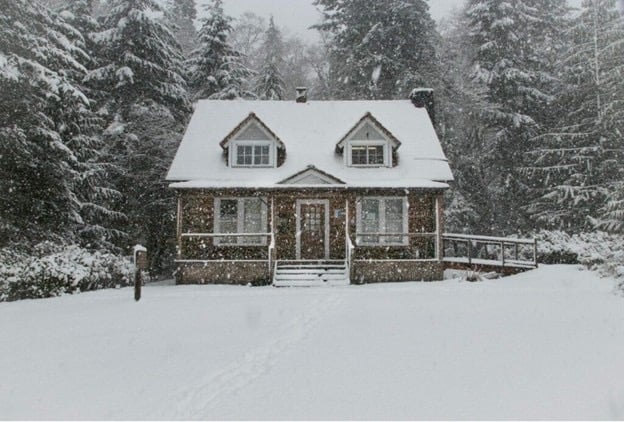
Winter in Bergen County, New Jersey, presents a significant challenge for homeowners trying to maintain comfortable indoor temperatures. Between freezing winter nights, snowstorms, and fluctuating temperatures, homes must work harder to retain warmth throughout the colder months. Whether you own an older Colonial in Ridgewood, a Cape Cod in Fair Lawn, or a split-level home in Paramus, understanding how insulation works can help you make more informed decisions about improving your home’s comfort and energy efficiency.
The science behind insulation is relatively straightforward: heat naturally moves from warmer areas toward colder areas, and insulation slows that transfer. During a Bergen County winter, heat from your living spaces continuously moves toward colder attics, exterior walls, floors, and other unconditioned areas. Without sufficient insulation, this heat escapes more easily, potentially increasing heating demand and creating uncomfortable temperature differences throughout your home.
Insulation helps keep Bergen County homes warm by reducing heat transfer through ceilings, walls, and floors. However, the most effective results come from combining proper insulation with air sealing and an appropriate ventilation strategy. Understanding these interconnected elements can help homeowners identify where their houses may be losing heat and determine which improvements will provide the greatest benefit.
Ready to start your insulation project?
The Science of Heat Loss: Why Your Bergen County Home Gets Cold
To understand how insulation works during winter, it helps to understand a basic principle of thermodynamics: heat naturally flows from warmer areas to colder areas. When your thermostat is set to 70°F and the temperature outside drops to 25°F, the temperature difference creates conditions that encourage heat to move out of your home through its building envelope.
The building envelope includes the walls, ceilings, floors, windows, doors, and other structural components separating conditioned indoor spaces from outdoor or unconditioned areas. Every component contributes to the home’s overall thermal performance, but some locations are more vulnerable to heat loss than others.
In older Bergen County homes, insulation may be insufficient, unevenly distributed, or missing from certain cavities. Even homes with relatively modern insulation can experience problems when gaps, thermal bridges, or uncontrolled air leakage compromise the building envelope.
According to the U.S. Department of Energy’s explanation of heat flow, heat moves through buildings in three primary ways: conduction, convection, and radiation. Understanding how each works can help explain why certain Bergen County homes feel colder than others during winter.
How Insulation Slows the Three Types of Heat Transfer
1. Conduction: Heat Moving Through Solid Materials
Conduction occurs when heat moves through materials because of a temperature difference. In a home, this process takes place through walls, ceilings, floors, wooden framing, and other structural components.
For example, imagine a Colonial home in Ridgewood during a freezing January evening. The interior ceiling is relatively warm because the heating system is maintaining a comfortable indoor temperature. Above that ceiling, the attic may be much colder. Heat naturally moves through the ceiling assembly toward the colder attic, with the rate of transfer depending on the materials and insulation present.
Insulation reduces this heat transfer by introducing materials with relatively high thermal resistance. Fiberglass, cellulose, and foam insulation all slow conductive heat flow, although they accomplish this through different material structures and installation methods.
When insulation is insufficient or installed with significant gaps, heat can move through the building assembly more readily. Increasing the appropriate insulation level can reduce this heat loss and help indoor surfaces remain warmer during cold weather.
2. Convection: Heat Moving Through Air
Convection involves the movement of heat through circulating air. Warm air becomes less dense and tends to rise, while cooler air is denser and tends to sink. These movements can create convection currents within rooms, building cavities, and other spaces.
In an older Bergen County home, poorly insulated wall cavities may allow air to circulate within the cavity, contributing to heat transfer. Insulation materials such as fiberglass and cellulose work partly by trapping air in small spaces, reducing internal convection and limiting heat movement through the insulated assembly.
However, convection should not be confused with uncontrolled air leakage. Insulation may reduce air movement within a cavity without preventing conditioned indoor air from escaping through cracks and openings in the building envelope.
This distinction is particularly important in homes with drafty attics, gaps around plumbing penetrations, or poorly sealed access panels. Addressing these openings requires air sealing in addition to insulation.
3. Radiation: Heat Moving Through Electromagnetic Energy
Radiation is the transfer of thermal energy through electromagnetic waves. Unlike conduction and convection, radiant heat transfer does not require direct physical contact between surfaces.
A familiar example is the warmth you feel when standing near a fireplace. Heat radiates from the warmer surface toward cooler surrounding objects and people, even without direct contact.
Radiant heat transfer also occurs within building assemblies. During winter, warmer interior surfaces exchange radiant energy with cooler surrounding surfaces. Insulation systems influence overall heat transfer through these assemblies, although conventional fiberglass and cellulose insulation should not be confused with reflective radiant barriers.
Some specialized insulation systems include reflective surfaces designed to reduce radiant heat transfer when installed next to an appropriate air space. However, reflective materials are not automatically the most effective option for cold-climate homes. Their performance depends on where and how they are installed, and homeowners should prioritize the overall thermal resistance and air-tightness of the building envelope.
For most Bergen County residential retrofits, choosing an appropriate insulation system with sufficient R-value is more important than focusing on reflective properties alone.
What Is R-Value, and Why Does It Matter in Bergen County?
R-value measures an insulation material’s resistance to heat flow. A higher R-value generally means greater thermal resistance, helping reduce the rate at which heat moves through an insulated surface.
However, R-value is not a measurement of how completely an insulation material stops air leakage. A wall or ceiling can contain insulation with a high R-value and still experience unwanted airflow through gaps, poorly sealed penetrations, or missing sections of the air barrier.
The correct insulation level also depends on the climate. Bergen County is classified as Climate Zone 5A under the International Energy Conservation Code climate classification system, reflecting its cold winters and humid conditions.
According to ENERGY STAR’s recommended home insulation R-values, R-60 is a recommended attic retrofit benchmark for previously uninsulated attics in Climate Zone 5. For attics with approximately three to four inches of existing insulation, ENERGY STAR identifies R-49 as the relevant retrofit recommendation.
These recommendations are useful planning benchmarks, but they do not replace an evaluation of the home’s existing insulation, applicable construction codes, and specific building conditions.
Why Insulation Thickness Alone Doesn’t Tell the Whole Story
Two attics with the same insulation depth can have different thermal performance because insulation materials provide different R-values per inch. Fiberglass, cellulose, and spray foam each have distinct characteristics, and proper installation is essential to achieving their intended performance.
For example, fiberglass batts that are compressed, installed with gaps, or poorly fitted around framing may not provide the same performance as correctly installed insulation of the same nominal R-value. Similarly, loose-fill insulation that is unevenly distributed may create areas with less thermal resistance than intended.
This is why professional insulation assessments should consider the material type, installed depth, overall coverage, and condition of existing insulation rather than relying solely on its appearance.
Why Warm Air Escapes Through the Attic: Understanding the Stack Effect
One of the most important scientific principles affecting winter home comfort is the stack effect. This occurs when temperature differences between indoor and outdoor air create pressure differences throughout a building.
During winter, warmer indoor air tends to rise. If openings exist near the top of the house, such as gaps around attic hatches, ceiling penetrations, or wall top plates, some of that warm air can escape into the attic. As air leaves through the upper portion of the building, colder outdoor air may be drawn through openings lower in the home.
This creates a cycle of unwanted air movement that can contribute to drafts, cold floors, and increased heating demand. The larger the temperature difference between indoor and outdoor air, the more significant these pressure-driven effects can become.
For a two-story Colonial in Ridgewood or Oradell, the combination of attic leakage and openings near the foundation can create noticeable comfort problems. In a split-level home in Paramus or Teaneck, multiple ceiling levels and interconnected spaces can introduce additional air leakage pathways.
Proper attic insulation slows heat transfer through the ceiling, while air sealing helps prevent heated indoor air from escaping through openings in the attic floor.
Homeowners considering an attic upgrade can learn more about blown-in attic insulation services in Bergen County. When appropriately installed, blown-in insulation can improve thermal coverage across accessible attic floors, including areas around irregular framing and other obstructions.
Thermal Bridging: Why Some Walls and Ceilings Still Feel Cold
Even when insulation is installed between framing members, heat can continue moving through materials that provide less thermal resistance than the surrounding insulation. This process is known as thermal bridging.
Wood framing, for example, generally provides less thermal resistance than a properly insulated cavity of comparable thickness. Because framing members connect different portions of the building assembly, they can create pathways through which heat moves more readily.
Thermal bridging can occur around wall studs, ceiling joists, headers, and other structural components. In some cases, these areas may contribute to colder interior surfaces or uneven temperatures.
For homeowners renovating older Bergen County properties, this is an important reason to consider the performance of the entire wall or roof assembly rather than evaluating insulation material in isolation. Depending on the renovation scope, continuous insulation or other assembly improvements may help reduce thermal bridging.
However, not every home requires a major renovation to improve comfort. Adding sufficient attic insulation, correcting installation gaps, and sealing unwanted air leakage can often address meaningful deficiencies without rebuilding walls or ceilings.
How Winter Insulation Problems Differ Across Bergen County Home Styles
Bergen County’s residential housing includes a mix of older homes, mid-century construction, and newer properties. Because different architectural styles have different building assemblies, the locations where heat escapes can vary considerably.
Colonial Homes in Ridgewood, Glen Rock, and Oradell
Two-story Colonial homes often have second-floor bedrooms directly beneath an unfinished attic. When attic insulation is inadequate, heat can move through the ceiling into the colder space above, potentially contributing to uncomfortable bedrooms and increased heating demand.
Older Colonials may also contain wall cavities with limited insulation or areas where renovations have disrupted the original thermal boundary. A comprehensive assessment should consider the attic, exterior walls, and air leakage pathways to identify the most important improvements.
Cape Cod Homes in Fair Lawn and Bergenfield
Cape Cod homes frequently contain finished upper floors with sloped ceilings, knee walls, and small attic spaces. These configurations can make insulation improvements more complex because the thermal boundary may follow multiple surfaces rather than a single flat attic floor.
If insulation is missing behind knee walls or within sloped ceiling assemblies, homeowners may experience uncomfortable upstairs temperatures during winter. Correcting these conditions requires identifying the appropriate insulation locations while maintaining necessary ventilation and moisture-control details.
Split-Level Homes in Paramus and Teaneck
Split-level construction can involve multiple attic sections, staggered floor assemblies, and rooms adjacent to garages or partially unconditioned spaces. These features create several potential heat-loss pathways that may require different insulation solutions.
For example, a bedroom above an unconditioned garage may experience cold floors even when the main attic is adequately insulated. Similarly, separate attic sections may have different insulation depths or levels of air leakage.
Older Homes in Englewood, Tenafly, and Surrounding Communities
Older residential properties may have undergone numerous renovations, additions, and mechanical system upgrades. Changes to walls, ceilings, electrical systems, and plumbing can introduce openings that compromise the continuity of insulation or the air barrier.
A professional insulation assessment can help identify which building assemblies are responsible for unwanted heat transfer and determine whether adding insulation, improving air sealing, or correcting existing deficiencies would be most effective.
Why Insulation and Air Sealing Work Better Together
The science of insulation becomes especially important when considering the relationship between thermal resistance and unwanted air movement. Insulation slows heat transfer through building materials, while air sealing reduces the movement of conditioned air through cracks, gaps, and penetrations.
Consider an unfinished attic with a substantial layer of fiberglass insulation. Even if the insulation provides adequate R-value, warm indoor air may still escape through openings around plumbing pipes, wiring, recessed lighting, and attic access hatches. This air movement can carry both heat and moisture into the colder attic environment.
Adding more insulation without addressing those openings may improve thermal resistance but leave an important source of energy loss unresolved.
For this reason, air sealing should generally be evaluated and completed before additional insulation is installed in an existing vented attic. Doing so helps address leakage pathways while they are still accessible.
Koala Insulation of Bergen County offers professional air sealing services that complement attic and other insulation improvements. By targeting both heat transfer and unwanted airflow, homeowners can improve overall building-envelope performance.
How Insulation Affects Moisture and Condensation During Winter
Moisture management is another important consideration when upgrading insulation in Bergen County homes. During winter, warm indoor air often contains moisture generated by everyday activities such as cooking, bathing, and breathing.
If that air escapes into a cold attic, the moisture it carries may condense on surfaces that are below the air’s dew point. Over time, persistent moisture can damage building materials and compromise the performance of certain insulation systems.
Proper insulation can help maintain warmer temperatures on the interior side of the thermal boundary, while air sealing reduces the movement of moisture-laden indoor air into unconditioned spaces. However, insulation alone does not eliminate every potential source of condensation.
In conventional vented attics, maintaining appropriate ventilation pathways is also important. Soffit vents should not be obstructed by loose-fill insulation, and ventilation baffles may be needed near the roof edges to preserve airflow.
Finished attics and unvented roof assemblies require different moisture-control strategies. The appropriate approach depends on how the roof and insulation systems are designed.
Why Existing Moisture Problems Should Be Corrected Before Insulating
If an attic contains wet insulation, roof leakage, condensation damage, or evidence of pest contamination, those conditions should be evaluated before additional insulation is installed. Simply covering damaged material with new insulation may conceal underlying issues rather than correct them.
Depending on the condition of the existing materials, insulation removal services in Bergen County may be necessary before replacement insulation is installed. However, dry, uncontaminated, properly installed insulation can often remain in place when additional insulation is added.
A professional evaluation helps determine whether existing insulation can be retained or whether removal is appropriate.
Which Insulation Materials Work Best for Bergen County Winters?
Several insulation materials can provide effective winter thermal protection when correctly selected and installed. The most appropriate option depends on the building assembly, the required R-value, moisture conditions, available space, and project budget.
Blown-In Fiberglass and Cellulose
Blown-in insulation is commonly used in unfinished attics and certain enclosed cavities because it can conform to irregular spaces. Loose-fill fiberglass and cellulose both reduce heat transfer by creating an insulating layer that limits heat movement through the assembly.
Blown-in materials can be particularly helpful for Bergen County homes with existing attic insulation that needs to be supplemented. However, the existing material should first be evaluated for moisture, contamination, and installation deficiencies.
Fiberglass Batt Insulation
Fiberglass batts are manufactured in pre-cut sections or rolls and are commonly installed between framing members. They can be appropriate for walls, floors, and accessible attic areas when installed without significant compression, gaps, or voids.
Homeowners renovating unfinished walls or other accessible building assemblies may benefit from batt insulation installation in Bergen County. The effectiveness of batt insulation depends on careful installation and maintaining continuity across the insulated area.
Spray Foam Insulation
Spray foam insulation expands during application and can provide both thermal resistance and air sealing when installed as part of an appropriate system. It may be useful around certain rim joists, difficult-to-seal cavities, and selected wall or roof assemblies.
Different spray foam products have different thermal, vapor-control, and installation characteristics. Because moisture management, curing conditions, and building-code requirements matter, spray foam should be selected based on the specific application rather than assumed to be the best option for every project.
For homeowners evaluating specialized insulation improvements, spray foam insulation services in Bergen County can help address applications where this material may be appropriate.
How to Tell Whether Your Bergen County Home Is Losing Too Much Heat
Understanding the science behind insulation is useful, but homeowners also need practical ways to recognize when their building envelope may be underperforming. Uneven room temperatures, cold surfaces, noticeable drafts, and unusually high winter heating demand can all indicate that further evaluation is warranted.
One accessible starting point is reviewing the condition of existing attic insulation from a safe access location. If the insulation is visibly uneven, missing in certain areas, or low enough that attic floor joists are clearly exposed, additional insulation may be beneficial. However, a visual inspection does not establish the complete R-value or identify every source of heat loss.
Homeowners should also pay attention to recurring comfort problems, such as a bedroom that remains cold despite adequate heating, cold floors above garages, or drafts around attic access doors. These observations can help identify which building assemblies may deserve closer attention.
Professional evaluations may involve measuring existing insulation, inspecting accessible cavities, evaluating air leakage, and reviewing moisture or ventilation conditions. Depending on the assessment, tools such as infrared thermography or blower door testing may provide additional information about thermal deficiencies and uncontrolled airflow.
Because cold rooms can also result from heating distribution or equipment issues, the goal should be to identify the underlying cause rather than automatically assuming that every comfort problem requires more insulation.
Why the Best Insulation Strategy Includes Ventilation
Insulation, air sealing, and ventilation perform different but interconnected functions within a home. Understanding how these systems work together is essential for improving comfort without creating unintended moisture or air-quality problems.
Insulation reduces heat transfer through ceilings, walls, floors, and other building components. By slowing heat movement, insulation helps maintain more consistent indoor temperatures and can reduce the amount of energy required for heating.
Air sealing reduces uncontrolled airflow through openings in the building envelope. This helps limit drafts, unwanted heat loss, and the movement of moisture-laden air into colder building cavities.
Ventilation supports appropriate air exchange and moisture management. In a conventional vented attic, ventilation helps maintain the intended attic conditions, while indoor ventilation systems help remove pollutants and excess moisture from occupied living spaces.
These three components should be evaluated together rather than treated as separate, unrelated improvements. The goal is not simply to install more insulation, but to establish a building envelope that functions appropriately for the home’s construction and Bergen County’s climate.
Frequently Asked Questions About How Insulation Works in Winter
How Does Insulation Actually Keep a House Warm?
Insulation keeps a house warmer by slowing the movement of heat from conditioned indoor spaces toward colder areas. It reduces heat transfer through conduction and limits certain forms of convection within insulated assemblies. When properly installed alongside air sealing, insulation helps maintain more consistent temperatures and can reduce the heating energy needed to keep a home comfortable.
Does Insulation Keep Cold Air Out or Warm Air In?
Insulation primarily slows heat transfer rather than physically blocking all outside air. During winter, it helps reduce the movement of heat from warmer indoor spaces toward colder surroundings. Air sealing addresses gaps and openings that allow warm indoor air to escape and cold outdoor air to enter. Both improvements are important for an efficient building envelope.
Why Is My Upstairs Bedroom Cold Even Though Heat Rises?
Although warmer air tends to rise, heat also transfers through ceilings and other building materials. An upstairs bedroom beneath an inadequately insulated attic may lose heat through the ceiling faster than the heating system can comfortably compensate. Air leakage, heating distribution problems, and poorly insulated knee walls or sloped ceilings may also contribute to uneven temperatures.
What R-Value Is Recommended for Attics in Bergen County, NJ?
Bergen County is in Climate Zone 5A. ENERGY STAR identifies R-60 as a recommended retrofit benchmark for previously uninsulated attics and R-49 for attics that already contain approximately three to four inches of insulation. The appropriate project specification depends on existing conditions, the insulation assembly, and applicable construction requirements.
Can Insulation Reduce Heat Loss Without Air Sealing?
Yes, insulation can reduce heat transfer even when some air leakage remains. However, uncontrolled airflow can undermine the overall performance of the building envelope and contribute to drafts, moisture movement, and additional heating demand. Evaluating air sealing alongside insulation generally provides a more complete approach to improving winter comfort.
Why Does My House Feel Cold Even When the Thermostat Says 70°F?
Indoor comfort depends on more than the air temperature measured by a thermostat. Cold walls, windows, ceilings, and floors can affect how comfortable a room feels because occupants exchange radiant heat with surrounding surfaces. Drafts, uneven heating distribution, and differences between room temperatures can also contribute to discomfort. Improving insulation and addressing air leakage may help reduce some of these conditions.
Can Insulation Help Prevent Ice Dams During Bergen County Winters?
Proper attic insulation and air sealing can help reduce unwanted heat transfer to the roof surface, which may limit conditions that contribute to ice dam formation. However, roof geometry, snow accumulation, ventilation, and weather conditions also influence ice dam development. A comprehensive evaluation is important because insulation improvements alone cannot guarantee that ice dams will not occur.
Does Insulation Help During the Summer Too?
Yes. Insulation slows heat transfer in both directions, making it beneficial throughout the year. During winter, it reduces heat movement from indoor living spaces toward colder surroundings. During summer, it helps limit heat entering conditioned spaces through warmer building assemblies. This year-round performance is particularly valuable in Bergen County, where homeowners experience both cold winters and hot, humid summers.
Improve Winter Comfort With Koala Insulation of Bergen County
Understanding how insulation works is the first step toward making your home more comfortable and energy-efficient. The science of conduction, convection, radiation, and thermal resistance explains why heat escapes from homes during winter and how properly selected insulation can reduce that loss.
However, insulation performance depends on more than the material itself. The effectiveness of any upgrade is influenced by installation quality, air sealing, moisture management, ventilation, and the overall construction of the home.
For homeowners throughout Ridgewood, Fair Lawn, Paramus, Glen Rock, Oradell, Teaneck, Wyckoff, Emerson, and surrounding Bergen County communities, evaluating these factors can help identify opportunities to improve winter comfort and reduce unnecessary heating demand.
At Koala Insulation of Bergen County, our locally owned and operated team helps homeowners evaluate insulation conditions and select solutions appropriate for their properties. Based in Emerson, New Jersey, we provide blown-in attic insulation, batt insulation, spray foam insulation, air sealing, insulation removal, and other building-envelope improvements designed to support year-round comfort.
Whether your home has insufficient attic insulation, drafty rooms, cold floors, or uneven temperatures, our team can help identify potential improvements and explain the options available for your home’s construction.
Ready to make your Bergen County home warmer and more energy-efficient? Contact Koala Insulation of Bergen County at (201) 627-0087 to schedule a free insulation assessment and discover how the right combination of insulation, air sealing, and ventilation can improve your home’s performance.
From the initial assessment through installation and the final walkthrough, our goal is to help you make informed, science-backed decisions about improving comfort, reducing heat loss, and protecting your home throughout every season.
Find Your Location



Get a quote